" height="31.469717497114758px" id="eCOXNpv5s" transform="translate(0 8.53)" width="32.43161611406683px"/><path d="M 6.851 1.35 C 6.851 4.361 4.335 6.803 1.23 6.803 L 0 6.803 L 0 5.452 C 0 2.442 2.515 0 5.62 0 L 6.85 0 L 6.85 1.35 Z" fill="rgb(255, 87, 20)" height="6.8031511867128245px" id="yGyYVDzJf" transform="translate(16.216 0)" width="6.851178904096614px"/><path d="M 59.255 11.828 C 59.12 11.828 59.053 11.758 59.053 11.615 L 59.053 0.426 C 59.053 0.285 59.12 0.214 59.255 0.214 L 66.26 0.214 C 66.394 0.214 66.46 0.284 66.46 0.427 L 66.46 1.881 C 66.46 2.022 66.394 2.093 66.26 2.093 L 61.248 2.093 L 61.248 5.054 L 65.821 5.054 C 65.955 5.054 66.022 5.125 66.022 5.268 L 66.022 6.633 C 66.022 6.774 65.955 6.845 65.821 6.845 L 61.248 6.845 L 61.248 9.948 L 66.26 9.948 C 66.394 9.948 66.46 10.019 66.46 10.161 L 66.46 11.616 C 66.46 11.757 66.394 11.828 66.26 11.828 Z M 51.202 12.04 C 50.313 12.04 49.532 11.874 48.861 11.544 C 48.203 11.213 47.662 10.694 47.307 10.054 C 46.942 9.403 46.758 8.606 46.758 7.66 L 46.758 4.38 C 46.758 2.962 47.184 1.88 48.038 1.135 C 48.904 0.378 50.087 0 51.587 0 C 52.661 0 53.563 0.166 54.294 0.497 C 55.037 0.828 55.581 1.289 55.922 1.88 C 56.276 2.459 56.398 3.127 56.287 3.884 C 56.276 4.024 56.202 4.097 56.068 4.097 L 54.295 4.078 C 54.148 4.078 54.081 4.008 54.092 3.866 C 54.117 3.44 54.038 3.079 53.855 2.784 C 53.684 2.477 53.416 2.246 53.05 2.092 C 52.685 1.939 52.215 1.862 51.641 1.862 C 50.751 1.862 50.08 2.074 49.629 2.5 C 49.178 2.914 48.953 3.559 48.953 4.433 L 48.953 7.607 C 48.953 8.494 49.172 9.143 49.612 9.558 C 50.062 9.971 50.727 10.178 51.605 10.178 C 52.459 10.178 53.111 9.989 53.562 9.611 C 54.014 9.22 54.239 8.659 54.239 7.926 L 54.239 7.359 L 51.77 7.359 C 51.623 7.359 51.55 7.288 51.55 7.146 L 51.55 5.958 C 51.55 5.828 51.623 5.762 51.77 5.762 L 56.123 5.762 C 56.257 5.762 56.325 5.828 56.325 5.958 L 56.325 9.22 C 56.325 9.622 56.331 10.031 56.343 10.444 C 56.367 10.858 56.41 11.242 56.471 11.597 C 56.495 11.667 56.483 11.728 56.434 11.774 C 56.395 11.81 56.342 11.829 56.288 11.827 L 54.86 11.827 C 54.809 11.83 54.758 11.817 54.714 11.792 C 54.674 11.751 54.643 11.703 54.623 11.65 C 54.594 11.479 54.569 11.308 54.549 11.136 L 54.512 10.55 L 54.476 10.55 C 54.265 10.862 53.998 11.132 53.69 11.348 C 53.364 11.583 52.998 11.757 52.61 11.863 C 52.151 11.986 51.677 12.046 51.201 12.04 Z M 34.943 11.828 C 34.809 11.828 34.742 11.758 34.742 11.615 L 34.742 0.426 C 34.742 0.285 34.809 0.214 34.943 0.214 L 37.541 0.214 C 37.662 0.214 37.748 0.261 37.797 0.355 L 40.741 6.119 C 40.949 6.508 41.138 6.886 41.309 7.253 C 41.63 7.897 41.923 8.553 42.187 9.222 L 42.241 9.222 C 42.217 8.903 42.199 8.559 42.186 8.193 L 42.15 7.059 L 42.15 0.427 C 42.15 0.285 42.217 0.214 42.352 0.214 L 44.071 0.214 C 44.217 0.214 44.29 0.284 44.29 0.427 L 44.29 11.616 C 44.29 11.757 44.217 11.828 44.071 11.828 L 41.509 11.828 C 41.388 11.828 41.303 11.781 41.254 11.686 L 38.4 6.119 C 38.215 5.759 38.032 5.399 37.852 5.037 C 37.683 4.664 37.513 4.291 37.34 3.92 C 37.189 3.57 37.036 3.222 36.882 2.873 L 36.827 2.873 L 36.864 3.99 C 36.876 4.369 36.882 4.747 36.882 5.125 L 36.882 11.615 C 36.882 11.757 36.809 11.828 36.663 11.828 Z M 22.818 11.828 C 22.659 11.828 22.598 11.752 22.635 11.597 L 26.586 0.373 C 26.622 0.267 26.701 0.213 26.823 0.213 L 29.164 0.213 C 29.299 0.213 29.384 0.267 29.421 0.373 L 33.389 11.597 C 33.439 11.752 33.383 11.828 33.225 11.828 L 31.286 11.828 C 31.165 11.828 31.085 11.775 31.048 11.668 L 28.689 4.381 C 28.567 3.99 28.446 3.607 28.324 3.228 L 27.994 2.057 L 27.957 2.057 C 27.848 2.436 27.732 2.82 27.609 3.21 C 27.5 3.589 27.384 3.967 27.262 4.344 L 24.958 11.65 C 24.921 11.769 24.837 11.828 24.702 11.828 L 22.817 11.828 Z M 25.323 9.399 L 25.744 7.661 L 30.189 7.661 L 30.628 9.399 Z M 12.919 11.828 C 12.784 11.828 12.717 11.758 12.717 11.615 L 12.717 0.426 C 12.717 0.285 12.784 0.214 12.919 0.214 L 16.76 0.214 C 18.333 0.214 19.479 0.509 20.199 1.1 C 20.918 1.68 21.278 2.531 21.278 3.654 C 21.278 4.47 21.083 5.161 20.692 5.728 C 20.314 6.284 19.748 6.668 18.992 6.881 L 18.992 6.917 L 21.936 11.58 C 21.986 11.65 21.992 11.711 21.954 11.757 C 21.93 11.805 21.875 11.828 21.79 11.828 L 19.76 11.828 C 19.655 11.831 19.556 11.777 19.504 11.686 L 16.742 7.201 L 14.912 7.201 L 14.912 11.616 C 14.912 11.757 14.839 11.828 14.694 11.828 Z M 14.912 5.516 L 16.669 5.516 C 17.51 5.516 18.119 5.374 18.497 5.09 C 18.887 4.806 19.083 4.351 19.083 3.725 C 19.083 3.11 18.906 2.672 18.553 2.413 C 18.198 2.152 17.601 2.022 16.759 2.022 L 14.912 2.022 L 14.912 5.515 Z M 5.412 12.04 C 3.804 12.04 2.596 11.668 1.791 10.923 C 0.986 10.166 0.585 9.084 0.585 7.678 L 0.585 4.362 C 0.585 2.943 0.986 1.862 1.791 1.117 C 2.596 0.372 3.804 0 5.413 0 C 7.01 0 8.211 0.372 9.016 1.117 C 9.821 1.862 10.223 2.943 10.223 4.362 L 10.223 7.678 C 10.223 9.084 9.821 10.167 9.017 10.923 C 8.211 11.667 7.01 12.04 5.413 12.04 Z M 5.412 10.178 C 6.279 10.178 6.931 9.959 7.37 9.522 C 7.809 9.073 8.029 8.423 8.029 7.572 L 8.029 4.469 C 8.029 3.618 7.809 2.974 7.37 2.536 C 6.931 2.086 6.279 1.862 5.413 1.862 C 4.546 1.862 3.889 2.086 3.437 2.536 C 2.999 2.974 2.778 3.618 2.778 4.469 L 2.778 7.572 C 2.778 8.423 2.999 9.073 3.437 9.522 C 3.889 9.959 4.548 10.178 5.413 10.178 Z M 59.488 25.96 C 59.38 25.96 59.326 25.905 59.326 25.796 L 59.326 15.351 C 59.326 15.241 59.38 15.187 59.488 15.187 L 61.849 15.187 C 63.197 15.187 64.205 15.565 64.874 16.321 C 65.542 17.068 65.877 18.203 65.877 19.726 L 65.877 21.026 C 65.877 22.682 65.548 23.921 64.891 24.743 C 64.233 25.555 63.235 25.96 61.898 25.96 Z M 60.863 24.545 L 61.8 24.545 C 62.674 24.545 63.316 24.266 63.726 23.707 C 64.136 23.148 64.34 22.27 64.34 21.075 L 64.34 19.677 C 64.34 18.635 64.136 17.862 63.726 17.359 C 63.316 16.854 62.664 16.601 61.768 16.601 L 60.863 16.601 L 60.863 24.546 Z M 50.762 25.96 C 50.664 25.96 50.616 25.905 50.616 25.796 L 50.616 15.351 C 50.616 15.241 50.664 15.187 50.762 15.187 L 53.285 15.187 C 54.396 15.187 55.215 15.439 55.743 15.944 C 56.272 16.447 56.535 17.215 56.535 18.246 C 56.535 19.036 56.396 19.677 56.115 20.171 C 55.858 20.644 55.44 21.011 54.935 21.207 L 54.935 21.223 L 56.972 25.746 C 57.037 25.889 57 25.96 56.86 25.96 L 55.468 25.96 C 55.393 25.96 55.338 25.922 55.306 25.845 L 53.398 21.486 L 52.154 21.486 L 52.154 25.796 C 52.154 25.906 52.105 25.96 52.008 25.96 L 50.763 25.96 Z M 52.153 20.154 L 53.253 20.154 C 53.867 20.154 54.309 20.006 54.578 19.71 C 54.848 19.414 54.984 18.953 54.984 18.328 C 54.984 17.692 54.848 17.242 54.578 16.979 C 54.309 16.716 53.878 16.585 53.285 16.585 L 52.153 16.585 Z M 41.428 25.96 C 41.32 25.96 41.282 25.9 41.315 25.78 L 43.983 15.318 C 44.006 15.231 44.064 15.187 44.162 15.187 L 45.828 15.187 C 45.914 15.187 45.973 15.231 46.005 15.317 L 48.706 25.78 C 48.727 25.9 48.685 25.96 48.577 25.96 L 47.202 25.96 C 47.137 25.96 47.084 25.916 47.04 25.829 L 45.455 18.92 C 45.369 18.56 45.289 18.198 45.213 17.835 C 45.138 17.473 45.062 17.106 44.987 16.732 L 44.954 16.732 C 44.889 17.106 44.819 17.473 44.743 17.835 C 44.668 18.187 44.592 18.548 44.517 18.92 L 42.932 25.829 C 42.911 25.916 42.851 25.96 42.754 25.96 Z M 43.207 23.526 L 43.482 22.178 L 46.458 22.178 L 46.765 23.526 L 43.208 23.526 Z M 33.5 25.96 C 33.391 25.96 33.338 25.905 33.338 25.796 L 33.338 15.351 C 33.338 15.241 33.391 15.187 33.5 15.187 L 35.861 15.187 C 37.209 15.187 38.217 15.565 38.886 16.321 C 39.554 17.068 39.889 18.203 39.889 19.726 L 39.889 21.026 C 39.889 22.682 39.559 23.921 38.902 24.743 C 38.244 25.555 37.247 25.96 35.909 25.96 Z M 34.874 24.545 L 35.813 24.545 C 36.686 24.545 37.328 24.266 37.737 23.707 C 38.147 23.148 38.351 22.27 38.351 21.075 L 38.351 19.677 C 38.351 18.635 38.147 17.862 37.737 17.359 C 37.328 16.854 36.675 16.601 35.78 16.601 L 34.874 16.601 L 34.874 24.546 Z M 24.031 25.96 C 23.934 25.96 23.885 25.905 23.885 25.796 L 23.885 15.351 C 23.885 15.241 23.934 15.187 24.031 15.187 L 25.858 15.187 C 25.955 15.187 26.015 15.225 26.036 15.301 L 28.091 21.059 C 28.209 21.366 28.322 21.695 28.43 22.045 C 28.549 22.397 28.656 22.737 28.755 23.066 C 28.862 23.383 28.947 23.679 29.012 23.953 L 29.061 23.953 C 29.037 23.619 29.015 23.284 28.996 22.949 L 28.964 21.832 L 28.964 15.351 C 28.964 15.241 29.012 15.187 29.109 15.187 L 30.306 15.187 C 30.404 15.187 30.452 15.241 30.452 15.351 L 30.452 25.796 C 30.452 25.906 30.404 25.96 30.306 25.96 L 28.495 25.96 C 28.419 25.96 28.36 25.922 28.317 25.845 L 26.311 20.253 C 26.121 19.736 25.943 19.215 25.778 18.69 C 25.638 18.201 25.492 17.713 25.341 17.226 L 25.309 17.226 C 25.319 17.544 25.325 17.901 25.325 18.296 L 25.357 19.447 C 25.368 19.83 25.374 20.193 25.374 20.532 L 25.374 25.796 C 25.374 25.906 25.325 25.96 25.228 25.96 Z M 14.698 25.96 C 14.589 25.96 14.552 25.9 14.584 25.78 L 17.253 15.318 C 17.274 15.231 17.334 15.187 17.431 15.187 L 19.097 15.187 C 19.183 15.187 19.242 15.231 19.275 15.317 L 21.975 25.78 C 21.998 25.9 21.954 25.96 21.847 25.96 L 20.471 25.96 C 20.407 25.96 20.353 25.916 20.309 25.829 L 18.724 18.92 C 18.639 18.56 18.558 18.198 18.482 17.835 C 18.407 17.473 18.331 17.106 18.256 16.732 L 18.224 16.732 C 18.159 17.106 18.089 17.473 18.013 17.835 C 17.938 18.187 17.862 18.548 17.787 18.92 L 16.202 25.829 C 16.18 25.916 16.121 25.96 16.023 25.96 Z M 16.476 23.526 L 16.752 22.178 L 19.728 22.178 L 20.035 23.526 L 16.477 23.526 Z M 10.267 25.96 C 10.17 25.96 10.122 25.905 10.122 25.796 L 10.122 16.619 L 7.97 16.619 C 7.874 16.619 7.825 16.559 7.825 16.438 L 7.825 15.353 C 7.825 15.242 7.874 15.188 7.97 15.188 L 13.81 15.188 C 13.906 15.188 13.955 15.242 13.955 15.353 L 13.955 16.437 C 13.955 16.558 13.906 16.618 13.81 16.618 L 11.658 16.618 L 11.658 25.797 C 11.658 25.907 11.609 25.961 11.512 25.961 L 10.267 25.961 Z M 2.948 26.093 C 1.848 26.093 1.061 25.807 0.587 25.237 C 0.123 24.667 -0.066 23.91 0.02 22.967 C 0.03 22.814 0.085 22.737 0.182 22.737 L 1.378 22.737 C 1.487 22.737 1.54 22.814 1.54 22.968 C 1.498 23.548 1.6 23.987 1.848 24.282 C 2.107 24.568 2.495 24.711 3.013 24.711 C 3.52 24.711 3.892 24.595 4.128 24.365 C 4.366 24.135 4.485 23.773 4.485 23.28 C 4.485 23.027 4.452 22.802 4.387 22.605 C 4.32 22.403 4.209 22.218 4.063 22.062 C 3.897 21.877 3.7 21.721 3.481 21.602 L 1.751 20.566 C 1.169 20.204 0.743 19.803 0.473 19.365 C 0.215 18.915 0.09 18.367 0.101 17.72 C 0.111 16.854 0.355 16.195 0.829 15.746 C 1.314 15.285 2.015 15.055 2.932 15.055 C 3.946 15.055 4.706 15.324 5.212 15.861 C 5.729 16.387 5.945 17.134 5.859 18.099 C 5.838 18.263 5.784 18.345 5.697 18.345 L 4.469 18.345 C 4.361 18.345 4.317 18.263 4.34 18.098 C 4.383 17.582 4.281 17.183 4.033 16.898 C 3.796 16.602 3.44 16.453 2.965 16.453 C 2.545 16.453 2.222 16.558 1.995 16.766 C 1.769 16.963 1.655 17.27 1.655 17.687 C 1.645 18.071 1.72 18.389 1.881 18.64 C 2.043 18.882 2.313 19.112 2.69 19.333 L 4.372 20.351 C 4.782 20.592 5.105 20.851 5.343 21.124 C 5.59 21.388 5.769 21.695 5.876 22.046 C 5.985 22.385 6.038 22.797 6.038 23.28 C 6.038 24.168 5.79 24.858 5.294 25.352 C 4.798 25.846 4.016 26.092 2.949 26.092 Z" fill="rgb(23, 23, 23)" height="26.09262957451628px" id="G_jsIAzLG" transform="translate(40.54 11.039)" width="66.46047841033874px"/></g></svg>)
" height="31.469717497114758px" id="nxleYtm6x" transform="translate(1 8.53)" width="32.43161611406683px"/><path d="M 6.851 1.35 C 6.851 4.361 4.335 6.803 1.23 6.803 L 0 6.803 L 0 5.452 C 0 2.442 2.515 0 5.62 0 L 6.85 0 L 6.85 1.35 Z" fill="rgb(255, 87, 20)" height="6.8031511867128245px" id="ZZ56pTyUM" transform="translate(17.216 0)" width="6.851178904096614px"/></svg>)
Making bitcoin payments in seconds instead of minutes while paying fractions of a cent in fees sounds too good to be true, but the lightning network makes this reality possible for millions of users worldwide. This revolutionary layer-2 protocol transforms bitcoin from digital gold into practical digital cash, enabling everything from coffee purchases to cross-border remittances with unprecedented speed and efficiency.
The bitcoin lightning network addresses the fundamental limitations of the main blockchain by creating off chain payment channels that process transactions instantly. Instead of waiting 10+ minutes for confirmation and paying higher fees during network congestion, lightning payments settle in 1-3 seconds with costs measured in satoshis.
Whether you’re a bitcoin enthusiast looking to make small transactions practical or a business owner seeking low cost payment solutions, this comprehensive guide will walk you through everything you need to know about using the lightning network effectively.
Getting Started with Lightning Network Payments
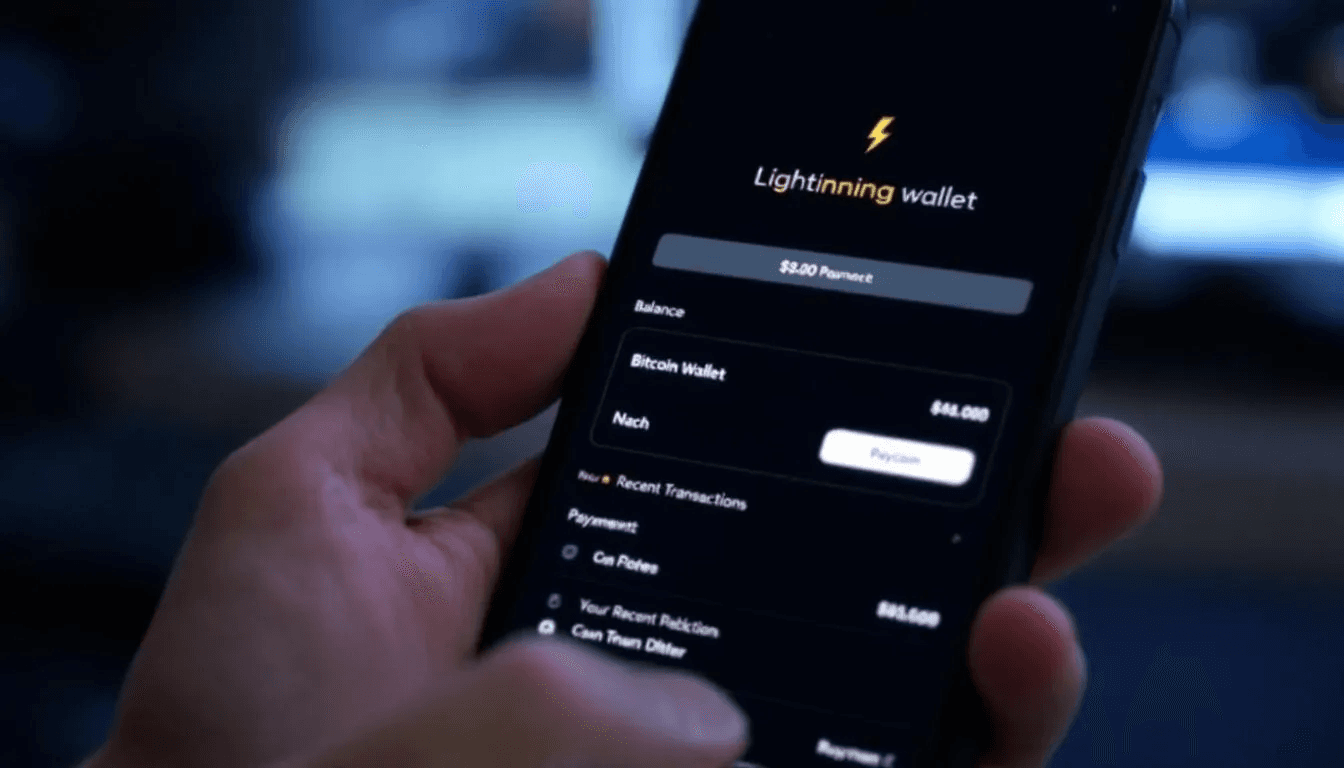
The fastest way to start using the lightning network involves four simple steps that can have you making lightning transactions within minutes. Most users find the initial setup surprisingly straightforward, especially with modern lightning compatible wallet options designed for mainstream adoption.
Download a Lightning-compatible wallet like Strike, Blue Wallet, or Muun from your app store
Your journey begins with selecting the right lightning wallet for your needs. Popular options include Strike for United States users seeking seamless bank integration, Muun for those wanting automatic channel management, and Blue Wallet for users preferring more advanced features. Each wallet offers unique advantages, but all provide the core functionality needed for lightning payments.
Complete identity verification if required by your chosen wallet provider
Many lightning wallets require basic identity verification to comply with financial regulations, particularly custodial wallets that manage private keys on your behalf. This process typically involves providing a phone number, email address, and government-issued identification. The verification usually completes within minutes to hours depending on the provider.
Fund your wallet by transferring Bitcoin from an exchange like Coinbase or Binance
Once your lightning app is set up, you’ll need to add bitcoin to start making payments. Most users transfer bitcoin from established exchanges where they already hold funds. The lightning network’s channel capacity requires sufficient bitcoin balance to facilitate payments, though many wallets now offer automatic channel management to simplify this process.
Start making instant, low-fee Bitcoin transactions within minutes of setup
After funding your wallet, you’re ready to experience the lightning network’s core benefits. Your first lightning invoice might involve purchasing coffee, tipping content creators on social media, or sending money to family members abroad. Each payment demonstrates the dramatic improvement in speed and cost compared to traditional bitcoin transactions.
Choosing the Right Lightning Wallet
Understanding the differences between wallet types helps you select the option that best matches your technical expertise and security preferences. The lightning network supports both custodial solutions for beginners and non custodial wallets for users who prioritize control over their funds.
Overview of custodial vs non-custodial wallet options for different user needs
The fundamental distinction between lightning wallet types centers on who controls your private keys and manages channel liquidity. Custodial wallets handle technical complexities behind the scenes, making them ideal for newcomers who want immediate access to lightning payments without understanding payment channels or network topology.
Non custodial wallets require more user responsibility but offer complete control over your bitcoin and lightning channels. These solutions appeal to experienced bitcoin users who understand the trade-offs between convenience and sovereignty.
Feature | Custodial Wallets | Non-Custodial Wallets |
Setup Complexity | Simple (5 minutes) | Moderate (15-30 minutes) |
Private Key Control | Provider holds keys | User controls keys |
Channel Management | Automatic | Manual/Semi-automatic |
Payment Limits | Higher ($999+ weekly) | Variable by channel capacity |
Recovery Process | Account-based | Seed phrase required |
Fees | Higher (1-2%) | Lower (0.01-0.1%) |
Custodial wallets (Strike, Cash App, Bottlepay) - managed keys, beginner-friendly setup
Custodial solutions excel at removing friction from the lightning network experience. Strike integrates directly with United States bank accounts, allowing instant bitcoin purchases and lightning payments without managing multiple apps. Cash App brings lightning payments to mainstream users through its established mobile banking platform.
These wallets handle channel creation, liquidity management, and technical maintenance automatically. Users can focus on sending and receiving payments without worrying about the underlying lightning network infrastructure.
Non-custodial wallets (Muun, Breez, Phoenix) - full control, advanced users
Non custodial wallets preserve the decentralized ethos of bitcoin while providing lightning network access. Muun offers a unique approach by automatically handling both on chain and lightning transactions through the same interface. Phoenix focuses specifically on lightning payments with sophisticated channel management features.
These solutions require users to secure their seed phrases and understand basic concepts like channel capacity and liquidity. The additional complexity provides complete control over funds and eliminates counterparty risk associated with custodial providers.
Setting Up Custodial Wallets
Custodial lightning wallets prioritize user experience over technical complexity, making them the preferred choice for newcomers to lightning payments. The setup process typically involves downloading an app, completing identity verification, and funding your account through traditional payment methods.
Step-by-step Strike wallet setup process with screenshots
Strike’s onboarding process exemplifies modern lightning wallet design principles. After downloading the app, users create an account using their phone number and complete identity verification by providing a government-issued ID. The app guides users through connecting their bank account for seamless bitcoin purchases and lightning payments.
The verification process usually completes within 24 hours, after which users can immediately start making lightning transactions. Strike’s integration with the broader lightning network means you can send payments to any lightning compatible wallet worldwide.
Cash App Lightning integration and account verification steps
Cash App’s lightning integration leverages their existing user base of millions who already use the platform for traditional banking services. Enabling lightning payments requires navigating to the bitcoin section of the app and activating the lightning feature.
Existing Cash App users can access lightning payments immediately without additional verification. New users must complete the standard Cash App onboarding process, including identity verification and bank account linking.
Bottlepay mobile setup including identity verification requirements
Bottlepay targets European users with a focus on social payments and merchant integration. The setup process involves downloading the app, creating an account with email and phone verification, and completing Know Your Customer (KYC) requirements mandated by European financial regulations.
The platform emphasizes ease of use for splitting bills, tipping, and peer-to-peer payments among friends and family. Bottlepay’s integration with traditional payment methods makes it accessible to users who don’t already hold bitcoin.
Funding methods: bank transfers, Bitcoin deposits, and payment limits
Most custodial wallets support multiple funding methods to accommodate different user preferences. Direct bank transfers offer the most cost-effective approach for purchasing bitcoin and funding lightning payments. Credit and debit card purchases provide immediate access but typically carry higher fees.
Existing bitcoin holders can deposit funds from external wallets through standard bitcoin transactions. These deposits usually require one or more confirmations before becoming available for lightning payments, depending on the wallet’s security policies.
Setting Up Non-Custodial Wallets
Non custodial lightning wallets require more user responsibility but provide complete control over your bitcoin and payment channels. The setup process involves creating secure backups and understanding basic lightning network concepts like channel capacity and liquidity management.
Blue Wallet installation and wallet creation with 12-word seed phrase backup
Blue Wallet offers one of the most comprehensive non custodial lightning implementations available. During setup, users create a new lightning wallet and receive a 12-word seed phrase that provides complete recovery access to their funds.
The wallet creation process emphasizes the critical importance of securely storing the seed phrase. Blue Wallet recommends writing the words on paper and storing them in multiple secure locations, as losing the seed phrase means losing access to your bitcoin permanently.
Muun wallet setup process including PIN creation and recovery options
Muun simplifies non custodial wallet management by automatically handling both on chain and lightning transactions through a unified interface. The setup process involves creating a wallet, setting a PIN for daily access, and backing up recovery information.
Muun’s unique architecture allows users to receive lightning payments even without existing channel capacity by automatically falling back to on chain transactions when necessary. This flexibility makes it ideal for users who want non custodial control without managing channel liquidity manually.
Phoenix wallet channel management and initial funding requirements
Phoenix focuses specifically on lightning payments with sophisticated automated channel management. During setup, users must fund their wallet with sufficient bitcoin to open payment channels with Phoenix’s lightning network nodes.
The wallet automatically handles channel creation, liquidity management, and routing optimization. Users benefit from Phoenix’s well-connected position in the lightning network while maintaining complete control over their private keys and funds.
Critical importance of securely storing seed phrases and recovery information
Non custodial wallets place complete responsibility for fund security on the user. Seed phrases provide the only way to recover access to your bitcoin if your device is lost, stolen, or damaged. Writing these words on paper and storing them securely is essential for protecting your funds.
Many users create multiple copies of their seed phrases and store them in different secure locations like safety deposit boxes or home safes. Digital storage of seed phrases increases vulnerability to hacking and should be avoided unless using specialized hardware security modules.
How to Send Lightning Payments
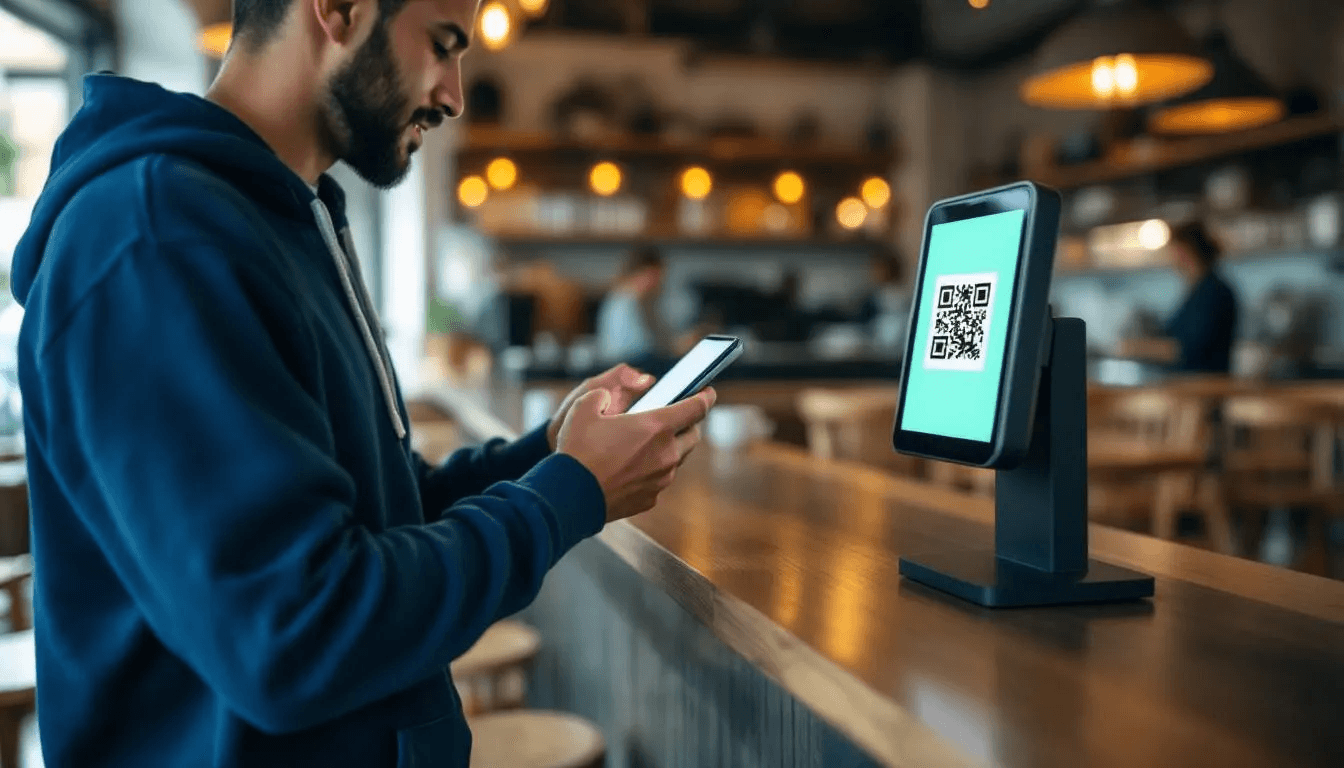
Sending lightning payments combines simplicity with powerful routing capabilities that enable instant transactions anywhere in the world. The process typically involves scanning a QR code or entering payment details, with transactions settling in seconds rather than the minutes or hours required for traditional bitcoin transactions.
Scanning QR codes for Lightning invoices using your wallet’s camera function
Most lightning payments begin with scanning a QR code containing a lightning invoice. These codes embed all necessary payment information including the recipient’s lightning address, payment amount, and optional descriptions. Your wallet’s camera function automatically detects and decodes the payment request when pointed at a valid QR code.
Modern lightning wallets display payment details for user confirmation before processing the transaction. This verification step allows you to review the recipient, amount, and any attached messages to ensure accuracy before authorizing the payment.
Manual entry of Lightning payment requests and amount verification
When QR codes aren’t available, lightning payments support manual entry of payment requests. Lightning invoices appear as long alphanumeric strings beginning with “lnbc” for mainnet payments. Users can copy these payment requests from messaging apps, emails, or websites and paste them into their wallet’s payment interface.
Manual entry requires careful attention to payment amounts and recipient details. Lightning invoices include built-in error checking to prevent typos, but users should always verify payment details before confirming transactions.
Understanding payment routing through Lightning Network channels
Lightning payments travel through a network of interconnected payment channels rather than being broadcast to the entire bitcoin blockchain. Your wallet automatically calculates the optimal route from your channels to the recipient’s channels, potentially passing through several intermediate lightning network nodes.
This routing process happens automatically and usually completes within seconds. The lightning network’s topology ensures multiple potential paths exist between most participants, providing redundancy and reliability even as individual channels open and close.
Confirmation process and transaction completion within 1-3 seconds
Lightning transaction confirmation differs fundamentally from on chain bitcoin transactions. Instead of waiting for miners to include your payment in a block, lightning payments settle instantly when the recipient’s wallet acknowledges receipt.
Most lightning wallets display payment status in real-time, showing when the payment is being routed and when it completes successfully. Failed payments are refunded automatically without fees, making lightning transactions safer than traditional payment methods.
How to Receive Lightning Payments
Receiving lightning payments requires generating payment requests that specify the amount and destination for incoming funds. The lightning network’s invoice system ensures secure payment routing while providing flexibility for various use cases from one-time purchases to recurring payments.
Generating Lightning invoices with specific amounts up to $999 per week limit
Creating lightning invoices involves specifying the payment amount and any optional descriptions or metadata. Most lightning wallets support invoices ranging from single satoshis up to the maximum channel capacity available. Many custodial wallets impose weekly limits around $999 to comply with financial regulations.
The invoice generation process creates a unique payment request valid for a specific amount and time period. Each invoice can only be paid once, preventing double-spending and ensuring payment security.
Creating QR codes for easy payment sharing via messaging apps
Lightning wallets automatically generate QR codes for each payment request, making it easy to share invoices through messaging apps, email, or social media. These QR codes encode the complete payment information needed for senders to complete transactions instantly.
QR code sharing works particularly well for in-person transactions like retail purchases or bill splitting among friends. The visual format eliminates typing errors and simplifies the payment process for both parties.
Setting expiration times (typically 72 hours) for payment requests
Lightning invoices include expiration times that automatically invalidate unused payment requests after a specified period. Most wallets default to 72-hour expiration windows, providing sufficient time for recipients to complete payments while preventing indefinite exposure of payment requests.
Expiration times serve both security and practical purposes. They prevent old payment requests from being fulfilled accidentally and help maintain clean invoice histories within lightning wallets.
Receiving instant notifications when payments are completed
Modern lightning wallets provide immediate notifications when payments are received, often faster than the sender’s confirmation. These notifications typically include payment amounts, sender information (when available), and any attached messages or descriptions.
Instant notifications enable real-time confirmation for merchant transactions and personal payments. Unlike traditional payment systems that may take hours or days to confirm receipt, lightning payments provide immediate certainty for both parties.
Practical Lightning Network Use Cases
The lightning network transforms bitcoin from an investment vehicle into practical money for everyday transactions. Real-world adoption demonstrates the network’s capability to support everything from micropayments to significant remittances with unmatched speed and efficiency.
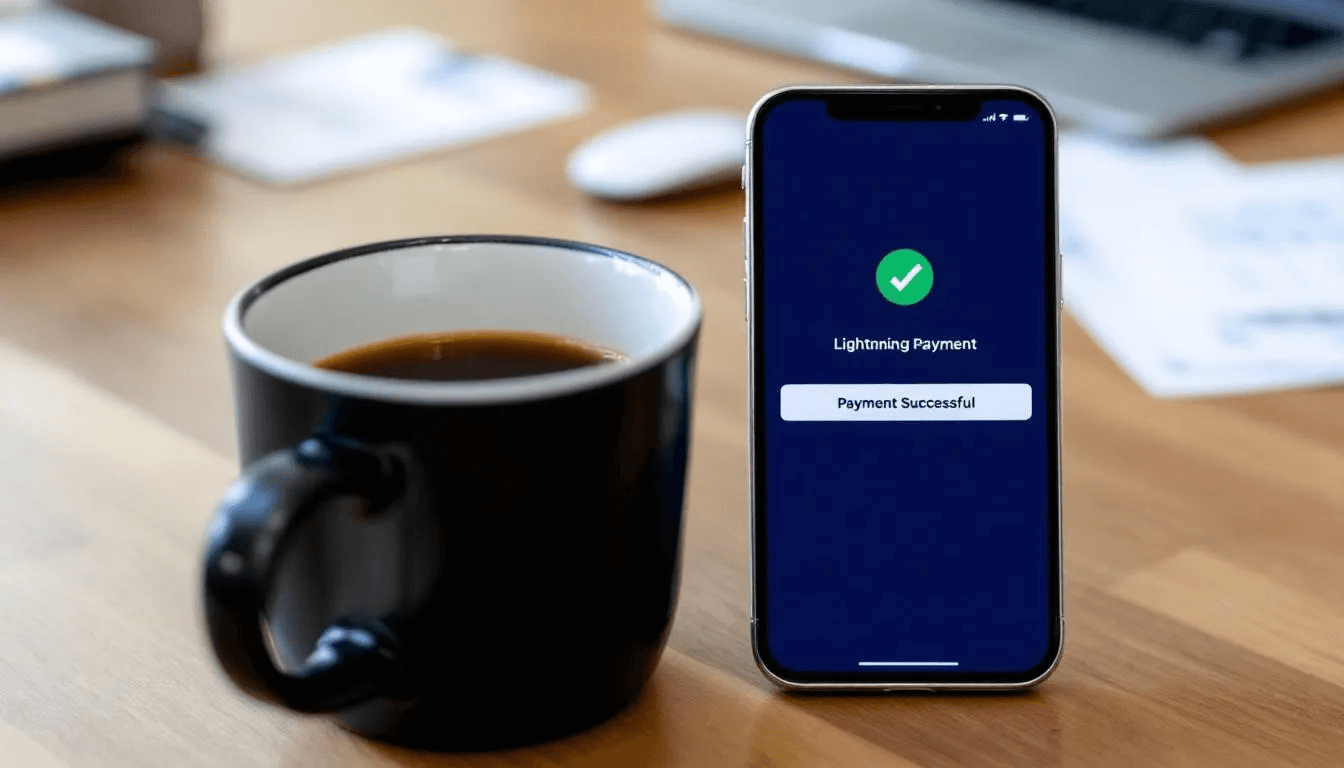
Buying coffee and small items with sub-penny transaction fees
Coffee shops represent one of the most successful lightning network adoption stories, with chains across the United States, Europe, and El Salvador accepting lightning payments for daily purchases. The ability to buy a $3 coffee with a $0.001 fee makes small transactions economically viable for the first time in bitcoin’s history.
These retail implementations demonstrate lightning’s potential to compete directly with credit cards and mobile payment apps. Customers enjoy instant settlement without worrying about chargebacks, while merchants benefit from lower processing fees and immediate access to funds.
Tipping content creators on Twitter through Strike integration
Social media tipping represents a growing use case enabled by lightning’s microtransaction capabilities. Platforms like Twitter integrate with Strike to enable instant bitcoin tips for content creators worldwide. Users can tip amounts as small as $0.01 without economically prohibitive fees.
This functionality creates new monetization opportunities for content creators while demonstrating lightning’s potential for supporting creator economies. The global reach of lightning payments enables cross-border tipping without traditional banking restrictions.
Cross-border remittances using El Salvador’s Chivo wallet
El Salvador’s adoption of bitcoin as legal tender showcases lightning’s potential for international remittances. The Chivo wallet enables millions of users to receive lightning payments from family members abroad, avoiding traditional remittance fees that can exceed 10% of the transfer amount.
Remittance use cases highlight lightning’s ability to provide financial services to underbanked populations. Recipients can convert lightning payments to local currency or use them directly for purchases at thousands of bitcoin-accepting merchants throughout the country.
Shopping on Lightning-enabled merchants like Bitrefill for gift cards
Gift card platforms like Bitrefill demonstrate lightning’s utility for expanding spending options. Users can purchase gift cards for major retailers using lightning payments, effectively enabling bitcoin spending at thousands of merchants who don’t directly accept cryptocurrency.
These services bridge the gap between lightning network adoption and traditional retail infrastructure. Users benefit from instant gift card delivery and merchants avoid cryptocurrency volatility while still benefiting from lightning’s low fees and fast settlement.
Understanding Transaction Limits and Fees
Lightning network economics differ significantly from traditional bitcoin transactions, offering dramatically lower fees while imposing practical limits based on channel capacity and regulatory requirements. Understanding these constraints helps users optimize their lightning network usage.
Lightning Network payment limits: $999 per 7-day rolling period on most wallets
Most lightning wallets implement weekly payment limits to comply with financial regulations and manage risk exposure. The common $999 limit applies to a rolling 7-day period, automatically resetting as older transactions age out of the calculation window.
These limits affect custodial wallets more than non custodial solutions, where limits are determined by channel capacity rather than regulatory requirements. Users requiring higher payment volumes may need to use multiple wallets or migrate to non custodial solutions with manually managed channels.
Fee structure: 1 satoshi base fee plus 0.01% of transaction amount
Lightning network fees consist of a small base fee (typically 1 satoshi) plus a percentage of the payment amount. This structure makes small payments extremely cost-effective while scaling reasonably for larger transactions. A $100 lightning payment might cost $0.01 in routing fees.
Fee calculations include payments to lightning network nodes that route transactions between sender and recipient. Well-connected wallets often find lower-cost routes, while payments requiring long routing paths may incur slightly higher fees.
Comparison with on-chain Bitcoin fees ranging from $1-50 depending on network congestion
The fee differential between lightning and on chain transactions becomes dramatic during periods of bitcoin network congestion. While on chain transaction fees can reach $50 or more during peak usage, lightning payments maintain consistent sub-cent fees regardless of broader network conditions.
Transaction Type | Average Fee | Settlement Time | Best Use Case |
Lightning Payment | $0.001-0.01 | 1-3 seconds | Small daily payments |
On-chain Bitcoin | $1-50 | 10-60 minutes | Large transfers, savings |
Wire Transfer | $15-50 | 1-3 business days | Traditional banking |
Credit Card | 2-3% of amount | Instant | Merchant payments |
When payments automatically switch to on-chain if Lightning limits exceeded
Some lightning wallets automatically fall back to on chain transactions when lightning payments exceed channel capacity or network limits. This functionality ensures payment reliability while educating users about the practical boundaries of different payment methods.
Automatic fallback typically occurs for payments exceeding individual channel capacity or when lightning routing fails repeatedly. Users receive notifications about the payment method switch and associated fee differences before confirming transactions.
Common Issues and Troubleshooting
Lightning network adoption continues growing rapidly, but users occasionally encounter technical issues that require basic troubleshooting knowledge. Understanding common problems and their solutions helps maintain smooth payment experiences.
Expired QR codes requiring new payment request generation
Lightning invoices expire after predetermined time periods, typically 24-72 hours, to maintain security and prevent accidental payments. Attempting to pay expired invoices results in failed transactions that require generating fresh payment requests.
When encountering expired payment requests, contact the recipient to generate a new invoice with current timestamp and routing information. Most modern wallets clearly indicate expiration status and provide easy invoice regeneration functionality.
Payment routing failures when insufficient liquidity in channels
Lightning payments can fail when payment channels lack sufficient bitcoin balance in the correct direction. These liquidity constraints reflect the network’s current capacity limitations and typically resolve as channels rebalance through regular transaction flow.
Failed payments due to routing issues are automatically refunded without fees. Users can try payments again after a few minutes or attempt smaller amounts that require less channel capacity to route successfully.
Channel capacity management for larger payments
Large lightning payments may exceed individual channel capacity, requiring payment splitting across multiple channels or falling back to on chain transactions. Understanding these limitations helps users plan payment strategies appropriate for different transaction sizes.
Non custodial wallet users can manage channel capacity by opening additional channels or using channel rebalancing tools. Custodial wallets typically handle these optimizations automatically but may impose payment size limits to maintain service reliability.
Backup and recovery procedures if wallet access is lost
Lightning wallet recovery depends on the wallet type and backup method used during setup. Non custodial wallets require seed phrase access to restore funds, while custodial wallets typically support account recovery through email or phone verification.
Regular backup verification ensures recovery procedures work correctly before they’re needed. Test recovery processes on small amounts to verify seed phrase accuracy and understand the complete restoration workflow.
Advanced Lightning Network Usage
Power users can extend lightning network capabilities through node operation, direct channel management, and merchant integration. These advanced features require technical expertise but provide maximum control over lightning network participation.
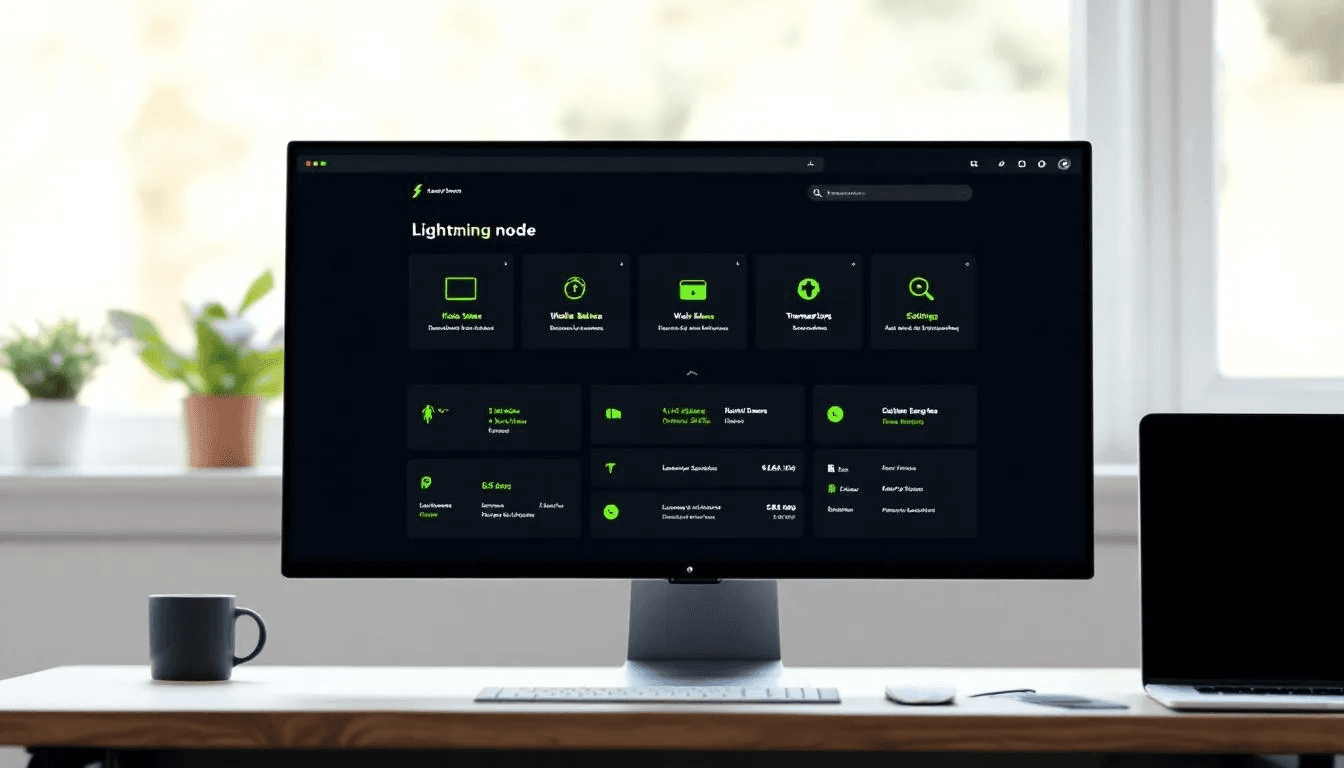
Running your own Lightning node using LND or c-lightning software
Operating a personal lightning node provides complete control over payment routing and channel management while contributing to the network’s decentralization. Popular implementations like LND and c-lightning offer different feature sets and management interfaces for various technical skill levels.
Node operation requires reliable internet connectivity, adequate hardware resources, and ongoing maintenance to ensure optimal performance. Operators benefit from earning routing fees, enhanced privacy, and direct control over lightning network participation.
Opening direct payment channels with frequently used contacts
Direct payment channels eliminate routing uncertainty and fees for frequent payment partners. Business relationships, family members, or regular trading partners can benefit from dedicated channels that provide guaranteed payment capacity.
Channel opening requires on chain transactions that lock bitcoin into the lightning channel. Both parties must coordinate channel parameters including capacity, fee policies, and closing procedures to ensure optimal channel performance.
Channel rebalancing to optimize payment routing capabilities
Channel rebalancing involves moving bitcoin between channels to optimize payment routing in both directions. Effective rebalancing improves payment success rates while potentially earning routing fees from third-party payments passing through your channels.
Rebalancing strategies include circular payments, submarine swaps, and coordinated channel management with other network participants. These techniques require understanding lightning network topology and economic incentives driving payment routing.
Integration with point-of-sale systems for merchant applications
Merchant lightning integration requires connecting payment processing systems with lightning wallets or payment processors. Solutions range from simple QR code generation to sophisticated point-of-sale terminals with automatic payment confirmation.
BTCPay Server provides open-source merchant payment processing with lightning network integration, while commercial solutions offer hosted services with traditional business interfaces. Merchant adoption drives lightning network utility while demonstrating bitcoin’s practical payment capabilities.
The lightning network represents bitcoin’s evolution from digital gold into practical money capable of supporting global commerce. Understanding how to use this technology effectively opens new possibilities for fast, low-cost payments while participating in the future of decentralized finance.
Whether you’re starting with a simple custodial wallet or planning advanced node operation, the lightning network provides tools for every experience level. The key is beginning with small transactions to understand the technology’s capabilities and limitations before advancing to more sophisticated use cases.
As lightning network infrastructure continues maturing, early adopters benefit from experiencing the technology that may define the next decade of bitcoin adoption. Start with downloading a lightning compatible wallet today and discover why millions of users worldwide are choosing lightning payments for their daily bitcoin transactions.