" height="31.469717497114758px" id="eCOXNpv5s" transform="translate(0 8.53)" width="32.43161611406683px"/><path d="M 6.851 1.35 C 6.851 4.361 4.335 6.803 1.23 6.803 L 0 6.803 L 0 5.452 C 0 2.442 2.515 0 5.62 0 L 6.85 0 L 6.85 1.35 Z" fill="rgb(255, 87, 20)" height="6.8031511867128245px" id="yGyYVDzJf" transform="translate(16.216 0)" width="6.851178904096614px"/><path d="M 59.255 11.828 C 59.12 11.828 59.053 11.758 59.053 11.615 L 59.053 0.426 C 59.053 0.285 59.12 0.214 59.255 0.214 L 66.26 0.214 C 66.394 0.214 66.46 0.284 66.46 0.427 L 66.46 1.881 C 66.46 2.022 66.394 2.093 66.26 2.093 L 61.248 2.093 L 61.248 5.054 L 65.821 5.054 C 65.955 5.054 66.022 5.125 66.022 5.268 L 66.022 6.633 C 66.022 6.774 65.955 6.845 65.821 6.845 L 61.248 6.845 L 61.248 9.948 L 66.26 9.948 C 66.394 9.948 66.46 10.019 66.46 10.161 L 66.46 11.616 C 66.46 11.757 66.394 11.828 66.26 11.828 Z M 51.202 12.04 C 50.313 12.04 49.532 11.874 48.861 11.544 C 48.203 11.213 47.662 10.694 47.307 10.054 C 46.942 9.403 46.758 8.606 46.758 7.66 L 46.758 4.38 C 46.758 2.962 47.184 1.88 48.038 1.135 C 48.904 0.378 50.087 0 51.587 0 C 52.661 0 53.563 0.166 54.294 0.497 C 55.037 0.828 55.581 1.289 55.922 1.88 C 56.276 2.459 56.398 3.127 56.287 3.884 C 56.276 4.024 56.202 4.097 56.068 4.097 L 54.295 4.078 C 54.148 4.078 54.081 4.008 54.092 3.866 C 54.117 3.44 54.038 3.079 53.855 2.784 C 53.684 2.477 53.416 2.246 53.05 2.092 C 52.685 1.939 52.215 1.862 51.641 1.862 C 50.751 1.862 50.08 2.074 49.629 2.5 C 49.178 2.914 48.953 3.559 48.953 4.433 L 48.953 7.607 C 48.953 8.494 49.172 9.143 49.612 9.558 C 50.062 9.971 50.727 10.178 51.605 10.178 C 52.459 10.178 53.111 9.989 53.562 9.611 C 54.014 9.22 54.239 8.659 54.239 7.926 L 54.239 7.359 L 51.77 7.359 C 51.623 7.359 51.55 7.288 51.55 7.146 L 51.55 5.958 C 51.55 5.828 51.623 5.762 51.77 5.762 L 56.123 5.762 C 56.257 5.762 56.325 5.828 56.325 5.958 L 56.325 9.22 C 56.325 9.622 56.331 10.031 56.343 10.444 C 56.367 10.858 56.41 11.242 56.471 11.597 C 56.495 11.667 56.483 11.728 56.434 11.774 C 56.395 11.81 56.342 11.829 56.288 11.827 L 54.86 11.827 C 54.809 11.83 54.758 11.817 54.714 11.792 C 54.674 11.751 54.643 11.703 54.623 11.65 C 54.594 11.479 54.569 11.308 54.549 11.136 L 54.512 10.55 L 54.476 10.55 C 54.265 10.862 53.998 11.132 53.69 11.348 C 53.364 11.583 52.998 11.757 52.61 11.863 C 52.151 11.986 51.677 12.046 51.201 12.04 Z M 34.943 11.828 C 34.809 11.828 34.742 11.758 34.742 11.615 L 34.742 0.426 C 34.742 0.285 34.809 0.214 34.943 0.214 L 37.541 0.214 C 37.662 0.214 37.748 0.261 37.797 0.355 L 40.741 6.119 C 40.949 6.508 41.138 6.886 41.309 7.253 C 41.63 7.897 41.923 8.553 42.187 9.222 L 42.241 9.222 C 42.217 8.903 42.199 8.559 42.186 8.193 L 42.15 7.059 L 42.15 0.427 C 42.15 0.285 42.217 0.214 42.352 0.214 L 44.071 0.214 C 44.217 0.214 44.29 0.284 44.29 0.427 L 44.29 11.616 C 44.29 11.757 44.217 11.828 44.071 11.828 L 41.509 11.828 C 41.388 11.828 41.303 11.781 41.254 11.686 L 38.4 6.119 C 38.215 5.759 38.032 5.399 37.852 5.037 C 37.683 4.664 37.513 4.291 37.34 3.92 C 37.189 3.57 37.036 3.222 36.882 2.873 L 36.827 2.873 L 36.864 3.99 C 36.876 4.369 36.882 4.747 36.882 5.125 L 36.882 11.615 C 36.882 11.757 36.809 11.828 36.663 11.828 Z M 22.818 11.828 C 22.659 11.828 22.598 11.752 22.635 11.597 L 26.586 0.373 C 26.622 0.267 26.701 0.213 26.823 0.213 L 29.164 0.213 C 29.299 0.213 29.384 0.267 29.421 0.373 L 33.389 11.597 C 33.439 11.752 33.383 11.828 33.225 11.828 L 31.286 11.828 C 31.165 11.828 31.085 11.775 31.048 11.668 L 28.689 4.381 C 28.567 3.99 28.446 3.607 28.324 3.228 L 27.994 2.057 L 27.957 2.057 C 27.848 2.436 27.732 2.82 27.609 3.21 C 27.5 3.589 27.384 3.967 27.262 4.344 L 24.958 11.65 C 24.921 11.769 24.837 11.828 24.702 11.828 L 22.817 11.828 Z M 25.323 9.399 L 25.744 7.661 L 30.189 7.661 L 30.628 9.399 Z M 12.919 11.828 C 12.784 11.828 12.717 11.758 12.717 11.615 L 12.717 0.426 C 12.717 0.285 12.784 0.214 12.919 0.214 L 16.76 0.214 C 18.333 0.214 19.479 0.509 20.199 1.1 C 20.918 1.68 21.278 2.531 21.278 3.654 C 21.278 4.47 21.083 5.161 20.692 5.728 C 20.314 6.284 19.748 6.668 18.992 6.881 L 18.992 6.917 L 21.936 11.58 C 21.986 11.65 21.992 11.711 21.954 11.757 C 21.93 11.805 21.875 11.828 21.79 11.828 L 19.76 11.828 C 19.655 11.831 19.556 11.777 19.504 11.686 L 16.742 7.201 L 14.912 7.201 L 14.912 11.616 C 14.912 11.757 14.839 11.828 14.694 11.828 Z M 14.912 5.516 L 16.669 5.516 C 17.51 5.516 18.119 5.374 18.497 5.09 C 18.887 4.806 19.083 4.351 19.083 3.725 C 19.083 3.11 18.906 2.672 18.553 2.413 C 18.198 2.152 17.601 2.022 16.759 2.022 L 14.912 2.022 L 14.912 5.515 Z M 5.412 12.04 C 3.804 12.04 2.596 11.668 1.791 10.923 C 0.986 10.166 0.585 9.084 0.585 7.678 L 0.585 4.362 C 0.585 2.943 0.986 1.862 1.791 1.117 C 2.596 0.372 3.804 0 5.413 0 C 7.01 0 8.211 0.372 9.016 1.117 C 9.821 1.862 10.223 2.943 10.223 4.362 L 10.223 7.678 C 10.223 9.084 9.821 10.167 9.017 10.923 C 8.211 11.667 7.01 12.04 5.413 12.04 Z M 5.412 10.178 C 6.279 10.178 6.931 9.959 7.37 9.522 C 7.809 9.073 8.029 8.423 8.029 7.572 L 8.029 4.469 C 8.029 3.618 7.809 2.974 7.37 2.536 C 6.931 2.086 6.279 1.862 5.413 1.862 C 4.546 1.862 3.889 2.086 3.437 2.536 C 2.999 2.974 2.778 3.618 2.778 4.469 L 2.778 7.572 C 2.778 8.423 2.999 9.073 3.437 9.522 C 3.889 9.959 4.548 10.178 5.413 10.178 Z M 59.488 25.96 C 59.38 25.96 59.326 25.905 59.326 25.796 L 59.326 15.351 C 59.326 15.241 59.38 15.187 59.488 15.187 L 61.849 15.187 C 63.197 15.187 64.205 15.565 64.874 16.321 C 65.542 17.068 65.877 18.203 65.877 19.726 L 65.877 21.026 C 65.877 22.682 65.548 23.921 64.891 24.743 C 64.233 25.555 63.235 25.96 61.898 25.96 Z M 60.863 24.545 L 61.8 24.545 C 62.674 24.545 63.316 24.266 63.726 23.707 C 64.136 23.148 64.34 22.27 64.34 21.075 L 64.34 19.677 C 64.34 18.635 64.136 17.862 63.726 17.359 C 63.316 16.854 62.664 16.601 61.768 16.601 L 60.863 16.601 L 60.863 24.546 Z M 50.762 25.96 C 50.664 25.96 50.616 25.905 50.616 25.796 L 50.616 15.351 C 50.616 15.241 50.664 15.187 50.762 15.187 L 53.285 15.187 C 54.396 15.187 55.215 15.439 55.743 15.944 C 56.272 16.447 56.535 17.215 56.535 18.246 C 56.535 19.036 56.396 19.677 56.115 20.171 C 55.858 20.644 55.44 21.011 54.935 21.207 L 54.935 21.223 L 56.972 25.746 C 57.037 25.889 57 25.96 56.86 25.96 L 55.468 25.96 C 55.393 25.96 55.338 25.922 55.306 25.845 L 53.398 21.486 L 52.154 21.486 L 52.154 25.796 C 52.154 25.906 52.105 25.96 52.008 25.96 L 50.763 25.96 Z M 52.153 20.154 L 53.253 20.154 C 53.867 20.154 54.309 20.006 54.578 19.71 C 54.848 19.414 54.984 18.953 54.984 18.328 C 54.984 17.692 54.848 17.242 54.578 16.979 C 54.309 16.716 53.878 16.585 53.285 16.585 L 52.153 16.585 Z M 41.428 25.96 C 41.32 25.96 41.282 25.9 41.315 25.78 L 43.983 15.318 C 44.006 15.231 44.064 15.187 44.162 15.187 L 45.828 15.187 C 45.914 15.187 45.973 15.231 46.005 15.317 L 48.706 25.78 C 48.727 25.9 48.685 25.96 48.577 25.96 L 47.202 25.96 C 47.137 25.96 47.084 25.916 47.04 25.829 L 45.455 18.92 C 45.369 18.56 45.289 18.198 45.213 17.835 C 45.138 17.473 45.062 17.106 44.987 16.732 L 44.954 16.732 C 44.889 17.106 44.819 17.473 44.743 17.835 C 44.668 18.187 44.592 18.548 44.517 18.92 L 42.932 25.829 C 42.911 25.916 42.851 25.96 42.754 25.96 Z M 43.207 23.526 L 43.482 22.178 L 46.458 22.178 L 46.765 23.526 L 43.208 23.526 Z M 33.5 25.96 C 33.391 25.96 33.338 25.905 33.338 25.796 L 33.338 15.351 C 33.338 15.241 33.391 15.187 33.5 15.187 L 35.861 15.187 C 37.209 15.187 38.217 15.565 38.886 16.321 C 39.554 17.068 39.889 18.203 39.889 19.726 L 39.889 21.026 C 39.889 22.682 39.559 23.921 38.902 24.743 C 38.244 25.555 37.247 25.96 35.909 25.96 Z M 34.874 24.545 L 35.813 24.545 C 36.686 24.545 37.328 24.266 37.737 23.707 C 38.147 23.148 38.351 22.27 38.351 21.075 L 38.351 19.677 C 38.351 18.635 38.147 17.862 37.737 17.359 C 37.328 16.854 36.675 16.601 35.78 16.601 L 34.874 16.601 L 34.874 24.546 Z M 24.031 25.96 C 23.934 25.96 23.885 25.905 23.885 25.796 L 23.885 15.351 C 23.885 15.241 23.934 15.187 24.031 15.187 L 25.858 15.187 C 25.955 15.187 26.015 15.225 26.036 15.301 L 28.091 21.059 C 28.209 21.366 28.322 21.695 28.43 22.045 C 28.549 22.397 28.656 22.737 28.755 23.066 C 28.862 23.383 28.947 23.679 29.012 23.953 L 29.061 23.953 C 29.037 23.619 29.015 23.284 28.996 22.949 L 28.964 21.832 L 28.964 15.351 C 28.964 15.241 29.012 15.187 29.109 15.187 L 30.306 15.187 C 30.404 15.187 30.452 15.241 30.452 15.351 L 30.452 25.796 C 30.452 25.906 30.404 25.96 30.306 25.96 L 28.495 25.96 C 28.419 25.96 28.36 25.922 28.317 25.845 L 26.311 20.253 C 26.121 19.736 25.943 19.215 25.778 18.69 C 25.638 18.201 25.492 17.713 25.341 17.226 L 25.309 17.226 C 25.319 17.544 25.325 17.901 25.325 18.296 L 25.357 19.447 C 25.368 19.83 25.374 20.193 25.374 20.532 L 25.374 25.796 C 25.374 25.906 25.325 25.96 25.228 25.96 Z M 14.698 25.96 C 14.589 25.96 14.552 25.9 14.584 25.78 L 17.253 15.318 C 17.274 15.231 17.334 15.187 17.431 15.187 L 19.097 15.187 C 19.183 15.187 19.242 15.231 19.275 15.317 L 21.975 25.78 C 21.998 25.9 21.954 25.96 21.847 25.96 L 20.471 25.96 C 20.407 25.96 20.353 25.916 20.309 25.829 L 18.724 18.92 C 18.639 18.56 18.558 18.198 18.482 17.835 C 18.407 17.473 18.331 17.106 18.256 16.732 L 18.224 16.732 C 18.159 17.106 18.089 17.473 18.013 17.835 C 17.938 18.187 17.862 18.548 17.787 18.92 L 16.202 25.829 C 16.18 25.916 16.121 25.96 16.023 25.96 Z M 16.476 23.526 L 16.752 22.178 L 19.728 22.178 L 20.035 23.526 L 16.477 23.526 Z M 10.267 25.96 C 10.17 25.96 10.122 25.905 10.122 25.796 L 10.122 16.619 L 7.97 16.619 C 7.874 16.619 7.825 16.559 7.825 16.438 L 7.825 15.353 C 7.825 15.242 7.874 15.188 7.97 15.188 L 13.81 15.188 C 13.906 15.188 13.955 15.242 13.955 15.353 L 13.955 16.437 C 13.955 16.558 13.906 16.618 13.81 16.618 L 11.658 16.618 L 11.658 25.797 C 11.658 25.907 11.609 25.961 11.512 25.961 L 10.267 25.961 Z M 2.948 26.093 C 1.848 26.093 1.061 25.807 0.587 25.237 C 0.123 24.667 -0.066 23.91 0.02 22.967 C 0.03 22.814 0.085 22.737 0.182 22.737 L 1.378 22.737 C 1.487 22.737 1.54 22.814 1.54 22.968 C 1.498 23.548 1.6 23.987 1.848 24.282 C 2.107 24.568 2.495 24.711 3.013 24.711 C 3.52 24.711 3.892 24.595 4.128 24.365 C 4.366 24.135 4.485 23.773 4.485 23.28 C 4.485 23.027 4.452 22.802 4.387 22.605 C 4.32 22.403 4.209 22.218 4.063 22.062 C 3.897 21.877 3.7 21.721 3.481 21.602 L 1.751 20.566 C 1.169 20.204 0.743 19.803 0.473 19.365 C 0.215 18.915 0.09 18.367 0.101 17.72 C 0.111 16.854 0.355 16.195 0.829 15.746 C 1.314 15.285 2.015 15.055 2.932 15.055 C 3.946 15.055 4.706 15.324 5.212 15.861 C 5.729 16.387 5.945 17.134 5.859 18.099 C 5.838 18.263 5.784 18.345 5.697 18.345 L 4.469 18.345 C 4.361 18.345 4.317 18.263 4.34 18.098 C 4.383 17.582 4.281 17.183 4.033 16.898 C 3.796 16.602 3.44 16.453 2.965 16.453 C 2.545 16.453 2.222 16.558 1.995 16.766 C 1.769 16.963 1.655 17.27 1.655 17.687 C 1.645 18.071 1.72 18.389 1.881 18.64 C 2.043 18.882 2.313 19.112 2.69 19.333 L 4.372 20.351 C 4.782 20.592 5.105 20.851 5.343 21.124 C 5.59 21.388 5.769 21.695 5.876 22.046 C 5.985 22.385 6.038 22.797 6.038 23.28 C 6.038 24.168 5.79 24.858 5.294 25.352 C 4.798 25.846 4.016 26.092 2.949 26.092 Z" fill="rgb(23, 23, 23)" height="26.09262957451628px" id="G_jsIAzLG" transform="translate(40.54 11.039)" width="66.46047841033874px"/></g></svg>)
" height="31.469717497114758px" id="nxleYtm6x" transform="translate(1 8.53)" width="32.43161611406683px"/><path d="M 6.851 1.35 C 6.851 4.361 4.335 6.803 1.23 6.803 L 0 6.803 L 0 5.452 C 0 2.442 2.515 0 5.62 0 L 6.85 0 L 6.85 1.35 Z" fill="rgb(255, 87, 20)" height="6.8031511867128245px" id="ZZ56pTyUM" transform="translate(17.216 0)" width="6.851178904096614px"/></svg>)
While Bitcoin revolutionized digital money, its 7 transactions per second limit made everyday payments impractical. High fees and slow confirmation times meant buying coffee with bitcoin often cost more in transaction fees than the coffee itself. Enter the Lightning Network - a revolutionary layer-2 solution that transforms Bitcoin into a lightning-fast payment system capable of processing millions of transactions per second.
This comprehensive guide explores how the lightning network works, why it was created, and how it’s reshaping Bitcoin’s future as a global payment system. Whether you’re considering using Lightning for payments or simply want to understand this groundbreaking technology, you’ll discover everything from technical mechanics to real-world applications.
What is the Lightning Network?
The Lightning Network is a layer-2 payment protocol built on top of the Bitcoin blockchain that enables instant, low-cost Bitcoin transactions. Think of it as an express lane for Bitcoin payments - while the main bitcoin blockchain handles final settlement, the lightning network processes transactions off-chain through payment channels, dramatically reducing congestion and costs.
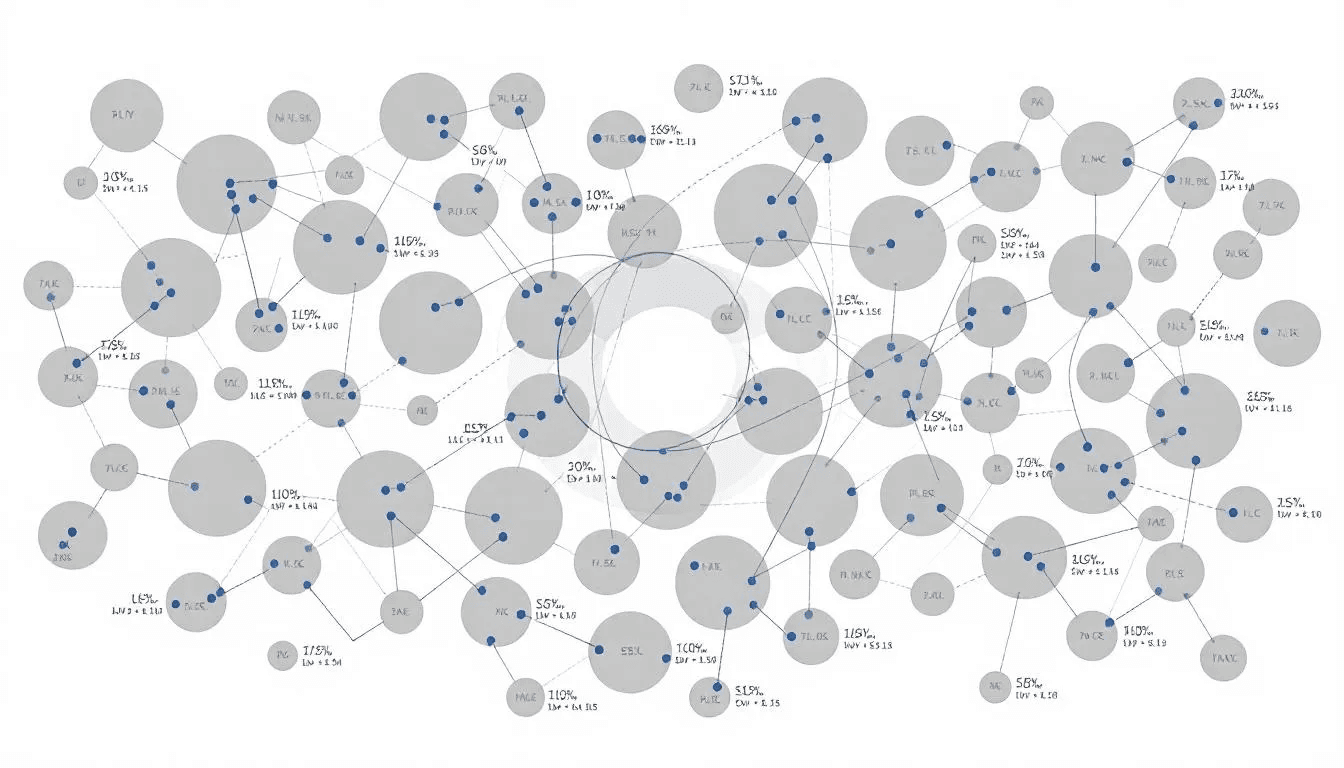
Launched in 2018 after being proposed by Joseph Poon and Thaddeus Dryja in 2016, the bitcoin lightning network has grown exponentially. As of 2024, the network has over 5,300 BTC in capacity across more than 43,000 payment channels with 11,500+ active nodes worldwide.
The lightning network functions like an express highway system for bitcoin transactions. While Bitcoin’s base layer can only process 7 transactions per second, the Lightning Network enables Bitcoin to process millions of transactions per second. This massive scalability improvement makes bitcoin practical for everyday purchases, from buying coffee to streaming micropayments for content.
Key statistics that demonstrate the lightning network’s growth:
Metric | 2021 | 2024 |
Total Capacity | 1,000 BTC | 5,300+ BTC |
Payment Channels | 15,000 | 43,000+ |
Active Nodes | 3,000 | 11,500+ |
Average Channel Size | 0.067 BTC | 0.123 BTC |
The network’s rapid expansion reflects growing demand for faster and cheaper transactions that maintain Bitcoin’s security guarantees while enabling new use cases impossible with traditional on chain transactions.
How the Lightning Network Works
The lightning network operates through a sophisticated two-layer system that maintains Bitcoin’s security while dramatically improving transaction speed and reducing costs. Understanding how the lightning network works requires examining its core components: payment channels and the routing network.
The system functions by moving transactions from Bitcoin’s main chain to lightning network’s off-chain environment. When parties want to transact frequently, they create bidirectional payment channels that allow unlimited transactions between them. When they’re finished transacting, the final balances are settled back to the bitcoin blockchain in a single on chain transaction.
Payment Channels
Payment channels form the foundation of how the lightning network works. Two parties open a bidirectional payment channel by depositing bitcoin into a 2-of-2 multisignature address on the bitcoin blockchain. This smart contracts-based approach ensures both participants must agree to any changes.
Here’s the step-by-step process:
Channel Opening: Both parties fund a shared multisig address with their desired channel capacity
Off Chain Transactions: Participants can send unlimited lightning network transactions within the channel instantly
Balance Updates: Each transaction updates the internal balance between parties using commitment transactions
Channel Closing: Final balances are settled to the main blockchain when the channel closes
Both parties can send unlimited transactions within the channel instantly without waiting for blockchain confirmation. These off chain transactions are tracked privately between participants using commitment transactions and time-locked smart contracts that prevent fraud. Only the channel opening and closing transactions are recorded on Bitcoin’s main blockchain, dramatically reducing network capacity requirements.
The security model relies on penalty mechanisms - if one party attempts to broadcast an outdated channel state, the other party can claim all funds in the channel. This economic incentive ensures honest behavior throughout the channel’s lifetime.
Routing Network
Users can send payments to anyone on the network even without direct payment channels through multi-hop routing. This creates a decentralized network where payments flow through interconnected channels, similar to how internet packets route through multiple servers to reach their destination.
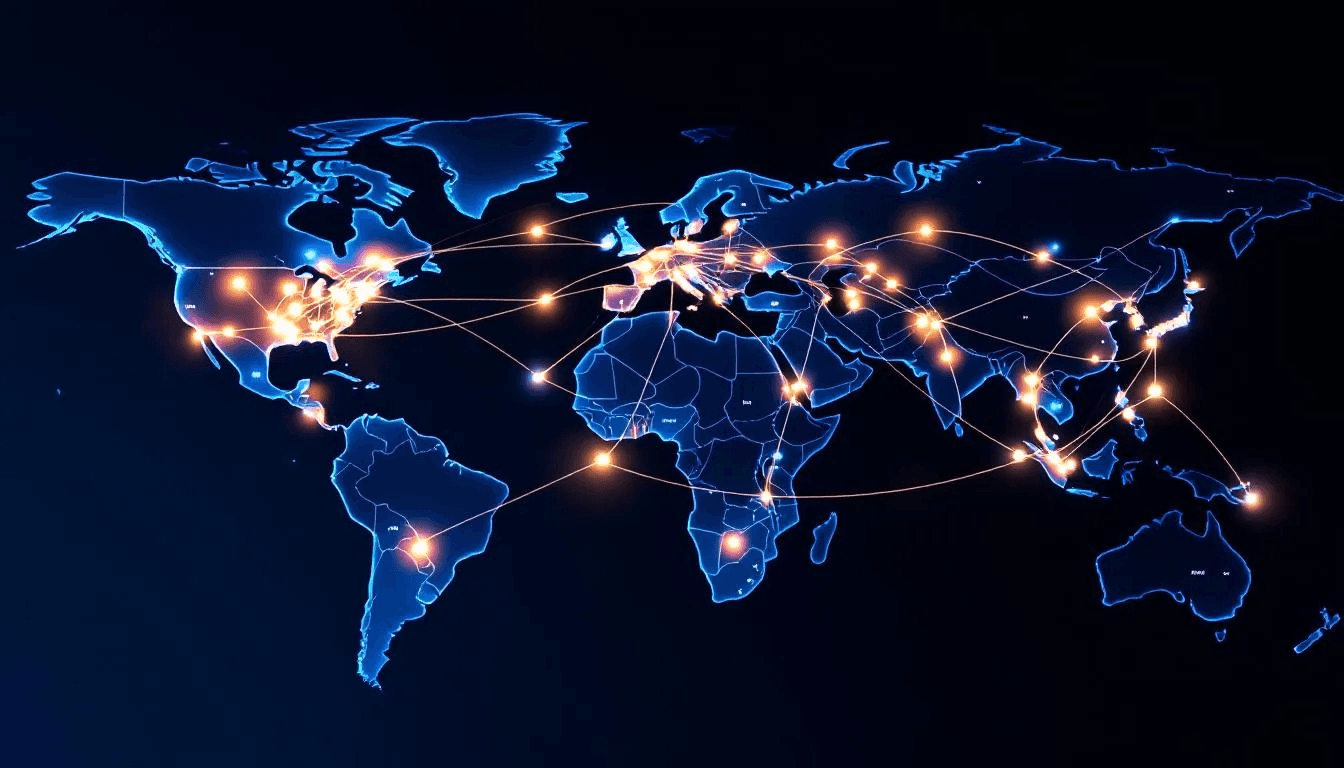
Payments are routed through interconnected channels using onion routing for privacy, similar to the Tor network. This means intermediate routing nodes cannot see the payment’s origin or final destination - they only know they’re forwarding a payment from one channel to another.
Routing nodes earn small fees (typically 1-100 satoshis) for forwarding payments through their channels. This creates economic incentives for users to maintain well-funded channels that improve network liquidity. The routing system is entirely automated - users simply specify the destination and amount, and their lightning compatible wallet finds the optimal route.
Hash Time-Locked Contracts (HTLCs) ensure atomic payments across multiple routing hops. These smart contracts guarantee that either the entire payment succeeds across all routing nodes or fails completely, preventing partial payments that could result in lost funds. This cryptographic guarantee enables trustless peer to peer payments through unknown intermediaries.
Why the Lightning Network Was Created
Bitcoin’s original design limited the network to processing 3-7 transactions per second with 10-minute confirmation times. While this conservative approach ensured security and decentralization, it created significant barriers for everyday use as a payment system.
Transaction fees on bitcoin reached over $50 during peak congestion periods in 2017 and 2021, making small purchases economically impossible. A $3 coffee purchase requiring a $20 transaction fee obviously doesn’t work for routine commerce. These high fees and slow confirmation times prevented bitcoin from competing with traditional payment processors.
The lightning network was developed to make bitcoin practical for everyday payments and microtransactions under $1. By moving the majority of transactions off chain while maintaining bitcoin’s security guarantees for final settlement, Lightning solves the scalability challenge without compromising bitcoin’s core properties.
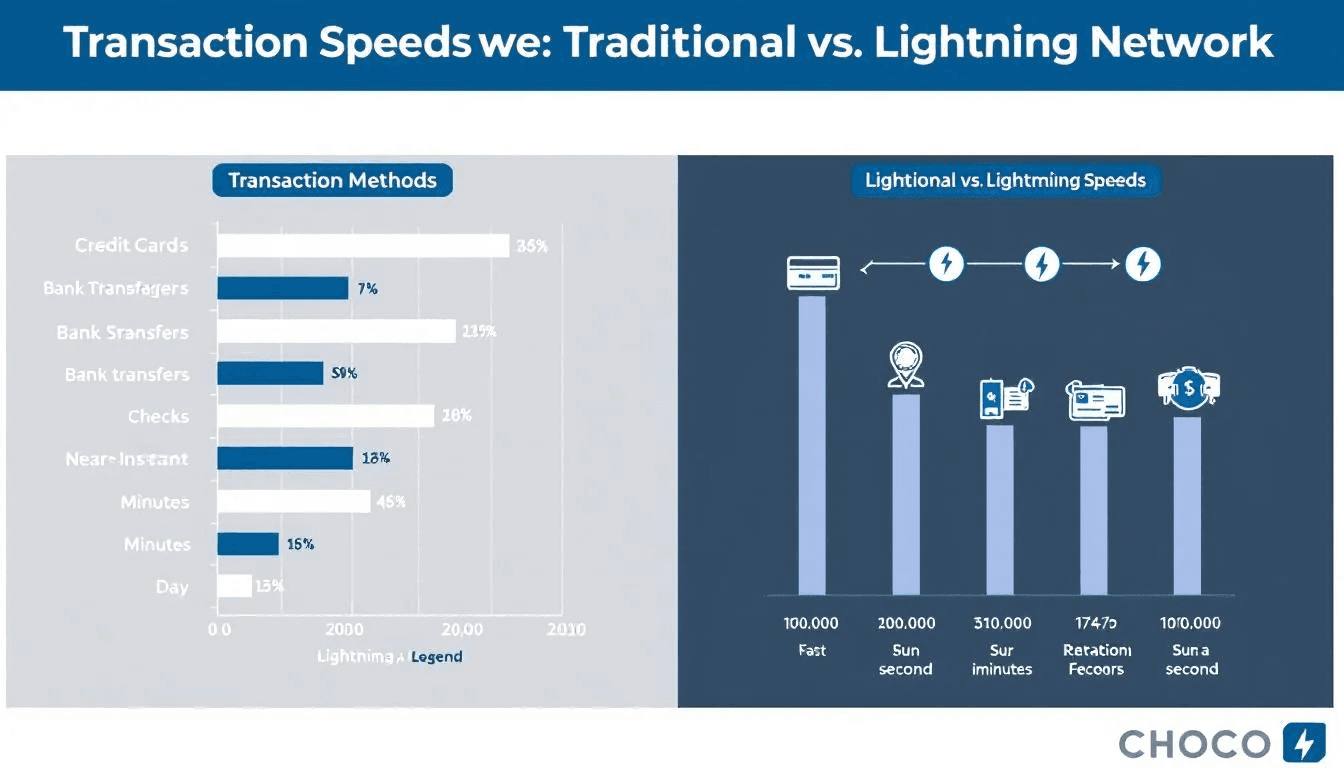
The solution addresses the blockchain trilemma - the challenge of achieving scalability, security, and decentralization simultaneously. Traditional blockchains typically sacrifice one property to optimize the others. The lightning network maintains bitcoin’s security and decentralization while achieving massive scalability improvements through its layer-2 architecture.
Lightning enables bitcoin to compete with traditional payment processors like Visa (65,000 TPS) and PayPal for daily transactions. This scalability breakthrough opens new possibilities for bitcoin adoption, from instant retail payments to streaming micropayments for digital content.
The network also enables cross border payments that settle in seconds rather than days, with transaction costs typically under $0.01 compared to traditional remittance services that often charge 10% or more. This dramatic cost reduction makes bitcoin practical for global payments, especially in underserved markets where traditional banking infrastructure is limited.
Key Benefits and Advantages
The lightning network delivers transformative improvements across multiple dimensions that make bitcoin practical for everyday use. These advantages address the primary limitations that previously prevented bitcoin from functioning as a global payment system.
Transaction Speed Revolution Lightning transactions settle in under 1 second compared to 10-60 minutes for on chain bitcoin transactions. This near-instant settlement enables real-time commerce scenarios that were impossible with traditional bitcoin payments. Users can buy coffee, pay for parking, or tip content creators with the same speed they expect from credit cards or mobile payment apps.
Dramatic Cost Reduction Transaction fees typically range from 1-1000 satoshis (less than $0.01) versus $1-50+ for on chain bitcoin transactions. This cost structure makes micropayments economically viable for the first time. Content creators can receive tips as small as a few cents, and businesses can accept small payments without worrying about fees exceeding the transaction amount.
Payment Type | Lightning Network | Bitcoin On-Chain | Traditional Cards |
Speed | <1 second | 10-60 minutes | 2-3 seconds |
Fees | <$0.01 | $1-50+ | 2-4% of amount |
Final Settlement | Instant | 6 confirmations | 1-3 business days |
Global Access | 24/7 | 24/7 | Business hours vary |
Enhanced Privacy Protection Off chain transactions aren’t recorded on the public bitcoin blockchain, providing enhanced privacy for routine payments. While bitcoin transactions are pseudonymous, the lightning network’s routing system adds additional privacy layers. Intermediate routing nodes cannot determine payment origins, destinations, or amounts being transferred through their channels.
Micropayment Revolution Lightning enables micropayments and streaming payments impossible with traditional payment systems due to fee structures. Content platforms can charge per article read, musicians can receive real-time streaming payments, and IoT devices can make machine-to-machine payments. This opens entirely new business models based on granular value exchange.
Global 24/7 Operation The network operates continuously without banking hours or weekend restrictions, supporting global commerce across all time zones. Unlike traditional payment systems that may require days to settle international transfers, lightning payments settle instantly regardless of geographic boundaries. This enables new possibilities for international trade and peer to peer payments.
Programmable Payment Features Smart contracts enable advanced payment features like automatic recurring payments, conditional transactions, and multi-signature arrangements. Businesses can set up subscription billing, escrow services, and complex payment workflows that execute automatically based on predefined conditions.
These benefits combine to make bitcoin competitive with traditional payment processors while maintaining the decentralized, censorship-resistant properties that make bitcoin valuable. The result is a payment system that offers the best of both worlds - bitcoin’s monetary properties with the speed and convenience users expect from modern payment systems.
Real-World Use Cases and Applications
The lightning network has evolved from experimental technology to practical payment infrastructure supporting diverse applications across multiple industries. Current adoption demonstrates how lightning payments enable new business models and improve existing payment workflows.
Major platforms and companies currently using the lightning network include Strike (integrated with Twitter/X for bitcoin tips), Cash App (50+ million users with Lightning support), and Chivo wallet (El Salvador’s national bitcoin wallet). These integrations provide lightning access to millions of users worldwide.
Statistics show remarkable adoption growth:
Lightning transaction volume increased 400% year-over-year in 2023
Over 100,000 merchants accept lightning payments globally
Daily active users on major Lightning wallets exceeded 1 million in 2024
Cross-border remittance volume through Lightning grew 800% in 2023
Microtransactions and Tips
Content creators and digital platforms leverage lightning’s low cost transactions for innovative monetization models. Twitter/X integrated lightning payments through Strike app for instant bitcoin tips to content creators, enabling fans to send small amounts (even a few cents) to support their favorite accounts without significant fees eating into the tip amount.
Podcast platforms like Fountain and Breez enable listeners to stream satoshis to podcasters based on listening time, creating direct value-for-value exchanges. Listeners can automatically send micropayments while consuming content, with payments flowing in real-time rather than monthly subscription models.

Gaming platforms use lightning for in-game purchases, rewards, and player-to-player transactions. Games can implement play-to-earn mechanics where players receive bitcoin for achievements, and gambling platforms enable instant deposits and withdrawals without traditional banking delays.
Content platforms enable pay-per-article or pay-per-view models with sub-cent pricing. News websites can charge a few satoshis per article rather than requiring monthly subscriptions, lowering barriers to content access while providing direct revenue to publishers.
Cross-Border Payments
El Salvador’s Chivo wallet uses lightning for instant remittances, reducing costs from 10%+ (typical for traditional remittance services) to under 1%. This dramatic cost reduction means more money reaches recipients, particularly important for families depending on international transfers.
Companies like Bitfinex and Paxful integrated lightning to enable fast international bitcoin transfers. Users can deposit bitcoin via lightning, trade on the platform, and withdraw instantly to lightning wallets anywhere in the world. This creates arbitrage opportunities and improves liquidity across global markets.
Remittance corridors between US-Mexico and other countries see significant cost savings versus Western Union and similar services. A $100 transfer that might cost $10-15 through traditional services can be sent via lightning for under $0.01, with recipients getting funds in seconds rather than hours or days.
Businesses use lightning for supplier payments and international invoice settlements within minutes. Import/export companies can pay suppliers globally without waiting for traditional banking systems, improving cash flow and reducing counterparty risk.
Merchant Payments
Over 100,000 merchants accept lightning payments through processors like Strike, OpenNode, and BTCPay Server. These payment processors provide easy integration options for businesses wanting to accept bitcoin without managing technical complexity.
McDonald’s in Lugano, Switzerland and various coffee shops globally accept lightning bitcoin payments, demonstrating mainstream retail adoption. Customers can pay for food and beverages with lightning wallets faster than traditional card payments, while merchants receive settlement without chargebacks or fraud risk.
E-commerce platforms integrated lightning for digital goods, subscriptions, and instant checkout experiences. Digital products like software licenses, e-books, and online courses can be purchased instantly without waiting for payment confirmation, improving user experience and reducing cart abandonment.
Point-of-sale systems from companies like CoinCorner and Zebedee enable retail bitcoin payments with familiar card-like interfaces. Merchants can accept lightning payments using tablet-based POS systems that generate QR codes for customer scanning, making bitcoin payments as simple as existing mobile payment apps.
The network’s growth across these use cases demonstrates how lightning network transactions enable practical bitcoin adoption beyond speculative trading. As more businesses integrate lightning payments, users gain access to bitcoin-based commerce that rivals traditional payment systems in speed and convenience while offering superior settlement finality and global reach.
Security Considerations and Risks
The lightning network employs a different security model compared to bitcoin’s main blockchain, creating trade-offs between convenience and security that users should understand. While lightning maintains strong cryptographic guarantees, it introduces new risk vectors that don’t exist with on chain transactions.
Lightning’s security relies on economic incentives and cryptographic contracts rather than global consensus. This approach enables instant transactions but requires users to understand and manage new types of risks. The network’s security has proven robust in practice, but users should evaluate these considerations based on their specific needs.
Channel and Routing Risks
Force-close scenarios present one of lightning’s primary operational risks. When a channel partner becomes unresponsive, users may need to force-close the channel, which can lock funds for days or weeks while time-lock contracts expire. During high bitcoin network congestion, these delays can extend further as users compete for blockchain space.
Routing failures may require multiple payment attempts or higher fees during network congestion. Large payments face higher failure rates because they require sufficient liquidity across the entire routing path. This means users might need to split large payments into smaller amounts or wait for better routing conditions.
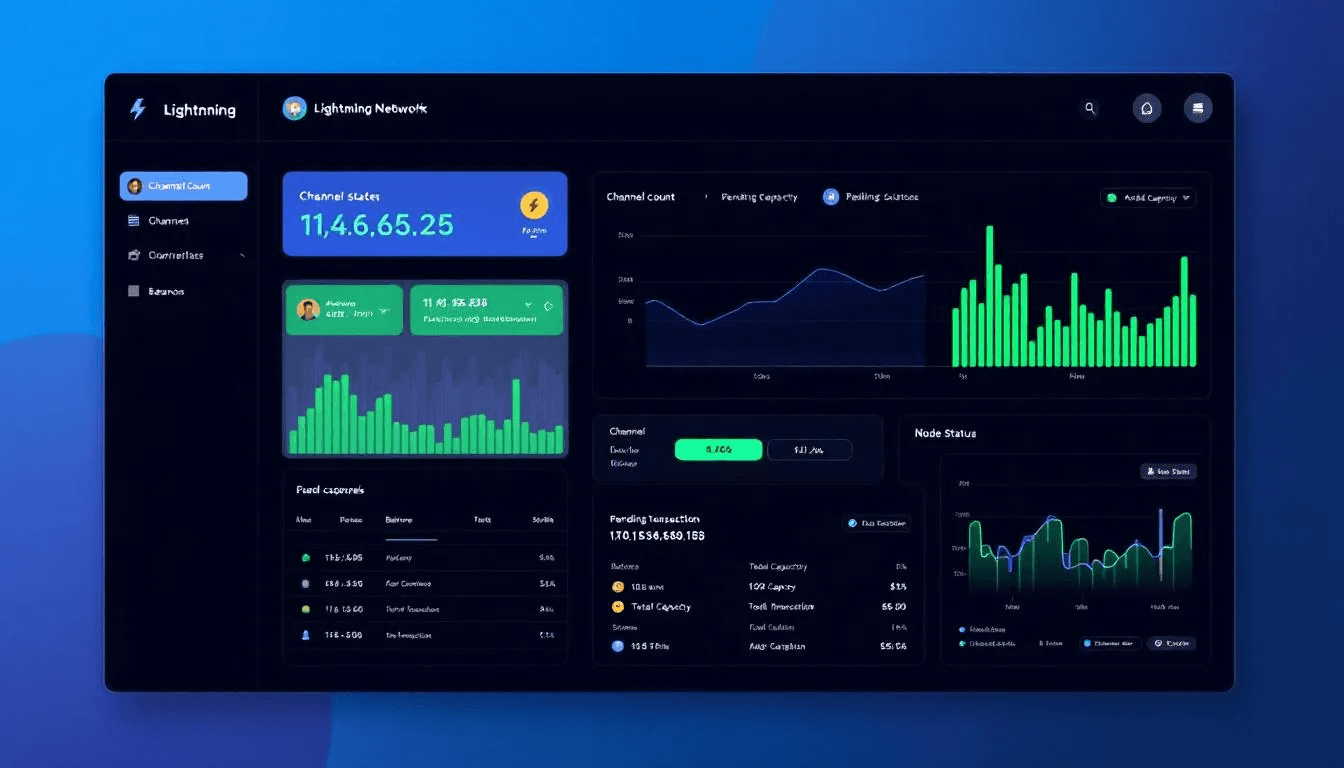
Liquidity management challenges require users to maintain adequate channel balances for receiving payments. Unlike bitcoin addresses that can receive unlimited amounts, lightning channels have finite capacity. Users must actively manage their channels to maintain the ability to receive payments, especially for merchant use cases.
Watchtower services are needed to monitor channels and prevent fraud attempts by malicious counterparties. Since lightning channels require periodic monitoring to prevent old state broadcasts, users who cannot maintain constant connectivity rely on watchtower services. These services introduce third-party trust assumptions that don’t exist with standard bitcoin transactions.
Network-Level Attacks
Flood and loot attacks attempt to congest channels and exploit time-lock vulnerabilities. Attackers could theoretically attempt to simultaneously force-close many channels during high bitcoin network congestion, potentially preventing legitimate users from claiming their funds before time-locks expire. While these attacks remain theoretical and expensive to execute, they represent ongoing research areas.
Eclipse attacks that isolate lightning nodes from the broader bitcoin network could prevent users from broadcasting time-critical transactions. If an attacker controls a user’s internet connection, they might prevent the user from responding to fraudulent channel closes within the required time window.
Mass exit scenarios where simultaneous channel closures could overwhelm bitcoin’s blockchain capacity represent a systemic risk. If a significant portion of lightning users attempted to close channels simultaneously, bitcoin’s limited transaction capacity might prevent timely settlements. This scenario becomes less likely as lightning adoption grows and users maintain channels for longer periods.
Centralization risks emerge as large lightning service providers become critical points of failure. While lightning’s design is decentralized, practical usage patterns may concentrate around large hubs for liquidity and routing efficiency. This could create systemically important nodes whose failure affects network connectivity.
Risk Mitigation Strategies:
Use reputable lightning wallets with active development and security audits
Diversify channel partners to avoid single points of failure
Maintain backup channels for critical payment flows
Monitor channel states regularly or use trusted watchtower services
Keep only working capital in lightning channels, not long-term savings
Understand force-close procedures and associated time delays
The lightning network’s security model requires users to be more active participants compared to simply holding bitcoin on-chain. However, for appropriate use cases and amounts, lightning provides excellent security while enabling instant payments. Users should evaluate these trade-offs against their specific needs and risk tolerance.
Getting Started with Lightning Network
Getting started with the lightning network involves choosing between custodial and non-custodial options based on your technical comfort level and security preferences. Each approach offers different trade-offs between convenience and control that suit different user needs.
Custodial vs Non-Custodial Decision
Custodial lightning wallets handle all technical complexity for you, similar to traditional banking apps. The service provider manages channels, liquidity, and routing while you simply send and receive payments. This approach offers maximum convenience but requires trusting the service provider with your bitcoin.
Non-custodial wallets give you full control over your bitcoin and channels but require more technical knowledge. You’ll need to manage channel liquidity, monitor for fraud attempts, and understand how payment routing works. This approach maximizes security and privacy but requires more active management.
Recommended Wallet Options
For Beginners (Custodial Options)
Strike offers the simplest onboarding experience with instant lightning payments and the ability to buy bitcoin directly within the app. Strike integrates with traditional banking, allowing users to send dollars that automatically convert to bitcoin for lightning payments. Setup takes minutes and requires only email verification.
Cash App provides lightning functionality for its 50+ million users through a familiar interface. Users can enable bitcoin features within their existing Cash App account and send lightning payments through QR codes or lightning addresses. This option works well for users already using Cash App for traditional payments.
Blue Wallet offers a beginner-friendly interface with both custodial lightning and standard bitcoin wallet features. Users can start with custodial lightning for simplicity and later upgrade to non-custodial options as they gain experience. The app provides excellent educational resources and transparent fee structures.
For Advanced Users (Non-Custodial Options)
Phoenix by ACINQ provides automatic channel management while maintaining non-custodial control. The wallet automatically opens channels and manages liquidity using submarine swaps, giving users the security of self-custody with simplified operations. Phoenix requires slightly higher fees but eliminates most manual channel management.
Breez offers a comprehensive lightning experience with integrated podcasting features and merchant tools. The app provides automatic channel backup, point-of-sale functionality, and podcast streaming payments. Breez works well for content creators and merchants accepting lightning payments.
Muun takes a unique approach by enabling both bitcoin and lightning payments through the same interface. The wallet uses submarine swaps to provide seamless transactions whether recipients use lightning or standard bitcoin addresses. This flexibility makes Muun ideal for users who frequently interact with both types of wallets.
Setup and Funding Process
Initial Setup Steps:
Download your chosen wallet from official app stores
Complete identity verification if required (custodial wallets)
Secure your wallet with strong passwords and two-factor authentication
Back up seed phrases securely for non-custodial wallets
Start with small amounts to test functionality
Funding Your Lightning Wallet:
Buy bitcoin directly within the wallet (Strike, Cash App)
Transfer bitcoin from exchanges that support lightning withdrawals
Use submarine swaps to convert on-chain bitcoin to lightning capacity
Receive lightning payments from other users or services
Opening Your First Channels (Non-Custodial):
Research well-connected nodes with good uptime and reasonable fees
Start with channels between 1-5 million satoshis (0.01-0.05 BTC)
Open channels to different node operators for routing diversity
Monitor channel balance distribution to maintain payment flexibility
Common Troubleshooting Tips
Payment Failures:
Retry payments with smaller amounts if large payments fail
Check channel liquidity and rebalance if needed
Wait for better network conditions during high congestion
Verify the recipient’s lightning address or invoice is correct
Channel Management Issues:
Monitor inbound and outbound liquidity regularly
Use submarine swaps or loop services to rebalance channels
Close underperforming channels and open new ones to better-connected nodes
Set appropriate channel fees to attract routing traffic
Connection Problems:
Verify internet connectivity and wallet synchronization
Check if your internet provider blocks Tor (used by some lightning wallets)
Try connecting through different network connections
Update wallet software to the latest version
The key to lightning network success is starting small and gradually building experience. Begin with custodial solutions to understand lightning payments, then consider non-custodial options as you become more comfortable with the technology. Remember that lightning works best for frequent, smaller payments rather than large, infrequent transfers.
Current Network Statistics and Future Outlook
The lightning network has experienced explosive growth since its mainnet launch, evolving from experimental technology to critical bitcoin infrastructure. Current statistics demonstrate accelerating adoption across both retail users and institutional services, with network capacity and transaction volume reaching new milestones consistently.
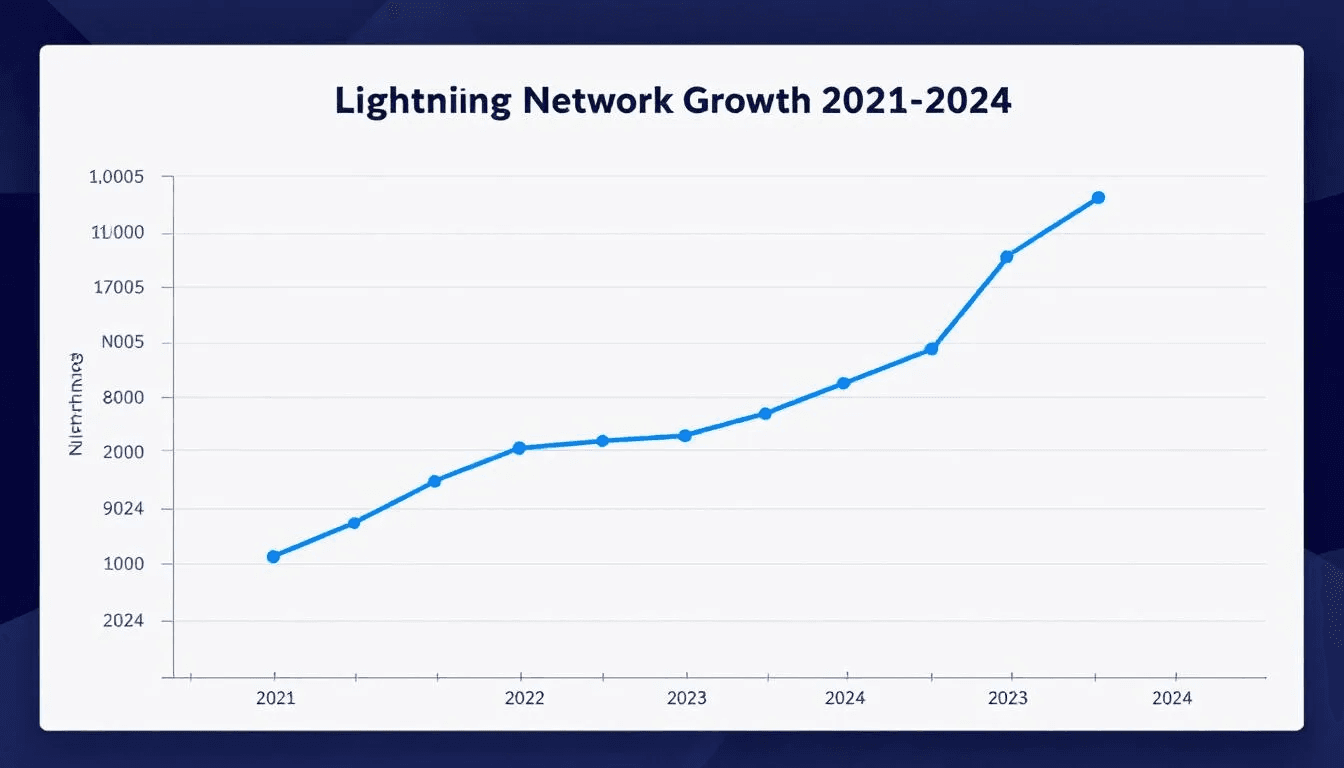
Lightning network capacity grew from 1,000 BTC in 2021 to over 5,300 BTC by late 2024, representing more than $300 million in total network capacity. This growth reflects increasing confidence in lightning’s security model and growing demand for instant bitcoin payments across diverse use cases.
Network Growth Metrics:
Metric | 2021 | 2022 | 2023 | 2024 |
Total Capacity | 1,000 BTC | 3,500 BTC | 4,800 BTC | 5,300+ BTC |
Public Channels | 15,000 | 28,000 | 35,000 | 43,000+ |
Network Nodes | 3,000 | 7,500 | 10,000 | 11,500+ |
Monthly Payments | 500K | 2M | 8M | 15M+ |
Major exchanges like Coinbase, Kraken, and Binance added lightning support for faster bitcoin deposits and withdrawals, eliminating the traditional wait times associated with blockchain confirmations. This institutional adoption signals lightning’s maturation from experimental technology to production-ready payment infrastructure.
Integration with traditional finance accelerated through companies like Cash App (50+ million users) and Chivo wallet, bringing lightning payments to mainstream audiences. These integrations abstract technical complexity while providing users with bitcoin’s monetary properties and lightning’s payment speed.
Recent Development Highlights:
Multi-part payments enable splitting large transactions across multiple routes automatically
Anchor outputs improve security by allowing dynamic fee adjustment during channel closes
Dual-funded channels allow both parties to contribute funds during channel opening
Watchtower improvements provide better fraud protection for mobile users
Channel jamming solutions reduce the impact of malicious routing attacks
Ongoing development focuses on improving user experience and removing technical barriers to adoption. Key areas include:
Liquidity Service Providers (LSPs) offer automated channel management and liquidity provision, making lightning accessible to users without technical expertise. These services handle the complexity of channel operations while maintaining non-custodial security models.
Lightning addresses provide email-like identifiers (user@domain.com) that simplify sending payments without requiring invoice generation. This innovation makes lightning payments as easy as traditional payment apps while maintaining decentralized operation.
Submarine swaps enable seamless movement between on-chain bitcoin and lightning capacity, allowing users to access lightning payments without understanding channel mechanics. These services automatically manage the technical details while providing transparent pricing.
Regulatory Developments
Regulatory clarity continues improving as governments recognize lightning’s role in bitcoin adoption. El Salvador’s bitcoin legal tender law specifically mentions lightning infrastructure, while other jurisdictions develop frameworks for lightning service providers. Clear regulations reduce compliance uncertainty and enable traditional financial institutions to integrate lightning services.
Future Growth Projections
Industry analysts project continued exponential growth driven by:
Merchant adoption for instant settlement and lower fees
Remittance use cases in developing markets
Integration with central bank digital currencies (CBDCs)
IoT and machine-to-machine payment applications
Gaming and virtual world economies
Institutional adoption is expected to accelerate as major payment processors and financial institutions integrate lightning capabilities. Companies exploring lightning integration include traditional payment networks, fintech startups, and multinational corporations seeking efficient cross-border payment solutions.
Technical improvements in development include:
Eltoo channel updates for improved security and flexibility
Taproot integration for enhanced privacy and efficiency
Cross-chain atomic swaps with other cryptocurrencies
Improved routing algorithms for higher payment success rates
Better mobile wallet experiences with background channel monitoring
The lightning network’s trajectory suggests continued growth and mainstream adoption throughout 2025 and beyond. As technical improvements address current limitations and regulatory frameworks provide clarity, lightning payments are positioned to become standard infrastructure for global bitcoin commerce.
Network effects accelerate adoption as more users and merchants join the ecosystem. Each new participant increases the network’s value for existing users by improving liquidity and routing options. This positive feedback loop creates strong incentives for continued growth and development.
Looking ahead, the lightning network represents bitcoin’s transformation from digital gold to practical global currency. While challenges remain around user experience and liquidity management, ongoing development and increasing adoption suggest lightning will play a central role in bitcoin’s future as a global payment system.
For users considering lightning adoption, the technology has matured significantly since its early experimental phase. Current tools provide reliable payment experiences for appropriate use cases, while continued development promises even better user experiences in the coming years. As always, users should conduct their own research and start with small amounts to gain familiarity with lightning’s unique characteristics and capabilities.