" height="31.469717497114758px" id="eCOXNpv5s" transform="translate(0 8.53)" width="32.43161611406683px"/><path d="M 6.851 1.35 C 6.851 4.361 4.335 6.803 1.23 6.803 L 0 6.803 L 0 5.452 C 0 2.442 2.515 0 5.62 0 L 6.85 0 L 6.85 1.35 Z" fill="rgb(255, 87, 20)" height="6.8031511867128245px" id="yGyYVDzJf" transform="translate(16.216 0)" width="6.851178904096614px"/><path d="M 59.255 11.828 C 59.12 11.828 59.053 11.758 59.053 11.615 L 59.053 0.426 C 59.053 0.285 59.12 0.214 59.255 0.214 L 66.26 0.214 C 66.394 0.214 66.46 0.284 66.46 0.427 L 66.46 1.881 C 66.46 2.022 66.394 2.093 66.26 2.093 L 61.248 2.093 L 61.248 5.054 L 65.821 5.054 C 65.955 5.054 66.022 5.125 66.022 5.268 L 66.022 6.633 C 66.022 6.774 65.955 6.845 65.821 6.845 L 61.248 6.845 L 61.248 9.948 L 66.26 9.948 C 66.394 9.948 66.46 10.019 66.46 10.161 L 66.46 11.616 C 66.46 11.757 66.394 11.828 66.26 11.828 Z M 51.202 12.04 C 50.313 12.04 49.532 11.874 48.861 11.544 C 48.203 11.213 47.662 10.694 47.307 10.054 C 46.942 9.403 46.758 8.606 46.758 7.66 L 46.758 4.38 C 46.758 2.962 47.184 1.88 48.038 1.135 C 48.904 0.378 50.087 0 51.587 0 C 52.661 0 53.563 0.166 54.294 0.497 C 55.037 0.828 55.581 1.289 55.922 1.88 C 56.276 2.459 56.398 3.127 56.287 3.884 C 56.276 4.024 56.202 4.097 56.068 4.097 L 54.295 4.078 C 54.148 4.078 54.081 4.008 54.092 3.866 C 54.117 3.44 54.038 3.079 53.855 2.784 C 53.684 2.477 53.416 2.246 53.05 2.092 C 52.685 1.939 52.215 1.862 51.641 1.862 C 50.751 1.862 50.08 2.074 49.629 2.5 C 49.178 2.914 48.953 3.559 48.953 4.433 L 48.953 7.607 C 48.953 8.494 49.172 9.143 49.612 9.558 C 50.062 9.971 50.727 10.178 51.605 10.178 C 52.459 10.178 53.111 9.989 53.562 9.611 C 54.014 9.22 54.239 8.659 54.239 7.926 L 54.239 7.359 L 51.77 7.359 C 51.623 7.359 51.55 7.288 51.55 7.146 L 51.55 5.958 C 51.55 5.828 51.623 5.762 51.77 5.762 L 56.123 5.762 C 56.257 5.762 56.325 5.828 56.325 5.958 L 56.325 9.22 C 56.325 9.622 56.331 10.031 56.343 10.444 C 56.367 10.858 56.41 11.242 56.471 11.597 C 56.495 11.667 56.483 11.728 56.434 11.774 C 56.395 11.81 56.342 11.829 56.288 11.827 L 54.86 11.827 C 54.809 11.83 54.758 11.817 54.714 11.792 C 54.674 11.751 54.643 11.703 54.623 11.65 C 54.594 11.479 54.569 11.308 54.549 11.136 L 54.512 10.55 L 54.476 10.55 C 54.265 10.862 53.998 11.132 53.69 11.348 C 53.364 11.583 52.998 11.757 52.61 11.863 C 52.151 11.986 51.677 12.046 51.201 12.04 Z M 34.943 11.828 C 34.809 11.828 34.742 11.758 34.742 11.615 L 34.742 0.426 C 34.742 0.285 34.809 0.214 34.943 0.214 L 37.541 0.214 C 37.662 0.214 37.748 0.261 37.797 0.355 L 40.741 6.119 C 40.949 6.508 41.138 6.886 41.309 7.253 C 41.63 7.897 41.923 8.553 42.187 9.222 L 42.241 9.222 C 42.217 8.903 42.199 8.559 42.186 8.193 L 42.15 7.059 L 42.15 0.427 C 42.15 0.285 42.217 0.214 42.352 0.214 L 44.071 0.214 C 44.217 0.214 44.29 0.284 44.29 0.427 L 44.29 11.616 C 44.29 11.757 44.217 11.828 44.071 11.828 L 41.509 11.828 C 41.388 11.828 41.303 11.781 41.254 11.686 L 38.4 6.119 C 38.215 5.759 38.032 5.399 37.852 5.037 C 37.683 4.664 37.513 4.291 37.34 3.92 C 37.189 3.57 37.036 3.222 36.882 2.873 L 36.827 2.873 L 36.864 3.99 C 36.876 4.369 36.882 4.747 36.882 5.125 L 36.882 11.615 C 36.882 11.757 36.809 11.828 36.663 11.828 Z M 22.818 11.828 C 22.659 11.828 22.598 11.752 22.635 11.597 L 26.586 0.373 C 26.622 0.267 26.701 0.213 26.823 0.213 L 29.164 0.213 C 29.299 0.213 29.384 0.267 29.421 0.373 L 33.389 11.597 C 33.439 11.752 33.383 11.828 33.225 11.828 L 31.286 11.828 C 31.165 11.828 31.085 11.775 31.048 11.668 L 28.689 4.381 C 28.567 3.99 28.446 3.607 28.324 3.228 L 27.994 2.057 L 27.957 2.057 C 27.848 2.436 27.732 2.82 27.609 3.21 C 27.5 3.589 27.384 3.967 27.262 4.344 L 24.958 11.65 C 24.921 11.769 24.837 11.828 24.702 11.828 L 22.817 11.828 Z M 25.323 9.399 L 25.744 7.661 L 30.189 7.661 L 30.628 9.399 Z M 12.919 11.828 C 12.784 11.828 12.717 11.758 12.717 11.615 L 12.717 0.426 C 12.717 0.285 12.784 0.214 12.919 0.214 L 16.76 0.214 C 18.333 0.214 19.479 0.509 20.199 1.1 C 20.918 1.68 21.278 2.531 21.278 3.654 C 21.278 4.47 21.083 5.161 20.692 5.728 C 20.314 6.284 19.748 6.668 18.992 6.881 L 18.992 6.917 L 21.936 11.58 C 21.986 11.65 21.992 11.711 21.954 11.757 C 21.93 11.805 21.875 11.828 21.79 11.828 L 19.76 11.828 C 19.655 11.831 19.556 11.777 19.504 11.686 L 16.742 7.201 L 14.912 7.201 L 14.912 11.616 C 14.912 11.757 14.839 11.828 14.694 11.828 Z M 14.912 5.516 L 16.669 5.516 C 17.51 5.516 18.119 5.374 18.497 5.09 C 18.887 4.806 19.083 4.351 19.083 3.725 C 19.083 3.11 18.906 2.672 18.553 2.413 C 18.198 2.152 17.601 2.022 16.759 2.022 L 14.912 2.022 L 14.912 5.515 Z M 5.412 12.04 C 3.804 12.04 2.596 11.668 1.791 10.923 C 0.986 10.166 0.585 9.084 0.585 7.678 L 0.585 4.362 C 0.585 2.943 0.986 1.862 1.791 1.117 C 2.596 0.372 3.804 0 5.413 0 C 7.01 0 8.211 0.372 9.016 1.117 C 9.821 1.862 10.223 2.943 10.223 4.362 L 10.223 7.678 C 10.223 9.084 9.821 10.167 9.017 10.923 C 8.211 11.667 7.01 12.04 5.413 12.04 Z M 5.412 10.178 C 6.279 10.178 6.931 9.959 7.37 9.522 C 7.809 9.073 8.029 8.423 8.029 7.572 L 8.029 4.469 C 8.029 3.618 7.809 2.974 7.37 2.536 C 6.931 2.086 6.279 1.862 5.413 1.862 C 4.546 1.862 3.889 2.086 3.437 2.536 C 2.999 2.974 2.778 3.618 2.778 4.469 L 2.778 7.572 C 2.778 8.423 2.999 9.073 3.437 9.522 C 3.889 9.959 4.548 10.178 5.413 10.178 Z M 59.488 25.96 C 59.38 25.96 59.326 25.905 59.326 25.796 L 59.326 15.351 C 59.326 15.241 59.38 15.187 59.488 15.187 L 61.849 15.187 C 63.197 15.187 64.205 15.565 64.874 16.321 C 65.542 17.068 65.877 18.203 65.877 19.726 L 65.877 21.026 C 65.877 22.682 65.548 23.921 64.891 24.743 C 64.233 25.555 63.235 25.96 61.898 25.96 Z M 60.863 24.545 L 61.8 24.545 C 62.674 24.545 63.316 24.266 63.726 23.707 C 64.136 23.148 64.34 22.27 64.34 21.075 L 64.34 19.677 C 64.34 18.635 64.136 17.862 63.726 17.359 C 63.316 16.854 62.664 16.601 61.768 16.601 L 60.863 16.601 L 60.863 24.546 Z M 50.762 25.96 C 50.664 25.96 50.616 25.905 50.616 25.796 L 50.616 15.351 C 50.616 15.241 50.664 15.187 50.762 15.187 L 53.285 15.187 C 54.396 15.187 55.215 15.439 55.743 15.944 C 56.272 16.447 56.535 17.215 56.535 18.246 C 56.535 19.036 56.396 19.677 56.115 20.171 C 55.858 20.644 55.44 21.011 54.935 21.207 L 54.935 21.223 L 56.972 25.746 C 57.037 25.889 57 25.96 56.86 25.96 L 55.468 25.96 C 55.393 25.96 55.338 25.922 55.306 25.845 L 53.398 21.486 L 52.154 21.486 L 52.154 25.796 C 52.154 25.906 52.105 25.96 52.008 25.96 L 50.763 25.96 Z M 52.153 20.154 L 53.253 20.154 C 53.867 20.154 54.309 20.006 54.578 19.71 C 54.848 19.414 54.984 18.953 54.984 18.328 C 54.984 17.692 54.848 17.242 54.578 16.979 C 54.309 16.716 53.878 16.585 53.285 16.585 L 52.153 16.585 Z M 41.428 25.96 C 41.32 25.96 41.282 25.9 41.315 25.78 L 43.983 15.318 C 44.006 15.231 44.064 15.187 44.162 15.187 L 45.828 15.187 C 45.914 15.187 45.973 15.231 46.005 15.317 L 48.706 25.78 C 48.727 25.9 48.685 25.96 48.577 25.96 L 47.202 25.96 C 47.137 25.96 47.084 25.916 47.04 25.829 L 45.455 18.92 C 45.369 18.56 45.289 18.198 45.213 17.835 C 45.138 17.473 45.062 17.106 44.987 16.732 L 44.954 16.732 C 44.889 17.106 44.819 17.473 44.743 17.835 C 44.668 18.187 44.592 18.548 44.517 18.92 L 42.932 25.829 C 42.911 25.916 42.851 25.96 42.754 25.96 Z M 43.207 23.526 L 43.482 22.178 L 46.458 22.178 L 46.765 23.526 L 43.208 23.526 Z M 33.5 25.96 C 33.391 25.96 33.338 25.905 33.338 25.796 L 33.338 15.351 C 33.338 15.241 33.391 15.187 33.5 15.187 L 35.861 15.187 C 37.209 15.187 38.217 15.565 38.886 16.321 C 39.554 17.068 39.889 18.203 39.889 19.726 L 39.889 21.026 C 39.889 22.682 39.559 23.921 38.902 24.743 C 38.244 25.555 37.247 25.96 35.909 25.96 Z M 34.874 24.545 L 35.813 24.545 C 36.686 24.545 37.328 24.266 37.737 23.707 C 38.147 23.148 38.351 22.27 38.351 21.075 L 38.351 19.677 C 38.351 18.635 38.147 17.862 37.737 17.359 C 37.328 16.854 36.675 16.601 35.78 16.601 L 34.874 16.601 L 34.874 24.546 Z M 24.031 25.96 C 23.934 25.96 23.885 25.905 23.885 25.796 L 23.885 15.351 C 23.885 15.241 23.934 15.187 24.031 15.187 L 25.858 15.187 C 25.955 15.187 26.015 15.225 26.036 15.301 L 28.091 21.059 C 28.209 21.366 28.322 21.695 28.43 22.045 C 28.549 22.397 28.656 22.737 28.755 23.066 C 28.862 23.383 28.947 23.679 29.012 23.953 L 29.061 23.953 C 29.037 23.619 29.015 23.284 28.996 22.949 L 28.964 21.832 L 28.964 15.351 C 28.964 15.241 29.012 15.187 29.109 15.187 L 30.306 15.187 C 30.404 15.187 30.452 15.241 30.452 15.351 L 30.452 25.796 C 30.452 25.906 30.404 25.96 30.306 25.96 L 28.495 25.96 C 28.419 25.96 28.36 25.922 28.317 25.845 L 26.311 20.253 C 26.121 19.736 25.943 19.215 25.778 18.69 C 25.638 18.201 25.492 17.713 25.341 17.226 L 25.309 17.226 C 25.319 17.544 25.325 17.901 25.325 18.296 L 25.357 19.447 C 25.368 19.83 25.374 20.193 25.374 20.532 L 25.374 25.796 C 25.374 25.906 25.325 25.96 25.228 25.96 Z M 14.698 25.96 C 14.589 25.96 14.552 25.9 14.584 25.78 L 17.253 15.318 C 17.274 15.231 17.334 15.187 17.431 15.187 L 19.097 15.187 C 19.183 15.187 19.242 15.231 19.275 15.317 L 21.975 25.78 C 21.998 25.9 21.954 25.96 21.847 25.96 L 20.471 25.96 C 20.407 25.96 20.353 25.916 20.309 25.829 L 18.724 18.92 C 18.639 18.56 18.558 18.198 18.482 17.835 C 18.407 17.473 18.331 17.106 18.256 16.732 L 18.224 16.732 C 18.159 17.106 18.089 17.473 18.013 17.835 C 17.938 18.187 17.862 18.548 17.787 18.92 L 16.202 25.829 C 16.18 25.916 16.121 25.96 16.023 25.96 Z M 16.476 23.526 L 16.752 22.178 L 19.728 22.178 L 20.035 23.526 L 16.477 23.526 Z M 10.267 25.96 C 10.17 25.96 10.122 25.905 10.122 25.796 L 10.122 16.619 L 7.97 16.619 C 7.874 16.619 7.825 16.559 7.825 16.438 L 7.825 15.353 C 7.825 15.242 7.874 15.188 7.97 15.188 L 13.81 15.188 C 13.906 15.188 13.955 15.242 13.955 15.353 L 13.955 16.437 C 13.955 16.558 13.906 16.618 13.81 16.618 L 11.658 16.618 L 11.658 25.797 C 11.658 25.907 11.609 25.961 11.512 25.961 L 10.267 25.961 Z M 2.948 26.093 C 1.848 26.093 1.061 25.807 0.587 25.237 C 0.123 24.667 -0.066 23.91 0.02 22.967 C 0.03 22.814 0.085 22.737 0.182 22.737 L 1.378 22.737 C 1.487 22.737 1.54 22.814 1.54 22.968 C 1.498 23.548 1.6 23.987 1.848 24.282 C 2.107 24.568 2.495 24.711 3.013 24.711 C 3.52 24.711 3.892 24.595 4.128 24.365 C 4.366 24.135 4.485 23.773 4.485 23.28 C 4.485 23.027 4.452 22.802 4.387 22.605 C 4.32 22.403 4.209 22.218 4.063 22.062 C 3.897 21.877 3.7 21.721 3.481 21.602 L 1.751 20.566 C 1.169 20.204 0.743 19.803 0.473 19.365 C 0.215 18.915 0.09 18.367 0.101 17.72 C 0.111 16.854 0.355 16.195 0.829 15.746 C 1.314 15.285 2.015 15.055 2.932 15.055 C 3.946 15.055 4.706 15.324 5.212 15.861 C 5.729 16.387 5.945 17.134 5.859 18.099 C 5.838 18.263 5.784 18.345 5.697 18.345 L 4.469 18.345 C 4.361 18.345 4.317 18.263 4.34 18.098 C 4.383 17.582 4.281 17.183 4.033 16.898 C 3.796 16.602 3.44 16.453 2.965 16.453 C 2.545 16.453 2.222 16.558 1.995 16.766 C 1.769 16.963 1.655 17.27 1.655 17.687 C 1.645 18.071 1.72 18.389 1.881 18.64 C 2.043 18.882 2.313 19.112 2.69 19.333 L 4.372 20.351 C 4.782 20.592 5.105 20.851 5.343 21.124 C 5.59 21.388 5.769 21.695 5.876 22.046 C 5.985 22.385 6.038 22.797 6.038 23.28 C 6.038 24.168 5.79 24.858 5.294 25.352 C 4.798 25.846 4.016 26.092 2.949 26.092 Z" fill="rgb(23, 23, 23)" height="26.09262957451628px" id="G_jsIAzLG" transform="translate(40.54 11.039)" width="66.46047841033874px"/></g></svg>)
The collapse of FTX in 2022 sent shockwaves through the cryptocurrency world, reminding millions that trusting third parties with digital assets carries serious risks. As regulatory uncertainty continues and more exchange failures make headlines, one concept has become increasingly vital for crypto users: self custody.
Self custody means taking direct control of your crypto assets by holding your own private keys rather than relying on exchanges or other custodial services. It’s the difference between keeping your money in your own safe versus trusting a bank that might go out of business overnight.
In this comprehensive guide, we’ll explore what self custody means, how it works in practice, and why millions of crypto users are choosing self custody solutions over traditional exchange wallets. Whether you’re new to cryptocurrency or considering making the transition from custodial platforms, understanding self custody is essential for protecting your digital wealth.
Understanding Self-Custody: Your Keys, Your Control
Self custody is the practice of holding your own private keys rather than trusting a third party to manage your crypto assets. When you practice self custody, you become solely responsible for the security and management of your digital money, eliminating the need for financial institutions or centralized exchange platforms.
The fundamental concept behind self custody can be summarized in one simple phrase that’s become a mantra in the crypto community: “not your keys, not your crypto.” This means that whoever controls the private keys has true ownership of the cryptocurrency, regardless of what any platform claims.
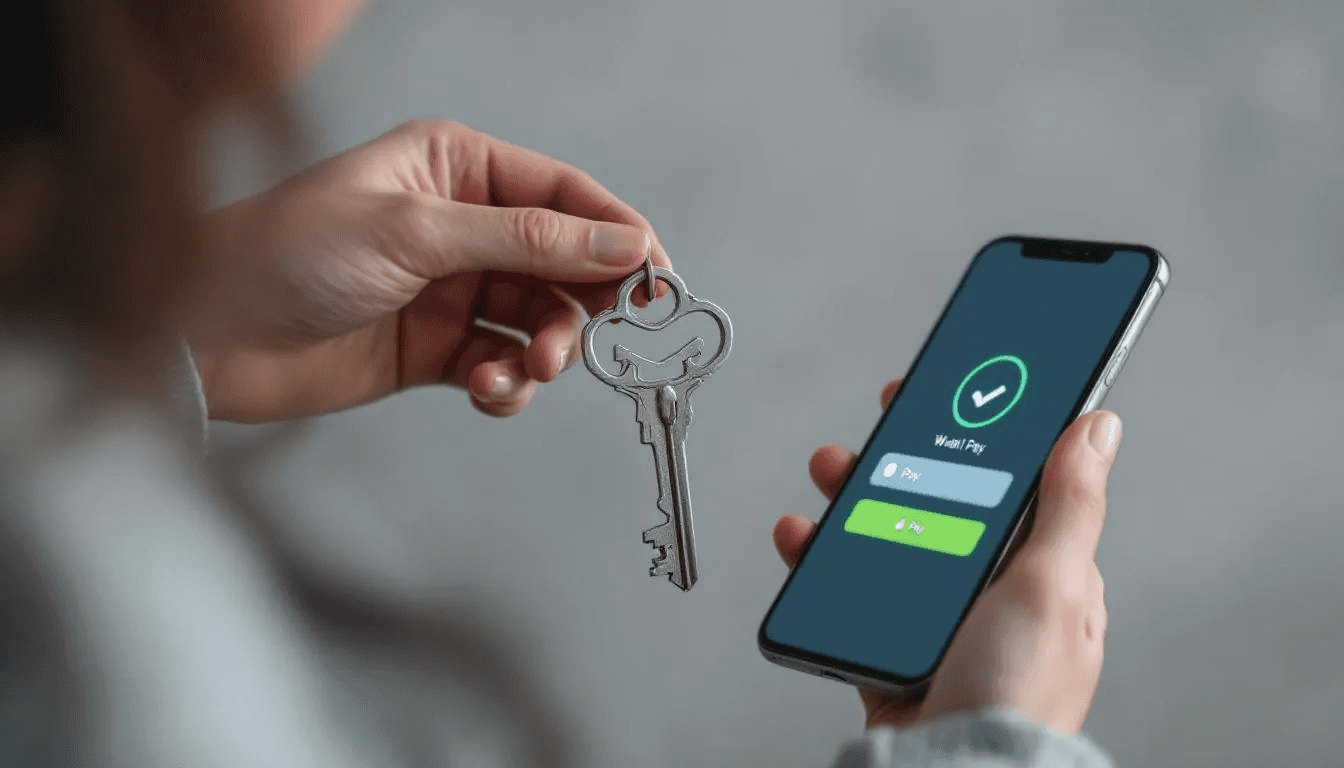
Think of self custody like controlling your own safe deposit box. In traditional banking, you might rent a safe deposit box at a bank, but the bank maintains control over access. With self custody, you own the entire safe, hold all the keys, and decide when and how to access your assets. No bank can freeze your account, impose withdrawal limits, or suddenly shut down operations.
This contrasts sharply with custodial services like major exchanges such as Coinbase or Binance, where the platform controls your private keys and technically owns your crypto on your behalf. While these platforms provide convenience and user-friendly interfaces, they also introduce counterparty risk - the possibility that the custodian could fail, be hacked, or restrict access to your funds.
The importance of self custody has become crystal clear in 2024, following a series of high-profile exchange failures. The FTX collapse alone resulted in billions of dollars in locked funds, while users who maintained self custody of their crypto assets remained completely unaffected. These events have accelerated the adoption of self custody solutions as users recognize the benefits of maintaining direct control over their digital assets.
How Self-Custody Works in Practice
Understanding self custody requires grasping a fundamental concept: crypto wallets don’t actually store cryptocurrency. Instead, your wallet stores the private keys that prove ownership of crypto assets that exist on the blockchain network. The blockchain itself is a distributed ledger that records all transactions and account balances across thousands of computers worldwide.
Every cryptocurrency wallet consists of a public address and a corresponding private key. The public address functions like your bank account number - it’s safe to share and allows others to send you cryptocurrency. Your private key, however, is like the password to your bank account and should never be shared with anyone.
When you want to send a cryptocurrency transaction using self custody, your wallet uses your private key to create a cryptographic signature that proves you own the assets. This signature is then broadcast to the blockchain network, where thousands of computers verify the transaction’s authenticity. Once verified, the transaction is permanently recorded on the blockchain.
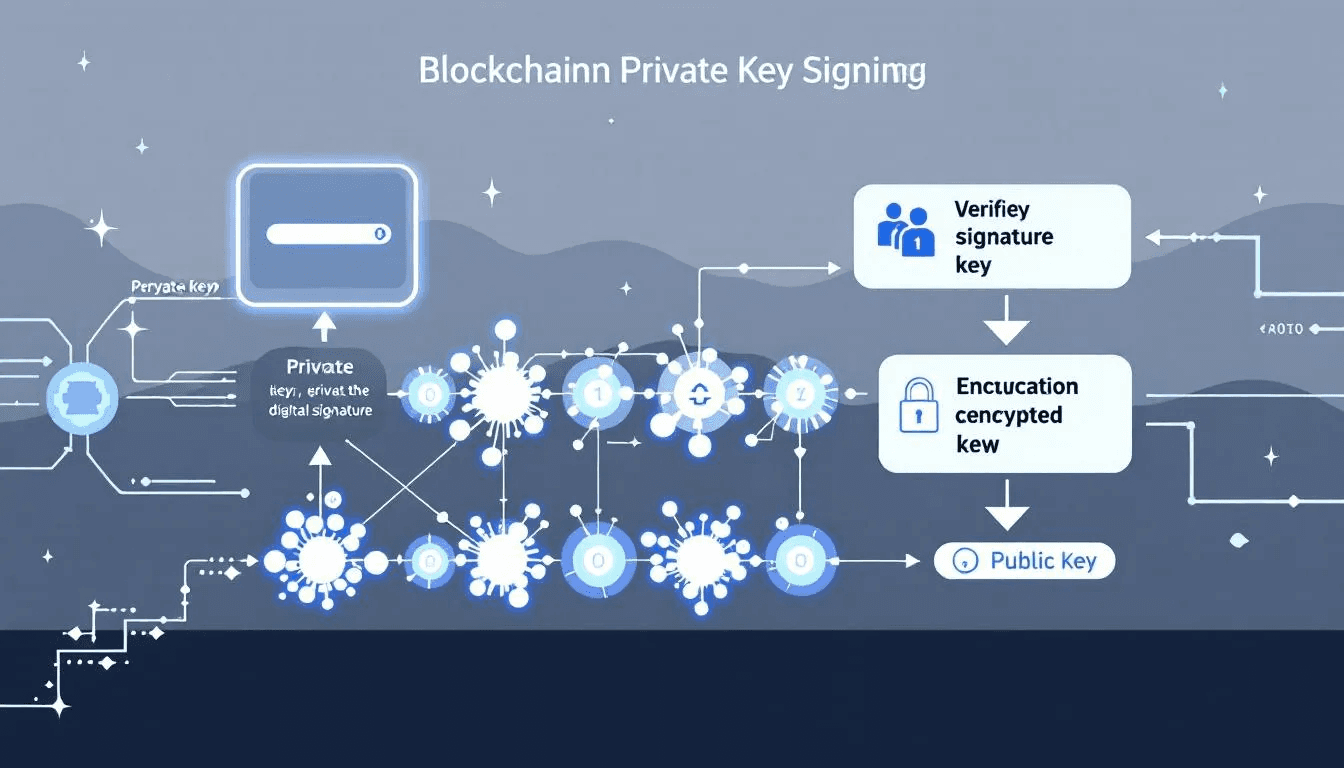
A crucial component of self custody is your seed phrase, also known as a recovery phrase. From this single seed phrase, your wallet can mathematically generate all your private keys and restore access to all your crypto assets. If you lose access to your wallet device, you can use this seed phrase to recover everything on a new device.
Blockchain networks like Bitcoin and Ethereum verify ownership through these cryptographic signatures without requiring any central authority. This mathematical proof system is what enables self custody - you can prove ownership of your crypto assets to the entire network without needing permission from any company or government.
The beauty of this system is that it works the same way whether you’re sending $10 or $10 million. The blockchain doesn’t care about the amount, your identity, or your location. As long as you have the correct private key to sign transactions, you maintain complete control over your crypto assets.
Key Benefits of Self-Custody
Millions of cryptocurrency users are choosing self custody over keeping their assets on exchanges, and for good reason. The benefits extend far beyond simply “owning” your crypto - self custody provides fundamental advantages in security, privacy, and access that custodial solutions simply cannot match.
Complete Asset Ownership
The most significant advantage of self custody is eliminating counterparty risk entirely. When you hold your own private keys, your assets cannot be affected by exchange bankruptcies, regulatory shutdowns, or platform-specific issues that have plagued the cryptocurrency industry.
Consider the catastrophic failures that have occurred in recent years. Mt. Gox users lost access to their Bitcoin for over a decade, and many never recovered their funds. FTX customers saw billions of dollars frozen overnight when the exchange collapsed. Meanwhile, users practicing self custody remained completely unaffected by these events because their assets were never at risk.
Self custody ensures your crypto assets remain accessible 24/7, regardless of any platform’s operational status. There are no withdrawal limits imposed by third parties, no account freezing due to suspicious activity flags, and no risk of sudden policy changes that could lock you out of your own money. Your financial sovereignty remains intact because you maintain direct control over your digital wealth.
Additionally, self custody protects against exchange hacks that have become increasingly common. When exchanges are targeted by cybercriminals, user funds are at direct risk. However, properly secured self custody wallets are not vulnerable to these large-scale attacks because your private keys are not stored on any centralized platform.
Enhanced Privacy Protection
Self custody provides significant privacy advantages over custodial services. When you use exchange wallets, these platforms typically require extensive Know Your Customer (KYC) verification that links your identity to all your cryptocurrency transactions. This personal information is stored in centralized databases that become targets for hackers and can be shared with governments or other organizations.
With self custody wallets, you can maintain pseudonymous control over your crypto assets. While blockchain transactions are public, wallet addresses are not inherently linked to your real-world identity unless you choose to reveal that connection. This allows you to maintain privacy while still participating in the cryptocurrency ecosystem.
Self custody also protects you from data breaches that regularly affect centralized platforms. When exchanges are hacked, user personal information, trading histories, and account details are often compromised. Self custody users are not exposed to these risks because they don’t store personal data with any centralized service.
The privacy benefits extend to your transaction patterns as well. Custodial services can analyze your trading behavior, spending habits, and asset holdings to build detailed profiles for marketing or other purposes. With self custody, your financial activity remains private unless you specifically choose to share it.
Access to Decentralized Finance (DeFi)
Self custody opens the door to the rapidly growing world of decentralized finance, which offers financial services without traditional intermediaries. Most DeFi protocols require users to connect self custody wallets to interact with smart contracts, making custodial exchange wallets incompatible with these innovative platforms.
With a self custody wallet, you can directly interact with protocols like Uniswap for trading, Aave for lending and borrowing, or Compound for earning yield on your crypto assets. These platforms often offer better rates and more flexible terms than traditional financial institutions because they eliminate intermediary costs and operate through automated smart contracts.
Self custody also enables full participation in the NFT ecosystem. You can buy, sell, and trade non-fungible tokens on marketplaces like OpenSea, participate in NFT launches, and interact with gaming platforms that integrate blockchain assets. Exchange wallets typically don’t support NFT functionality or charge high fees for these services.
Many DeFi protocols also offer governance tokens that allow users to vote on protocol changes and improvements. Self custody wallet holders can participate in decentralized autonomous organization (DAO) governance, helping shape the future of the protocols they use. This level of participation in the crypto ecosystem’s decision-making process is only available to self custody users.
Types of Self-Custody Wallets
Choosing the right self custody solution depends on your specific needs, technical comfort level, and security requirements. Each type of wallet offers different trade-offs between convenience, security, and functionality. Understanding these options helps you select the most appropriate solution for your cryptocurrency management strategy.
Software Wallets (Hot Wallets)
Software wallets are applications that run on your computer or mobile device, storing your private keys digitally while connected to the internet. Popular examples include MetaMask for Ethereum and multi-chain assets, Trust Wallet for mobile users, Electrum for Bitcoin, and Exodus for a user-friendly multi-currency experience.
These wallets excel at convenience and accessibility, making them ideal for users who frequently interact with their crypto assets. They’re free to download and set up, support a wide range of cryptocurrencies, and integrate seamlessly with DeFi protocols and dApps. Most software wallets also offer features like built-in exchange services and portfolio tracking.
However, software wallets carry higher security risks because your private keys are stored on devices connected to the internet. They’re vulnerable to malware, phishing attacks, and other online threats that could potentially compromise your assets. While modern software wallets implement multiple security layers, they’re generally recommended for smaller amounts that you might need for regular transactions rather than long-term storage of significant holdings.

The user experience of software wallets has improved dramatically in recent years. Modern wallets feature intuitive interfaces, QR code scanning for easy address sharing, and comprehensive security features like biometric authentication and transaction confirmations. They’re an excellent starting point for users new to self custody because they provide a familiar app-like experience while teaching fundamental concepts.
Hardware Wallets (Cold Storage)
Hardware wallets represent the gold standard for self custody security, storing your private keys offline on a dedicated physical device with specialized secure chips. Leading models include the Ledger Nano S and Nano X, Trezor Model T and Model One, and Coldcard for Bitcoin-only users who prioritize maximum security.
These devices keep your private keys offline even when connected to a computer for transactions, making them virtually immune to online threats like malware or hacking attempts. When you need to make a transaction, you physically confirm it on the device itself, ensuring that even a compromised computer cannot steal your assets.
Hardware wallets typically cost between $50 and $200, making them a worthwhile investment for anyone holding significant cryptocurrency amounts. They support hundreds of different cryptocurrencies and work with various software interfaces, allowing you to access DeFi protocols and other services while maintaining cold storage security.
The main drawbacks of hardware wallets are their cost and slightly more complex setup process. They’re also physical devices that can be lost, stolen, or damaged, though your assets remain recoverable as long as you have your seed phrase safely stored. Some users find the transaction confirmation process slower than software wallets, but this deliberate friction actually enhances security.
Modern hardware wallets include features like large displays for transaction verification, Bluetooth connectivity for mobile use, and backup options for secure seed phrase storage. They’re ideal for long-term storage of substantial crypto holdings and users who prioritize security over convenience.
Paper Wallets and Air-Gapped Solutions
Paper wallets represent the most offline approach to self custody, involving the physical printing or writing of private keys and wallet addresses. These completely air-gapped solutions eliminate all digital attack vectors by storing your cryptocurrency access information entirely offline.
A paper wallet typically displays both your public address for receiving funds and the corresponding private key or QR codes for spending those funds. Some advanced users create paper wallets using air-gapped computers that never connect to the internet, ensuring maximum security during the generation process.
While paper wallets offer complete protection from digital threats, they introduce significant physical risks and usability challenges. Paper can be damaged by fire, water, or simple wear over time. The information can fade, become illegible, or be accidentally destroyed. Additionally, using funds from a paper wallet typically requires importing the private key into a software wallet, which can be complex for beginners.
Paper wallets are not practical for regular transactions and are better suited for long-term storage of cryptocurrency that you don’t plan to access frequently. Many users who choose this approach also create multiple copies stored in different secure locations to protect against physical loss.
More sophisticated air-gapped solutions include dedicated offline computers for wallet management and signing transactions that are later broadcast online. While these methods provide maximum security, they require significant technical knowledge and are typically used only by advanced users managing substantial cryptocurrency holdings.
Getting Started with Self-Custody
Transitioning from exchange custody to self custody might seem daunting, but starting with the right approach makes the process manageable and safe. The key is beginning with small amounts, choosing reputable tools, and gradually building your knowledge and confidence before transferring significant assets.
Choosing Your First Self-Custody Wallet
For most beginners, starting with a well-established software wallet provides the best balance of security, functionality, and ease of use. MetaMask is an excellent choice for users interested in Ethereum and DeFi applications, while Electrum offers a robust, time-tested solution for Bitcoin users. These wallets have been extensively audited, maintain active development teams, and offer comprehensive documentation.
Consider your primary use case when selecting a wallet. If you plan to explore DeFi protocols and interact with various dApps, choose a wallet that supports multiple blockchain networks and integrates well with these services. For long-term storage focused primarily on Bitcoin, a Bitcoin-specific wallet like Electrum provides optimized features and enhanced security.
Research the development team behind any wallet you’re considering. Look for wallets that are open-source, regularly updated, and have undergone professional security audits. Avoid wallets with questionable backgrounds, limited community support, or aggressive marketing tactics that seem too good to be true.
The cryptocurrency community itself provides valuable guidance for wallet selection. Check online forums, review sites, and official recommendations from blockchain projects to identify wallets with strong reputations. Established wallets typically have large user bases, extensive documentation, and active community support that can help you troubleshoot any issues.
Setting Up Your Wallet Safely
Proper wallet setup is crucial for maintaining security from day one. Always download wallet software directly from the official website or verified app store listings. Scammers frequently create fake versions of popular wallets, so double-check URLs and developer information before downloading anything.
During the initial setup, your wallet will generate a seed phrase that you must write down and store securely. This step is absolutely critical - write the words on paper in the exact order provided, double-check your writing for accuracy, and never store this information digitally on any device connected to the internet.

Verify your seed phrase backup by restoring your wallet on a separate device or using the wallet’s verification feature. This process confirms that you’ve recorded the seed phrase correctly and can successfully recover your wallet if needed. Many users skip this step and later discover they’ve written down incorrect words when it’s too late.
Start with small test transactions before transferring significant amounts. Send a small amount of cryptocurrency to your new wallet, practice sending it to another address, and familiarize yourself with the interface. This approach allows you to learn the system safely and build confidence with your self custody setup.
Most importantly, take time to understand each feature before using it. Modern wallets offer many advanced options, but rushing to use unfamiliar features can lead to mistakes. Focus on mastering the basics of receiving and sending transactions before exploring more complex functionality.
Essential Security Best Practices
Maintaining secure self custody requires ongoing vigilance and adherence to proven security principles. While self custody eliminates many risks associated with third party custodians, it places full responsibility for asset security directly on your shoulders. Following established best practices dramatically reduces the risk of loss or theft.
Seed Phrase Protection
Your seed phrase represents the master key to all your crypto assets, making its protection the most critical aspect of self custody security. Physical storage is essential - never store your seed phrase digitally in cloud storage, email, notes applications, or any device connected to the internet. Even password managers, while useful for other purposes, are not appropriate for seed phrase storage.
Consider investing in metal backup solutions specifically designed for seed phrase storage. These metal plates resist fire, water damage, and physical deterioration that can affect paper backups over time. Several companies manufacture purpose-built devices that allow you to stamp or engrave your seed words into durable metal surfaces.
Geographic distribution of backups provides protection against localized disasters or theft. Store copies of your seed phrase in multiple secure locations, such as a home safe and a bank deposit box. However, avoid storing backups in locations where a single event could compromise multiple copies, such as keeping all backups in your home.
Many advanced users implement a passphrase extension, sometimes called the “25th word,” which adds an additional layer of security beyond the standard seed phrase. This passphrase must be entered along with your seed phrase to access your wallet, protecting your assets even if someone discovers your written backup. However, losing this passphrase results in permanent loss of access, so it must be backed up just as securely as your seed phrase.
Transaction Security
Every cryptocurrency transaction is irreversible, making careful verification essential before sending any assets. Always verify recipient addresses character by character rather than relying on visual similarity. Malware can modify clipboard contents, so addresses copied and pasted may not match what you intended. Consider using address whitelisting features when available to prevent accidental sends to incorrect addresses.
Address poisoning attacks have become increasingly common, where scammers send small amounts from addresses that look similar to ones you’ve used previously. Always verify addresses from your own records rather than copying from recent transaction history. Double-checking may seem tedious, but it prevents costly mistakes.
Start with small test transactions when sending to new addresses, especially for large amounts. Send a small test amount first, verify it arrives correctly, then send the remaining balance. While this approach requires additional transaction fees, it provides valuable peace of mind and prevents total loss due to address errors.
Be particularly cautious when interacting with DeFi protocols or smart contracts. Verify contract addresses through official sources, understand what permissions you’re granting, and be aware that approving token spending limits gives smart contracts ongoing access to your assets. Regularly review and revoke unnecessary approvals to minimize risk exposure.
Device and Software Security
Keep all devices and software involved in your self custody setup current with the latest security updates. This includes your operating system, wallet applications, browser software, and any hardware wallet firmware. Security vulnerabilities are regularly discovered and patched, so staying current is essential for protection.
Consider using dedicated devices for cryptocurrency transactions when managing substantial holdings. An isolated computer or smartphone used exclusively for crypto activities reduces exposure to malware and other security threats that might be present on your everyday devices. This approach provides an additional layer of security separation.
Enable all available security features on devices used for self custody. This includes strong screen locks, biometric authentication where supported, automatic device locking, and remote wipe capabilities in case of theft. Two-factor authentication should be enabled for any online services connected to your crypto activities.
Regular security hygiene extends beyond just crypto-related activities. Avoid clicking suspicious links, downloading software from unverified sources, or visiting potentially compromised websites on devices used for self custody. The interconnected nature of modern devices means that general security practices directly impact crypto security.
Common Self-Custody Risks and How to Avoid Them
While self custody provides significant advantages over custodial solutions, it also introduces risks that users must understand and actively manage. Being aware of these potential pitfalls and implementing appropriate preventive measures is essential for successful long-term self custody practice.
User Error and Loss of Access
The most significant risk in self custody is user error leading to permanent loss of access to crypto assets. Studies estimate that approximately 20% of all Bitcoin in existence is permanently lost due to forgotten passwords, lost seed phrases, or damaged storage devices. Unlike traditional banking, there is no customer service department that can reset your password or recover your account.
Lost seed phrases represent the primary cause of permanent crypto loss. Create multiple secure backups immediately after setting up any new wallet, and verify that these backups work by testing the recovery process. Store backups in different physical locations to protect against fire, flood, or theft affecting a single location.
Practice the wallet recovery process with small test amounts before committing significant assets. Many users create backups but never verify they work correctly until it’s too late. Set up a test wallet, record the seed phrase, delete the wallet, and then restore it to ensure your backup process works correctly.
For users managing substantial cryptocurrency holdings, consider implementing multi-signature security arrangements. These setups require multiple private keys to authorize transactions, providing protection against single points of failure while distributing risk among multiple parties or devices.

Advanced users might also explore time-locked transactions or dead man’s switch arrangements for inheritance planning. These technical solutions help ensure that crypto assets can be recovered by designated individuals if the primary holder becomes unable to access them.
Scams and Social Engineering
The cryptocurrency ecosystem attracts numerous scammers who specifically target self custody users through sophisticated social engineering attacks. Fake wallet applications distributed through unofficial channels can steal your seed phrase during setup. Always download wallet software exclusively from official websites or verified app store listings.
Phishing websites that mimic legitimate wallet interfaces or DeFi protocols are increasingly sophisticated. These sites can steal your seed phrase or trick you into approving malicious smart contracts. Always verify URLs carefully, use bookmarks for frequently accessed sites, and be suspicious of any unexpected requests for sensitive information.
Fake token airdrops and promotional offers often target self custody users through social media or email. These scams typically ask you to connect your wallet to claim free tokens but instead drain your assets through malicious smart contract interactions. Be extremely skeptical of unsolicited offers and verify all opportunities through official project channels.
Never share your seed phrase or private keys with anyone for any reason. Legitimate support services will never ask for this information. Scammers often pose as customer support representatives or technical experts offering help with wallet issues, but sharing your seed phrase with anyone results in immediate loss of all your assets.
Social media platforms are particularly dangerous environments for cryptocurrency users. Scammers impersonate well-known figures, create fake support accounts, and promote fraudulent investment opportunities. Maintain extreme skepticism when encountering crypto-related content on social media platforms.
Technical Vulnerabilities
Smart contract vulnerabilities in DeFi protocols represent a growing risk category for self custody users who interact with these platforms. While self custody protects your base assets, smart contract bugs or exploits can result in loss of funds deposited in or approved for use by these protocols.
Research any DeFi protocol thoroughly before depositing substantial amounts. Look for professional security audits, bug bounty programs, and track records of safe operation. Understand that even audited protocols can contain vulnerabilities, so only deposit amounts you can afford to lose and diversify across multiple protocols rather than concentrating risk.
Wallet software vulnerabilities can also pose risks to self custody users. Stay informed about security developments in your chosen wallet software, apply updates promptly, and consider using multiple different wallet types to diversify technical risk. Follow official communication channels for your wallet providers to stay informed about security updates.
Network-specific risks such as MEV (Maximal Extractable Value) attacks, bridge exploits, and consensus-level vulnerabilities can affect even properly secured self custody setups. Stay informed about developments in the blockchain networks you use, understand the risks associated with different transaction types, and consider these factors when making large or time-sensitive transactions.
Maintaining awareness of the broader threat landscape helps self custody users make informed decisions about their security practices. Follow reputable crypto security resources, participate in community discussions about emerging threats, and adjust your practices as the threat environment evolves.
Self custody represents a fundamental shift in how we think about asset ownership and financial sovereignty in the digital age. While the responsibility can seem overwhelming at first, the benefits of true ownership, enhanced privacy, and unlimited access to the growing crypto ecosystem make it an increasingly attractive option for millions of users worldwide.
The key to successful self custody lies in education, preparation, and gradual implementation. Start with small amounts, use reputable tools, and build your knowledge and confidence over time. Focus on mastering basic security practices before exploring advanced features, and never hesitate to seek guidance from experienced community members when needed.
As the cryptocurrency ecosystem continues to mature and regulatory uncertainties persist, the importance of self custody will likely continue growing. By understanding these concepts and implementing proper security practices, you can take control of your digital assets and participate fully in the financial freedom that cryptocurrencies were designed to provide.
Remember that choosing self custody is not just about protecting your current assets - it’s about positioning yourself to take advantage of future innovations in decentralized finance, digital ownership, and financial sovereignty that are only accessible to those who maintain direct control over their private keys.