" height="31.469717497114758px" id="eCOXNpv5s" transform="translate(0 8.53)" width="32.43161611406683px"/><path d="M 6.851 1.35 C 6.851 4.361 4.335 6.803 1.23 6.803 L 0 6.803 L 0 5.452 C 0 2.442 2.515 0 5.62 0 L 6.85 0 L 6.85 1.35 Z" fill="rgb(255, 87, 20)" height="6.8031511867128245px" id="yGyYVDzJf" transform="translate(16.216 0)" width="6.851178904096614px"/><path d="M 59.255 11.828 C 59.12 11.828 59.053 11.758 59.053 11.615 L 59.053 0.426 C 59.053 0.285 59.12 0.214 59.255 0.214 L 66.26 0.214 C 66.394 0.214 66.46 0.284 66.46 0.427 L 66.46 1.881 C 66.46 2.022 66.394 2.093 66.26 2.093 L 61.248 2.093 L 61.248 5.054 L 65.821 5.054 C 65.955 5.054 66.022 5.125 66.022 5.268 L 66.022 6.633 C 66.022 6.774 65.955 6.845 65.821 6.845 L 61.248 6.845 L 61.248 9.948 L 66.26 9.948 C 66.394 9.948 66.46 10.019 66.46 10.161 L 66.46 11.616 C 66.46 11.757 66.394 11.828 66.26 11.828 Z M 51.202 12.04 C 50.313 12.04 49.532 11.874 48.861 11.544 C 48.203 11.213 47.662 10.694 47.307 10.054 C 46.942 9.403 46.758 8.606 46.758 7.66 L 46.758 4.38 C 46.758 2.962 47.184 1.88 48.038 1.135 C 48.904 0.378 50.087 0 51.587 0 C 52.661 0 53.563 0.166 54.294 0.497 C 55.037 0.828 55.581 1.289 55.922 1.88 C 56.276 2.459 56.398 3.127 56.287 3.884 C 56.276 4.024 56.202 4.097 56.068 4.097 L 54.295 4.078 C 54.148 4.078 54.081 4.008 54.092 3.866 C 54.117 3.44 54.038 3.079 53.855 2.784 C 53.684 2.477 53.416 2.246 53.05 2.092 C 52.685 1.939 52.215 1.862 51.641 1.862 C 50.751 1.862 50.08 2.074 49.629 2.5 C 49.178 2.914 48.953 3.559 48.953 4.433 L 48.953 7.607 C 48.953 8.494 49.172 9.143 49.612 9.558 C 50.062 9.971 50.727 10.178 51.605 10.178 C 52.459 10.178 53.111 9.989 53.562 9.611 C 54.014 9.22 54.239 8.659 54.239 7.926 L 54.239 7.359 L 51.77 7.359 C 51.623 7.359 51.55 7.288 51.55 7.146 L 51.55 5.958 C 51.55 5.828 51.623 5.762 51.77 5.762 L 56.123 5.762 C 56.257 5.762 56.325 5.828 56.325 5.958 L 56.325 9.22 C 56.325 9.622 56.331 10.031 56.343 10.444 C 56.367 10.858 56.41 11.242 56.471 11.597 C 56.495 11.667 56.483 11.728 56.434 11.774 C 56.395 11.81 56.342 11.829 56.288 11.827 L 54.86 11.827 C 54.809 11.83 54.758 11.817 54.714 11.792 C 54.674 11.751 54.643 11.703 54.623 11.65 C 54.594 11.479 54.569 11.308 54.549 11.136 L 54.512 10.55 L 54.476 10.55 C 54.265 10.862 53.998 11.132 53.69 11.348 C 53.364 11.583 52.998 11.757 52.61 11.863 C 52.151 11.986 51.677 12.046 51.201 12.04 Z M 34.943 11.828 C 34.809 11.828 34.742 11.758 34.742 11.615 L 34.742 0.426 C 34.742 0.285 34.809 0.214 34.943 0.214 L 37.541 0.214 C 37.662 0.214 37.748 0.261 37.797 0.355 L 40.741 6.119 C 40.949 6.508 41.138 6.886 41.309 7.253 C 41.63 7.897 41.923 8.553 42.187 9.222 L 42.241 9.222 C 42.217 8.903 42.199 8.559 42.186 8.193 L 42.15 7.059 L 42.15 0.427 C 42.15 0.285 42.217 0.214 42.352 0.214 L 44.071 0.214 C 44.217 0.214 44.29 0.284 44.29 0.427 L 44.29 11.616 C 44.29 11.757 44.217 11.828 44.071 11.828 L 41.509 11.828 C 41.388 11.828 41.303 11.781 41.254 11.686 L 38.4 6.119 C 38.215 5.759 38.032 5.399 37.852 5.037 C 37.683 4.664 37.513 4.291 37.34 3.92 C 37.189 3.57 37.036 3.222 36.882 2.873 L 36.827 2.873 L 36.864 3.99 C 36.876 4.369 36.882 4.747 36.882 5.125 L 36.882 11.615 C 36.882 11.757 36.809 11.828 36.663 11.828 Z M 22.818 11.828 C 22.659 11.828 22.598 11.752 22.635 11.597 L 26.586 0.373 C 26.622 0.267 26.701 0.213 26.823 0.213 L 29.164 0.213 C 29.299 0.213 29.384 0.267 29.421 0.373 L 33.389 11.597 C 33.439 11.752 33.383 11.828 33.225 11.828 L 31.286 11.828 C 31.165 11.828 31.085 11.775 31.048 11.668 L 28.689 4.381 C 28.567 3.99 28.446 3.607 28.324 3.228 L 27.994 2.057 L 27.957 2.057 C 27.848 2.436 27.732 2.82 27.609 3.21 C 27.5 3.589 27.384 3.967 27.262 4.344 L 24.958 11.65 C 24.921 11.769 24.837 11.828 24.702 11.828 L 22.817 11.828 Z M 25.323 9.399 L 25.744 7.661 L 30.189 7.661 L 30.628 9.399 Z M 12.919 11.828 C 12.784 11.828 12.717 11.758 12.717 11.615 L 12.717 0.426 C 12.717 0.285 12.784 0.214 12.919 0.214 L 16.76 0.214 C 18.333 0.214 19.479 0.509 20.199 1.1 C 20.918 1.68 21.278 2.531 21.278 3.654 C 21.278 4.47 21.083 5.161 20.692 5.728 C 20.314 6.284 19.748 6.668 18.992 6.881 L 18.992 6.917 L 21.936 11.58 C 21.986 11.65 21.992 11.711 21.954 11.757 C 21.93 11.805 21.875 11.828 21.79 11.828 L 19.76 11.828 C 19.655 11.831 19.556 11.777 19.504 11.686 L 16.742 7.201 L 14.912 7.201 L 14.912 11.616 C 14.912 11.757 14.839 11.828 14.694 11.828 Z M 14.912 5.516 L 16.669 5.516 C 17.51 5.516 18.119 5.374 18.497 5.09 C 18.887 4.806 19.083 4.351 19.083 3.725 C 19.083 3.11 18.906 2.672 18.553 2.413 C 18.198 2.152 17.601 2.022 16.759 2.022 L 14.912 2.022 L 14.912 5.515 Z M 5.412 12.04 C 3.804 12.04 2.596 11.668 1.791 10.923 C 0.986 10.166 0.585 9.084 0.585 7.678 L 0.585 4.362 C 0.585 2.943 0.986 1.862 1.791 1.117 C 2.596 0.372 3.804 0 5.413 0 C 7.01 0 8.211 0.372 9.016 1.117 C 9.821 1.862 10.223 2.943 10.223 4.362 L 10.223 7.678 C 10.223 9.084 9.821 10.167 9.017 10.923 C 8.211 11.667 7.01 12.04 5.413 12.04 Z M 5.412 10.178 C 6.279 10.178 6.931 9.959 7.37 9.522 C 7.809 9.073 8.029 8.423 8.029 7.572 L 8.029 4.469 C 8.029 3.618 7.809 2.974 7.37 2.536 C 6.931 2.086 6.279 1.862 5.413 1.862 C 4.546 1.862 3.889 2.086 3.437 2.536 C 2.999 2.974 2.778 3.618 2.778 4.469 L 2.778 7.572 C 2.778 8.423 2.999 9.073 3.437 9.522 C 3.889 9.959 4.548 10.178 5.413 10.178 Z M 59.488 25.96 C 59.38 25.96 59.326 25.905 59.326 25.796 L 59.326 15.351 C 59.326 15.241 59.38 15.187 59.488 15.187 L 61.849 15.187 C 63.197 15.187 64.205 15.565 64.874 16.321 C 65.542 17.068 65.877 18.203 65.877 19.726 L 65.877 21.026 C 65.877 22.682 65.548 23.921 64.891 24.743 C 64.233 25.555 63.235 25.96 61.898 25.96 Z M 60.863 24.545 L 61.8 24.545 C 62.674 24.545 63.316 24.266 63.726 23.707 C 64.136 23.148 64.34 22.27 64.34 21.075 L 64.34 19.677 C 64.34 18.635 64.136 17.862 63.726 17.359 C 63.316 16.854 62.664 16.601 61.768 16.601 L 60.863 16.601 L 60.863 24.546 Z M 50.762 25.96 C 50.664 25.96 50.616 25.905 50.616 25.796 L 50.616 15.351 C 50.616 15.241 50.664 15.187 50.762 15.187 L 53.285 15.187 C 54.396 15.187 55.215 15.439 55.743 15.944 C 56.272 16.447 56.535 17.215 56.535 18.246 C 56.535 19.036 56.396 19.677 56.115 20.171 C 55.858 20.644 55.44 21.011 54.935 21.207 L 54.935 21.223 L 56.972 25.746 C 57.037 25.889 57 25.96 56.86 25.96 L 55.468 25.96 C 55.393 25.96 55.338 25.922 55.306 25.845 L 53.398 21.486 L 52.154 21.486 L 52.154 25.796 C 52.154 25.906 52.105 25.96 52.008 25.96 L 50.763 25.96 Z M 52.153 20.154 L 53.253 20.154 C 53.867 20.154 54.309 20.006 54.578 19.71 C 54.848 19.414 54.984 18.953 54.984 18.328 C 54.984 17.692 54.848 17.242 54.578 16.979 C 54.309 16.716 53.878 16.585 53.285 16.585 L 52.153 16.585 Z M 41.428 25.96 C 41.32 25.96 41.282 25.9 41.315 25.78 L 43.983 15.318 C 44.006 15.231 44.064 15.187 44.162 15.187 L 45.828 15.187 C 45.914 15.187 45.973 15.231 46.005 15.317 L 48.706 25.78 C 48.727 25.9 48.685 25.96 48.577 25.96 L 47.202 25.96 C 47.137 25.96 47.084 25.916 47.04 25.829 L 45.455 18.92 C 45.369 18.56 45.289 18.198 45.213 17.835 C 45.138 17.473 45.062 17.106 44.987 16.732 L 44.954 16.732 C 44.889 17.106 44.819 17.473 44.743 17.835 C 44.668 18.187 44.592 18.548 44.517 18.92 L 42.932 25.829 C 42.911 25.916 42.851 25.96 42.754 25.96 Z M 43.207 23.526 L 43.482 22.178 L 46.458 22.178 L 46.765 23.526 L 43.208 23.526 Z M 33.5 25.96 C 33.391 25.96 33.338 25.905 33.338 25.796 L 33.338 15.351 C 33.338 15.241 33.391 15.187 33.5 15.187 L 35.861 15.187 C 37.209 15.187 38.217 15.565 38.886 16.321 C 39.554 17.068 39.889 18.203 39.889 19.726 L 39.889 21.026 C 39.889 22.682 39.559 23.921 38.902 24.743 C 38.244 25.555 37.247 25.96 35.909 25.96 Z M 34.874 24.545 L 35.813 24.545 C 36.686 24.545 37.328 24.266 37.737 23.707 C 38.147 23.148 38.351 22.27 38.351 21.075 L 38.351 19.677 C 38.351 18.635 38.147 17.862 37.737 17.359 C 37.328 16.854 36.675 16.601 35.78 16.601 L 34.874 16.601 L 34.874 24.546 Z M 24.031 25.96 C 23.934 25.96 23.885 25.905 23.885 25.796 L 23.885 15.351 C 23.885 15.241 23.934 15.187 24.031 15.187 L 25.858 15.187 C 25.955 15.187 26.015 15.225 26.036 15.301 L 28.091 21.059 C 28.209 21.366 28.322 21.695 28.43 22.045 C 28.549 22.397 28.656 22.737 28.755 23.066 C 28.862 23.383 28.947 23.679 29.012 23.953 L 29.061 23.953 C 29.037 23.619 29.015 23.284 28.996 22.949 L 28.964 21.832 L 28.964 15.351 C 28.964 15.241 29.012 15.187 29.109 15.187 L 30.306 15.187 C 30.404 15.187 30.452 15.241 30.452 15.351 L 30.452 25.796 C 30.452 25.906 30.404 25.96 30.306 25.96 L 28.495 25.96 C 28.419 25.96 28.36 25.922 28.317 25.845 L 26.311 20.253 C 26.121 19.736 25.943 19.215 25.778 18.69 C 25.638 18.201 25.492 17.713 25.341 17.226 L 25.309 17.226 C 25.319 17.544 25.325 17.901 25.325 18.296 L 25.357 19.447 C 25.368 19.83 25.374 20.193 25.374 20.532 L 25.374 25.796 C 25.374 25.906 25.325 25.96 25.228 25.96 Z M 14.698 25.96 C 14.589 25.96 14.552 25.9 14.584 25.78 L 17.253 15.318 C 17.274 15.231 17.334 15.187 17.431 15.187 L 19.097 15.187 C 19.183 15.187 19.242 15.231 19.275 15.317 L 21.975 25.78 C 21.998 25.9 21.954 25.96 21.847 25.96 L 20.471 25.96 C 20.407 25.96 20.353 25.916 20.309 25.829 L 18.724 18.92 C 18.639 18.56 18.558 18.198 18.482 17.835 C 18.407 17.473 18.331 17.106 18.256 16.732 L 18.224 16.732 C 18.159 17.106 18.089 17.473 18.013 17.835 C 17.938 18.187 17.862 18.548 17.787 18.92 L 16.202 25.829 C 16.18 25.916 16.121 25.96 16.023 25.96 Z M 16.476 23.526 L 16.752 22.178 L 19.728 22.178 L 20.035 23.526 L 16.477 23.526 Z M 10.267 25.96 C 10.17 25.96 10.122 25.905 10.122 25.796 L 10.122 16.619 L 7.97 16.619 C 7.874 16.619 7.825 16.559 7.825 16.438 L 7.825 15.353 C 7.825 15.242 7.874 15.188 7.97 15.188 L 13.81 15.188 C 13.906 15.188 13.955 15.242 13.955 15.353 L 13.955 16.437 C 13.955 16.558 13.906 16.618 13.81 16.618 L 11.658 16.618 L 11.658 25.797 C 11.658 25.907 11.609 25.961 11.512 25.961 L 10.267 25.961 Z M 2.948 26.093 C 1.848 26.093 1.061 25.807 0.587 25.237 C 0.123 24.667 -0.066 23.91 0.02 22.967 C 0.03 22.814 0.085 22.737 0.182 22.737 L 1.378 22.737 C 1.487 22.737 1.54 22.814 1.54 22.968 C 1.498 23.548 1.6 23.987 1.848 24.282 C 2.107 24.568 2.495 24.711 3.013 24.711 C 3.52 24.711 3.892 24.595 4.128 24.365 C 4.366 24.135 4.485 23.773 4.485 23.28 C 4.485 23.027 4.452 22.802 4.387 22.605 C 4.32 22.403 4.209 22.218 4.063 22.062 C 3.897 21.877 3.7 21.721 3.481 21.602 L 1.751 20.566 C 1.169 20.204 0.743 19.803 0.473 19.365 C 0.215 18.915 0.09 18.367 0.101 17.72 C 0.111 16.854 0.355 16.195 0.829 15.746 C 1.314 15.285 2.015 15.055 2.932 15.055 C 3.946 15.055 4.706 15.324 5.212 15.861 C 5.729 16.387 5.945 17.134 5.859 18.099 C 5.838 18.263 5.784 18.345 5.697 18.345 L 4.469 18.345 C 4.361 18.345 4.317 18.263 4.34 18.098 C 4.383 17.582 4.281 17.183 4.033 16.898 C 3.796 16.602 3.44 16.453 2.965 16.453 C 2.545 16.453 2.222 16.558 1.995 16.766 C 1.769 16.963 1.655 17.27 1.655 17.687 C 1.645 18.071 1.72 18.389 1.881 18.64 C 2.043 18.882 2.313 19.112 2.69 19.333 L 4.372 20.351 C 4.782 20.592 5.105 20.851 5.343 21.124 C 5.59 21.388 5.769 21.695 5.876 22.046 C 5.985 22.385 6.038 22.797 6.038 23.28 C 6.038 24.168 5.79 24.858 5.294 25.352 C 4.798 25.846 4.016 26.092 2.949 26.092 Z" fill="rgb(23, 23, 23)" height="26.09262957451628px" id="G_jsIAzLG" transform="translate(40.54 11.039)" width="66.46047841033874px"/></g></svg>)
" height="31.469717497114758px" id="nxleYtm6x" transform="translate(1 8.53)" width="32.43161611406683px"/><path d="M 6.851 1.35 C 6.851 4.361 4.335 6.803 1.23 6.803 L 0 6.803 L 0 5.452 C 0 2.442 2.515 0 5.62 0 L 6.85 0 L 6.85 1.35 Z" fill="rgb(255, 87, 20)" height="6.8031511867128245px" id="ZZ56pTyUM" transform="translate(17.216 0)" width="6.851178904096614px"/></svg>)
Every Bitcoin transaction relies on a crucial component that most users interact with daily but rarely understand fully: the Bitcoin address. Whether you’re sending Bitcoin to a friend or receiving payment for goods and services, Bitcoin addresses serve as the fundamental building blocks that make peer-to-peer transactions possible on the Bitcoin network.
With over 460 million Bitcoin addresses created since Bitcoin’s inception, understanding these unique identifiers has become essential for anyone participating in the cryptocurrency ecosystem. This comprehensive guide will walk you through everything you need to know about Bitcoin addresses, from their basic functionality to advanced security practices that protect your digital assets.
Understanding Bitcoin Addresses
A Bitcoin address is a unique alphanumeric identifier consisting of 26 to 62 alphanumeric characters that designates where Bitcoin can be sent or received within the blockchain. Think of a Bitcoin address like an email address or bank account number for cryptocurrency transactions – it’s a public-facing destination that others can use to send you Bitcoin.
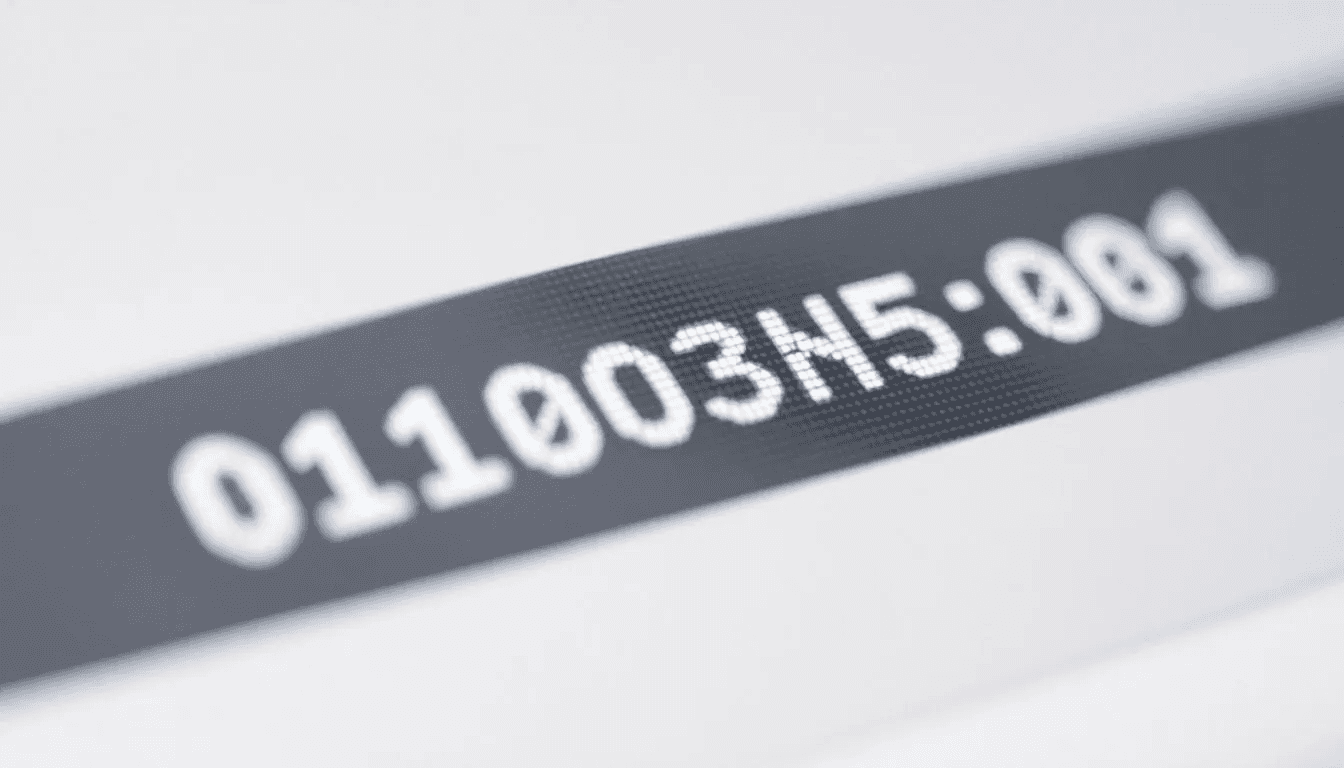
Unlike traditional bank accounts, however, a Bitcoin address doesn’t actually store or hold a Bitcoin balance. Instead, it represents a specific destination on the Bitcoin network where transactions are recorded on the public ledger. The address itself is derived from a public key through a series of cryptographic hash functions, making it a secure and mathematically unique identifier for receiving Bitcoin.
The genius of Bitcoin addresses lies in their design: they provide a user friendly version of complex cryptographic public keys while maintaining the security and privacy features that make Bitcoin transactions secure. When someone wants to send you Bitcoin, they only need your Bitcoin address – they never need access to your private keys or sensitive wallet information.
Every Bitcoin address corresponds to a specific public key, which in turn is mathematically linked to a private key. This relationship forms the foundation of asymmetric encryption that secures the entire Bitcoin network. The private key acts as your digital signature, proving ownership of funds sent to the corresponding Bitcoin address.
How Bitcoin Addresses Work
The relationship between private keys, public keys, and Bitcoin addresses forms the cryptographic backbone of secure transactions on the Bitcoin network. Understanding this process helps explain why Bitcoin addresses are both secure and necessary for the system to function.
The process begins with private public key pairs generated through elliptic curve cryptography. Your wallet software creates a random 256-bit private key, which serves as the mathematical foundation for generating the corresponding public key. This public key then undergoes additional cryptographic processing to create the Bitcoin address you share with others.
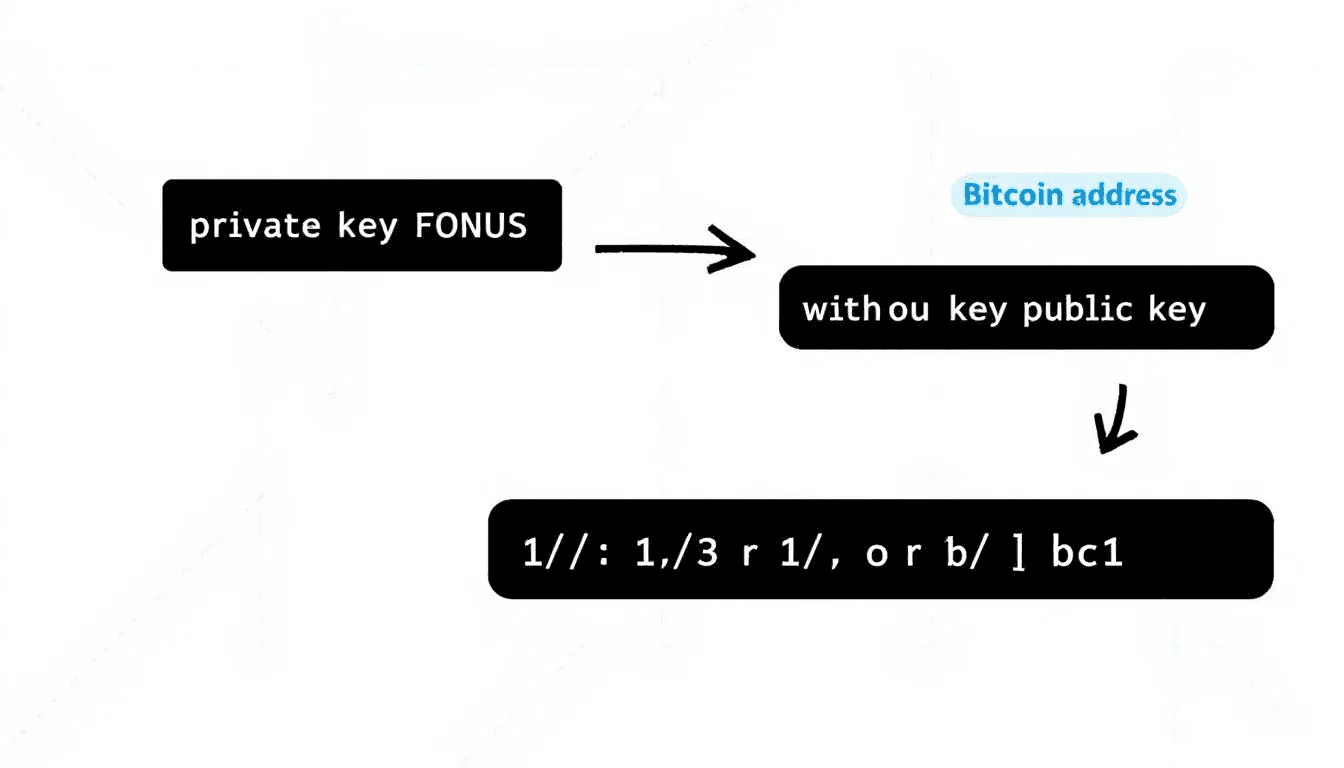
When you want to receive Bitcoin, you share your Bitcoin address with the sender. This public address allows them to create a Bitcoin transaction that “locks” the funds to your address. The Bitcoin network validates this transaction and records it on the blockchain, updating the public ledger to show that specific Bitcoin outputs now belong to your address.
To spend Bitcoin from your address, you must prove ownership by creating a digital signature using your Bitcoin private key. This signature mathematically proves that you control the private key associated with the Bitcoin address, without revealing the private key itself. The Bitcoin network verifies this signature and allows the transaction to proceed.
This cryptographic system ensures that only the holder of the correct private key can spend Bitcoin sent to the corresponding address. The sender’s wallet automatically handles the complex mathematical operations required to create valid transactions, while the Bitcoin network’s nodes verify each transaction’s authenticity before adding it to the blockchain.
The irreversible nature of Bitcoin transactions means that once Bitcoin is sent to an address, only the private key holder can move those funds. This is why securing your private keys is absolutely critical – losing access to your private keys means permanently losing access to any Bitcoin sent to the associated addresses.
Types of Bitcoin Address Formats
The Bitcoin network has evolved significantly since its launch in 2009, introducing new address formats that improve functionality, reduce transaction costs, and enhance security. Today, four main Bitcoin address formats exist, each serving different purposes and offering distinct advantages for Bitcoin transactions.
These different address formats exist because Bitcoin development is a gradual process. Rather than forcing immediate upgrades that could break compatibility, new address types are introduced alongside existing ones. This approach allows users to benefit from enhanced features while maintaining backward compatibility with older wallets and services.
Understanding the various address formats helps you choose the most appropriate option for your needs, whether you prioritize lower transaction fees, enhanced privacy, or compatibility with specific wallet apps and services.
Legacy Addresses (P2PKH)
Legacy addresses, technically known as Pay-to-Public-Key-Hash (P2PKH) addresses, represent the original Bitcoin address format introduced when Bitcoin launched in 2009. These addresses always begin with the number “1” and typically contain 26-35 alphanumeric characters.
A typical legacy address looks like this: 1LMcKyPmwebfygoeZP8E9jAMS2BcgH3Yip
Legacy addresses remain widely supported across all Bitcoin wallet software and cryptocurrency exchanges, making them the most compatible option for receiving Bitcoin. However, they also generate the highest transaction fees when sending Bitcoin, as they don’t benefit from more efficient transaction structures introduced in later address formats.
Despite higher transaction costs, legacy addresses still serve important functions in the Bitcoin ecosystem. Many older wallet apps and services only support legacy addresses, and some users prefer them for their simplicity and universal recognition. The pay to pubkey hash structure is also the most straightforward to understand, making legacy addresses popular for educational purposes.
For users prioritizing maximum compatibility over transaction fee optimization, legacy addresses remain a viable choice. However, most modern wallet applications now default to more efficient address formats while maintaining the ability to receive Bitcoin sent to legacy addresses.
Script Addresses (P2SH)
Script addresses, known technically as Pay-to-Script-Hash (P2SH) addresses, begin with the number “3” and support more complex transaction conditions than simple legacy addresses. Introduced in 2012, these addresses enable advanced features like multi-signature wallets and other complex smart contracts.
A typical script address appears as: 3E13MQrZvPHqSSTsdQaZzZiYPzjEDT5VKE
The key innovation of pay to script hash addresses is their ability to execute custom scripts that define specific conditions for spending Bitcoin. For example, a multi-signature wallet might require signatures from 2 out of 3 private keys before allowing a Bitcoin transaction to proceed. This enhanced flexibility makes script addresses essential for businesses, cryptocurrency exchanges, and individuals requiring additional security measures.
Script addresses also serve as compatibility bridges for SegWit transactions when used with older wallet software. Many wallets that don’t natively support newer address formats can still send Bitcoin to script addresses, which then internally utilize more efficient transaction structures.
The additional rules enabled by script addresses do create slightly larger transaction sizes compared to simple legacy addresses, but they offer significantly more functionality. This trade-off between transaction size and features makes script addresses valuable for users who need enhanced security or specific transaction conditions.
Native SegWit Addresses (P2WPKH)
Native SegWit addresses, technically called Pay-to-Witness-PubKey-Hash (P2WPKH) addresses, start with “bc1q” and represent a major advancement in Bitcoin address technology. Introduced with the Segregated Witness protocol upgrade, these addresses can reduce transaction fees by 30-40% compared to legacy addresses.
A typical native segwit address looks like: bc1qw508d6qejxtdg4y5r3zarvary0c5xw7kv8f3t4
The fee reduction comes from segwit’s more efficient use of blockchain space. By separating transaction signatures from transaction data, segwit addresses pack more transactions into each block while reducing the overall size of individual transactions. This efficiency translates directly into lower fees for users.
Native segwit addresses also feature bech32 encoding, which includes built-in error correcting codes that help prevent mistakes when manually entering addresses. The encoding is case-insensitive and uses only letters and numbers, avoiding potentially confusing characters like “0” and “O” or “1” and “l”.
These addresses offer enhanced security features and better compatibility with the Lightning Network, making them ideal for users who frequently make Bitcoin transactions or want to minimize transaction costs. Most modern wallet apps now generate native segwit addresses by default, though they maintain the ability to receive Bitcoin from all other address types.
Taproot Addresses (P2TR)
Taproot addresses represent the newest Bitcoin address format, introduced in November 2021 with the Taproot protocol upgrade. These addresses start with “bc1p” and offer the most advanced privacy and efficiency features available on the Bitcoin network.
A typical taproot address appears as: bc1p5cyxnuxmeuwuvkwfem96lqzszd02n6xdcjrs20cac6yqjjwudpxqkedrcr
Taproot addresses start with “bc1p” and utilize Schnorr signatures, which provide better privacy by making complex transactions appear identical to simple transactions on the blockchain. This privacy enhancement makes it impossible for outside observers to determine whether a transaction involved multiple parties, complex smart contracts, or simple peer-to-peer transfers.
The pay to taproot format also enables more sophisticated complex smart contracts while using less blockchain space than previous methods. This efficiency improvement reduces transaction costs and helps the Bitcoin network handle more transactions per block, contributing to better overall scalability.
Taproot addresses support advanced features like Bitcoin Ordinals and BRC-20 tokens, making them essential for users interested in newer Bitcoin-based applications. The enhanced privacy and efficiency features position taproot addresses as the preferred choice for users who want cutting-edge Bitcoin functionality.
As wallet software and services continue adopting taproot support, these addresses are becoming increasingly important for users who prioritize privacy, efficiency, and access to the latest Bitcoin network features.
How to Generate and Use Bitcoin Addresses
Modern Bitcoin wallet software automatically handles the complex process of generating new Bitcoin addresses from your wallet’s seed phrase. This automation means you don’t need to understand the underlying cryptographic mathematics to safely generate and use Bitcoin addresses for your transactions.
When you create a new Bitcoin wallet, the software generates a unique seed phrase (typically 12 or 24 words) that mathematically controls an almost unlimited number of potential Bitcoin addresses. Your wallet app uses this seed phrase to generate new addresses whenever you need them, ensuring you can always create a new Bitcoin address for enhanced privacy.
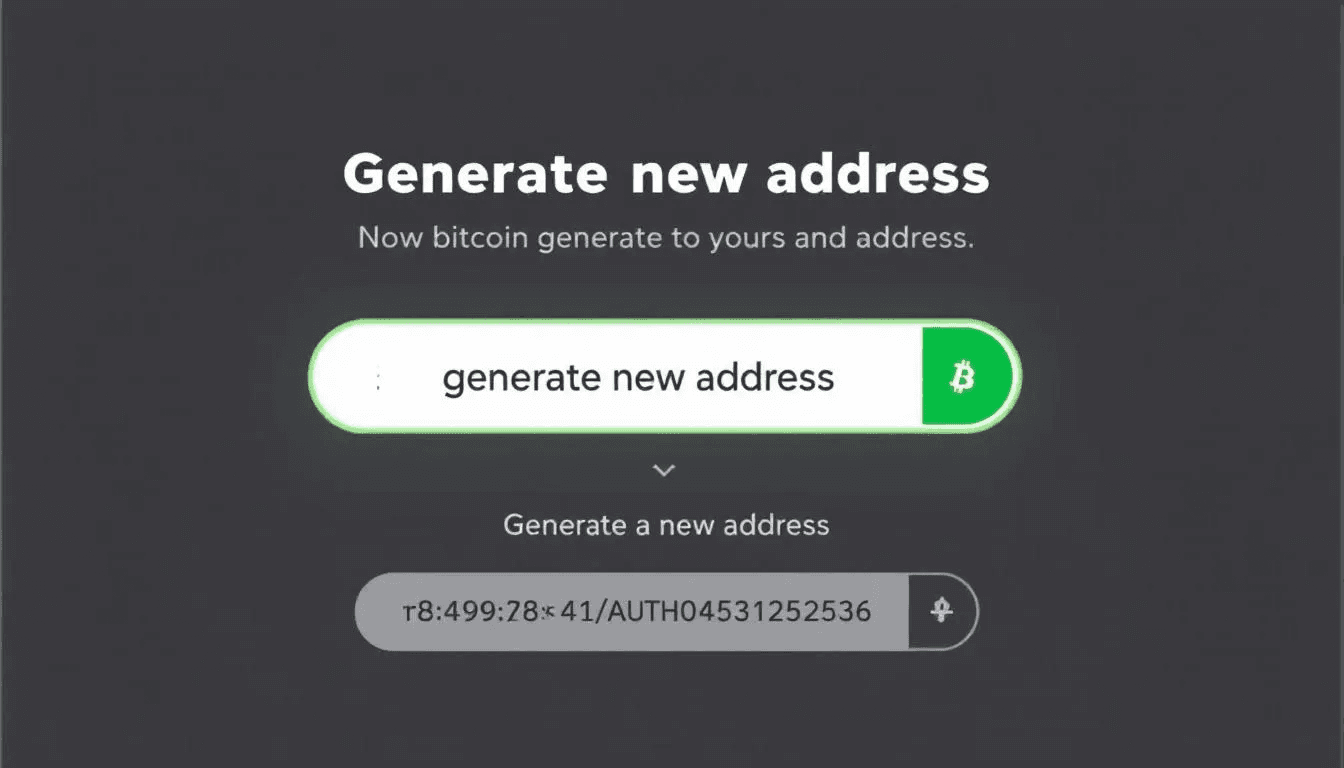
To receive Bitcoin, simply request a new address from your wallet app and share it with the sender. Most wallets display the address both as a text string and as a QR code, making it easy to share accurately. The QR form is particularly useful for in-person transactions, as it eliminates the risk of manual typing errors.
For sending Bitcoin, you’ll need the recipient’s correct address. Always double-check the entire address character by character, as Bitcoin transactions are irreversible. Many users copy and paste addresses to avoid typing mistakes, but it’s still important to verify the first and last few characters of any address before sending funds.
The difference between custodial and non-custodial wallets affects how address generation works. Non-custodial wallets like hardware wallets give you complete control over address generation and private key management. Custodial services like exchanges generate addresses on your behalf but maintain control over the associated private keys.
When using any wallet software, remember that each address can be used multiple times, but best practices recommend generating a new address for each transaction to protect your privacy and prevent transaction linking by blockchain analysis tools.
Bitcoin Address Security and Best Practices
Protecting your Bitcoin addresses and the private keys that control them requires following established security practices that have evolved alongside the Bitcoin network. The irreversible nature of Bitcoin transactions makes prevention the only effective protection against theft or loss.
The most critical security principle is generating a new address for each transaction you receive. Address reuse creates privacy vulnerabilities that allow blockchain analysis tools to link your transactions and potentially reveal your transaction patterns to unwanted observers. Modern wallet apps automatically generate new addresses to protect your privacy without requiring manual intervention.
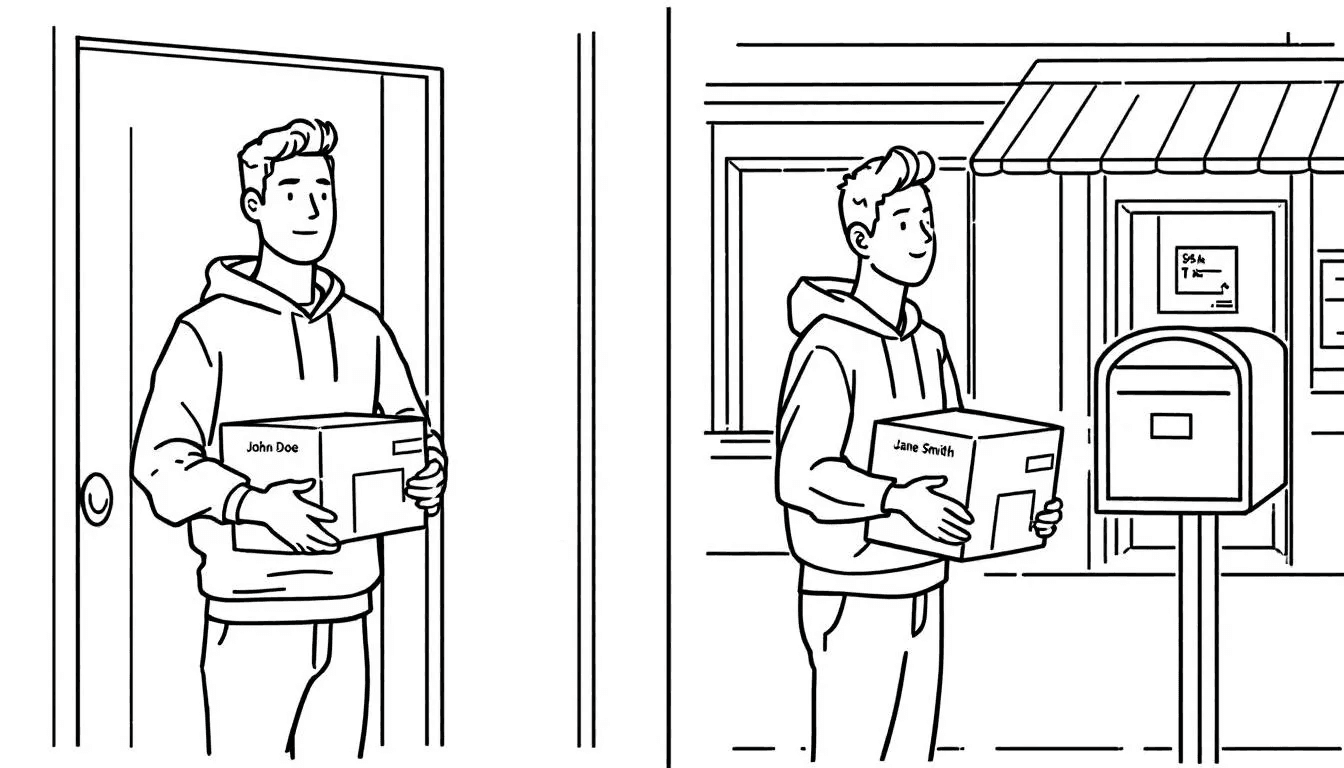
Always verify Bitcoin addresses character by character before sending any funds. Even a single incorrect character will result in Bitcoin being sent to the wrong address, with no possibility of recovery unless you can contact the unintended recipient. Many users verify the first few and last few characters of an address as a practical compromise between thoroughness and convenience.
QR codes provide an excellent way to share Bitcoin addresses accurately while avoiding manual typing errors. When someone needs to send you Bitcoin, generating a QR code from your wallet app eliminates transcription mistakes that could result in lost funds. However, always verify that QR codes display the correct address before sharing them.
Keep your private keys completely separate from your public Bitcoin addresses. Never store private keys in the same location as address lists, and never share private keys with anyone under any circumstances. Your private key acts as the ultimate control mechanism for your Bitcoin – anyone with access to your private key can spend all Bitcoin sent to the corresponding addresses.
Consider using a hardware wallet for storing significant amounts of Bitcoin. These devices keep your private keys isolated from internet-connected computers, dramatically reducing the risk of theft through malware or hacking attempts. Hardware wallets can generate Bitcoin addresses for receiving funds while keeping the associated private keys secure.
Regular backups of your wallet’s seed phrase ensure you can recover access to your Bitcoin addresses even if your primary wallet device fails. Store these backups in multiple secure locations, preferably on paper or metal backup devices that can’t be damaged by electronic failures.
For large transactions, consider performing a small test transaction first to verify the correct address before sending the full amount. This practice costs a small additional transaction fee but provides peace of mind when sending significant amounts of Bitcoin to a new address.
Common Bitcoin Address Questions
Understanding common questions about Bitcoin addresses helps users navigate the practical aspects of using Bitcoin for transactions and address management. These frequently asked questions address real-world scenarios that Bitcoin users encounter regularly.
Are different Bitcoin address formats compatible with each other?
Yes, all Bitcoin address formats can send and receive Bitcoin between each other. You can send Bitcoin from a legacy address to a taproot address, or from a segwit address to a script address, without any compatibility issues. However, some older wallet apps may not support sending to newer address formats like taproot addresses, though this limitation is becoming less common as wallet software updates.
How can I verify if a Bitcoin address is valid?
Bitcoin addresses include built-in checksums that help detect typing errors. Most wallet software automatically validates addresses when you enter them, displaying an error if the address format is incorrect. You can also use blockchain explorers like Blockchair or Blockchain.info to verify that an address exists and check its transaction history.
What’s the difference between Bitcoin addresses and Lightning Network invoices?
Lightning Network invoices are temporary payment requests for Lightning transactions, while Bitcoin addresses are permanent identifiers for on-chain Bitcoin transactions. Lightning invoices typically expire after a set time period and can only be used once, whereas Bitcoin addresses can receive multiple payments and don’t expire.
What happens if I send Bitcoin to an incorrect address?
Bitcoin transactions are irreversible, so sending Bitcoin to an incorrect address typically results in permanent loss of those funds. The Bitcoin will be recorded on the blockchain as sent to the wrong address, but without the corresponding private key, those funds become inaccessible. This is why verifying addresses before sending is crucial.
How do change addresses work in Bitcoin transactions?
When you send Bitcoin, your wallet often needs to use more Bitcoin than the transaction amount (since Bitcoin uses a UTXO model). The excess Bitcoin gets sent back to you via a “change address” that your wallet automatically generates. This change address functions like any other Bitcoin address you control, but it helps maintain privacy by not reusing your original addresses.
Can I use the same Bitcoin address multiple times?
While Bitcoin addresses can technically receive multiple payments, best practices recommend using a new address for each transaction. Address reuse reduces privacy and makes it easier for others to track your transaction history. Modern wallets automatically generate new addresses to protect your privacy.
Why do some Bitcoin addresses look different from others?
Different Bitcoin address formats serve different purposes and were introduced at different times in Bitcoin’s development. The varying formats (starting with 1, 3, bc1q, or bc1p) reflect improvements in efficiency, security, and functionality while maintaining backward compatibility with older addresses.
Bitcoin Address Lookup and Verification Tools
Blockchain explorers provide essential tools for verifying Bitcoin addresses, checking transaction history, and monitoring Bitcoin balance information. These publicly accessible tools help users verify address validity and track the transparent transaction record that makes Bitcoin trustworthy.
Popular blockchain explorers like Blockchair, Blockchain.info, and Mempool.space allow you to search for any Bitcoin address and view its complete transaction history. Simply enter a Bitcoin address into the search field to see all incoming and outgoing transactions, current balance, and other relevant blockchain data.
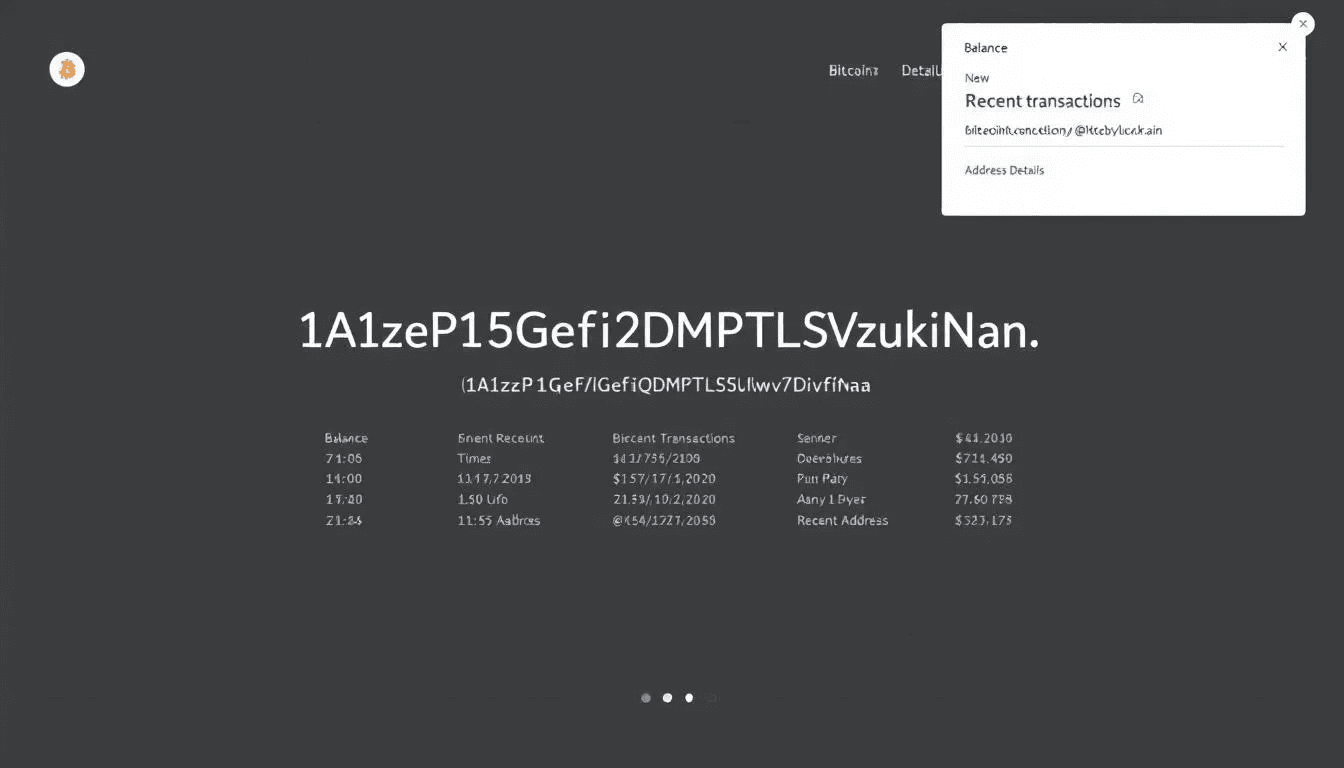
These tools are particularly useful for verifying that an address is valid before sending Bitcoin. If you can find an address in a blockchain explorer, you can be confident that it’s properly formatted and exists on the Bitcoin network. However, just because an address exists doesn’t guarantee that the intended recipient controls it.
Address validation tools can verify the mathematical correctness of Bitcoin addresses without requiring blockchain lookups. These tools check the address format and built-in checksums to confirm that an address follows proper Bitcoin address standards. Many wallets include this validation automatically when you enter addresses.
When using blockchain explorers, remember that all Bitcoin address information is permanently public. Anyone can look up any Bitcoin address and see its complete transaction history, including balance and transaction patterns. This transparency is a fundamental feature of Bitcoin, but it also has privacy implications for address reuse.
For enhanced privacy analysis, some blockchain explorers offer advanced features that attempt to link related addresses and identify transaction patterns. While these tools can be useful for research and verification, they also demonstrate why using new addresses for each transaction is important for maintaining privacy.
Consider using these verification tools as part of your standard security practices when receiving or sending Bitcoin. Checking an address’s transaction history can help you verify that you’re dealing with the intended recipient and understand their transaction patterns before sending funds.
Regular use of blockchain explorers helps you understand how Bitcoin transactions work and gives you confidence in the transparency and verifiability that makes Bitcoin unique among payment systems. These tools transform the abstract concept of blockchain into concrete, visible transaction records that anyone can verify independently.
Conclusion
Bitcoin addresses serve as the essential gateway for participating in the world’s first truly decentralized digital currency system. From the original legacy addresses to the advanced privacy features of taproot addresses, each address format represents evolution in Bitcoin’s ongoing development toward greater efficiency, security, and functionality.
Understanding the different address types empowers you to make informed decisions about transaction costs, privacy protection, and compatibility with various wallet apps and services. Whether you choose native segwit for lower fees, script addresses for multi-signature security, or taproot addresses for enhanced privacy, the key is matching your address choice to your specific needs and priorities.
Most importantly, remember that Bitcoin addresses are only as secure as the private keys that control them. Following best practices like using new addresses for each transaction, verifying addresses before sending funds, and securing your private keys will help you safely navigate the Bitcoin network while protecting your digital assets.
As Bitcoin continues to evolve, new address formats and features will likely emerge, but the fundamental principles of cryptographic security and user control over private keys will remain constant. By mastering these foundational concepts now, you’ll be prepared to adapt to future improvements while maintaining the security and privacy that make Bitcoin revolutionary.