" height="31.469717497114758px" id="eCOXNpv5s" transform="translate(0 8.53)" width="32.43161611406683px"/><path d="M 6.851 1.35 C 6.851 4.361 4.335 6.803 1.23 6.803 L 0 6.803 L 0 5.452 C 0 2.442 2.515 0 5.62 0 L 6.85 0 L 6.85 1.35 Z" fill="rgb(255, 87, 20)" height="6.8031511867128245px" id="yGyYVDzJf" transform="translate(16.216 0)" width="6.851178904096614px"/><path d="M 59.255 11.828 C 59.12 11.828 59.053 11.758 59.053 11.615 L 59.053 0.426 C 59.053 0.285 59.12 0.214 59.255 0.214 L 66.26 0.214 C 66.394 0.214 66.46 0.284 66.46 0.427 L 66.46 1.881 C 66.46 2.022 66.394 2.093 66.26 2.093 L 61.248 2.093 L 61.248 5.054 L 65.821 5.054 C 65.955 5.054 66.022 5.125 66.022 5.268 L 66.022 6.633 C 66.022 6.774 65.955 6.845 65.821 6.845 L 61.248 6.845 L 61.248 9.948 L 66.26 9.948 C 66.394 9.948 66.46 10.019 66.46 10.161 L 66.46 11.616 C 66.46 11.757 66.394 11.828 66.26 11.828 Z M 51.202 12.04 C 50.313 12.04 49.532 11.874 48.861 11.544 C 48.203 11.213 47.662 10.694 47.307 10.054 C 46.942 9.403 46.758 8.606 46.758 7.66 L 46.758 4.38 C 46.758 2.962 47.184 1.88 48.038 1.135 C 48.904 0.378 50.087 0 51.587 0 C 52.661 0 53.563 0.166 54.294 0.497 C 55.037 0.828 55.581 1.289 55.922 1.88 C 56.276 2.459 56.398 3.127 56.287 3.884 C 56.276 4.024 56.202 4.097 56.068 4.097 L 54.295 4.078 C 54.148 4.078 54.081 4.008 54.092 3.866 C 54.117 3.44 54.038 3.079 53.855 2.784 C 53.684 2.477 53.416 2.246 53.05 2.092 C 52.685 1.939 52.215 1.862 51.641 1.862 C 50.751 1.862 50.08 2.074 49.629 2.5 C 49.178 2.914 48.953 3.559 48.953 4.433 L 48.953 7.607 C 48.953 8.494 49.172 9.143 49.612 9.558 C 50.062 9.971 50.727 10.178 51.605 10.178 C 52.459 10.178 53.111 9.989 53.562 9.611 C 54.014 9.22 54.239 8.659 54.239 7.926 L 54.239 7.359 L 51.77 7.359 C 51.623 7.359 51.55 7.288 51.55 7.146 L 51.55 5.958 C 51.55 5.828 51.623 5.762 51.77 5.762 L 56.123 5.762 C 56.257 5.762 56.325 5.828 56.325 5.958 L 56.325 9.22 C 56.325 9.622 56.331 10.031 56.343 10.444 C 56.367 10.858 56.41 11.242 56.471 11.597 C 56.495 11.667 56.483 11.728 56.434 11.774 C 56.395 11.81 56.342 11.829 56.288 11.827 L 54.86 11.827 C 54.809 11.83 54.758 11.817 54.714 11.792 C 54.674 11.751 54.643 11.703 54.623 11.65 C 54.594 11.479 54.569 11.308 54.549 11.136 L 54.512 10.55 L 54.476 10.55 C 54.265 10.862 53.998 11.132 53.69 11.348 C 53.364 11.583 52.998 11.757 52.61 11.863 C 52.151 11.986 51.677 12.046 51.201 12.04 Z M 34.943 11.828 C 34.809 11.828 34.742 11.758 34.742 11.615 L 34.742 0.426 C 34.742 0.285 34.809 0.214 34.943 0.214 L 37.541 0.214 C 37.662 0.214 37.748 0.261 37.797 0.355 L 40.741 6.119 C 40.949 6.508 41.138 6.886 41.309 7.253 C 41.63 7.897 41.923 8.553 42.187 9.222 L 42.241 9.222 C 42.217 8.903 42.199 8.559 42.186 8.193 L 42.15 7.059 L 42.15 0.427 C 42.15 0.285 42.217 0.214 42.352 0.214 L 44.071 0.214 C 44.217 0.214 44.29 0.284 44.29 0.427 L 44.29 11.616 C 44.29 11.757 44.217 11.828 44.071 11.828 L 41.509 11.828 C 41.388 11.828 41.303 11.781 41.254 11.686 L 38.4 6.119 C 38.215 5.759 38.032 5.399 37.852 5.037 C 37.683 4.664 37.513 4.291 37.34 3.92 C 37.189 3.57 37.036 3.222 36.882 2.873 L 36.827 2.873 L 36.864 3.99 C 36.876 4.369 36.882 4.747 36.882 5.125 L 36.882 11.615 C 36.882 11.757 36.809 11.828 36.663 11.828 Z M 22.818 11.828 C 22.659 11.828 22.598 11.752 22.635 11.597 L 26.586 0.373 C 26.622 0.267 26.701 0.213 26.823 0.213 L 29.164 0.213 C 29.299 0.213 29.384 0.267 29.421 0.373 L 33.389 11.597 C 33.439 11.752 33.383 11.828 33.225 11.828 L 31.286 11.828 C 31.165 11.828 31.085 11.775 31.048 11.668 L 28.689 4.381 C 28.567 3.99 28.446 3.607 28.324 3.228 L 27.994 2.057 L 27.957 2.057 C 27.848 2.436 27.732 2.82 27.609 3.21 C 27.5 3.589 27.384 3.967 27.262 4.344 L 24.958 11.65 C 24.921 11.769 24.837 11.828 24.702 11.828 L 22.817 11.828 Z M 25.323 9.399 L 25.744 7.661 L 30.189 7.661 L 30.628 9.399 Z M 12.919 11.828 C 12.784 11.828 12.717 11.758 12.717 11.615 L 12.717 0.426 C 12.717 0.285 12.784 0.214 12.919 0.214 L 16.76 0.214 C 18.333 0.214 19.479 0.509 20.199 1.1 C 20.918 1.68 21.278 2.531 21.278 3.654 C 21.278 4.47 21.083 5.161 20.692 5.728 C 20.314 6.284 19.748 6.668 18.992 6.881 L 18.992 6.917 L 21.936 11.58 C 21.986 11.65 21.992 11.711 21.954 11.757 C 21.93 11.805 21.875 11.828 21.79 11.828 L 19.76 11.828 C 19.655 11.831 19.556 11.777 19.504 11.686 L 16.742 7.201 L 14.912 7.201 L 14.912 11.616 C 14.912 11.757 14.839 11.828 14.694 11.828 Z M 14.912 5.516 L 16.669 5.516 C 17.51 5.516 18.119 5.374 18.497 5.09 C 18.887 4.806 19.083 4.351 19.083 3.725 C 19.083 3.11 18.906 2.672 18.553 2.413 C 18.198 2.152 17.601 2.022 16.759 2.022 L 14.912 2.022 L 14.912 5.515 Z M 5.412 12.04 C 3.804 12.04 2.596 11.668 1.791 10.923 C 0.986 10.166 0.585 9.084 0.585 7.678 L 0.585 4.362 C 0.585 2.943 0.986 1.862 1.791 1.117 C 2.596 0.372 3.804 0 5.413 0 C 7.01 0 8.211 0.372 9.016 1.117 C 9.821 1.862 10.223 2.943 10.223 4.362 L 10.223 7.678 C 10.223 9.084 9.821 10.167 9.017 10.923 C 8.211 11.667 7.01 12.04 5.413 12.04 Z M 5.412 10.178 C 6.279 10.178 6.931 9.959 7.37 9.522 C 7.809 9.073 8.029 8.423 8.029 7.572 L 8.029 4.469 C 8.029 3.618 7.809 2.974 7.37 2.536 C 6.931 2.086 6.279 1.862 5.413 1.862 C 4.546 1.862 3.889 2.086 3.437 2.536 C 2.999 2.974 2.778 3.618 2.778 4.469 L 2.778 7.572 C 2.778 8.423 2.999 9.073 3.437 9.522 C 3.889 9.959 4.548 10.178 5.413 10.178 Z M 59.488 25.96 C 59.38 25.96 59.326 25.905 59.326 25.796 L 59.326 15.351 C 59.326 15.241 59.38 15.187 59.488 15.187 L 61.849 15.187 C 63.197 15.187 64.205 15.565 64.874 16.321 C 65.542 17.068 65.877 18.203 65.877 19.726 L 65.877 21.026 C 65.877 22.682 65.548 23.921 64.891 24.743 C 64.233 25.555 63.235 25.96 61.898 25.96 Z M 60.863 24.545 L 61.8 24.545 C 62.674 24.545 63.316 24.266 63.726 23.707 C 64.136 23.148 64.34 22.27 64.34 21.075 L 64.34 19.677 C 64.34 18.635 64.136 17.862 63.726 17.359 C 63.316 16.854 62.664 16.601 61.768 16.601 L 60.863 16.601 L 60.863 24.546 Z M 50.762 25.96 C 50.664 25.96 50.616 25.905 50.616 25.796 L 50.616 15.351 C 50.616 15.241 50.664 15.187 50.762 15.187 L 53.285 15.187 C 54.396 15.187 55.215 15.439 55.743 15.944 C 56.272 16.447 56.535 17.215 56.535 18.246 C 56.535 19.036 56.396 19.677 56.115 20.171 C 55.858 20.644 55.44 21.011 54.935 21.207 L 54.935 21.223 L 56.972 25.746 C 57.037 25.889 57 25.96 56.86 25.96 L 55.468 25.96 C 55.393 25.96 55.338 25.922 55.306 25.845 L 53.398 21.486 L 52.154 21.486 L 52.154 25.796 C 52.154 25.906 52.105 25.96 52.008 25.96 L 50.763 25.96 Z M 52.153 20.154 L 53.253 20.154 C 53.867 20.154 54.309 20.006 54.578 19.71 C 54.848 19.414 54.984 18.953 54.984 18.328 C 54.984 17.692 54.848 17.242 54.578 16.979 C 54.309 16.716 53.878 16.585 53.285 16.585 L 52.153 16.585 Z M 41.428 25.96 C 41.32 25.96 41.282 25.9 41.315 25.78 L 43.983 15.318 C 44.006 15.231 44.064 15.187 44.162 15.187 L 45.828 15.187 C 45.914 15.187 45.973 15.231 46.005 15.317 L 48.706 25.78 C 48.727 25.9 48.685 25.96 48.577 25.96 L 47.202 25.96 C 47.137 25.96 47.084 25.916 47.04 25.829 L 45.455 18.92 C 45.369 18.56 45.289 18.198 45.213 17.835 C 45.138 17.473 45.062 17.106 44.987 16.732 L 44.954 16.732 C 44.889 17.106 44.819 17.473 44.743 17.835 C 44.668 18.187 44.592 18.548 44.517 18.92 L 42.932 25.829 C 42.911 25.916 42.851 25.96 42.754 25.96 Z M 43.207 23.526 L 43.482 22.178 L 46.458 22.178 L 46.765 23.526 L 43.208 23.526 Z M 33.5 25.96 C 33.391 25.96 33.338 25.905 33.338 25.796 L 33.338 15.351 C 33.338 15.241 33.391 15.187 33.5 15.187 L 35.861 15.187 C 37.209 15.187 38.217 15.565 38.886 16.321 C 39.554 17.068 39.889 18.203 39.889 19.726 L 39.889 21.026 C 39.889 22.682 39.559 23.921 38.902 24.743 C 38.244 25.555 37.247 25.96 35.909 25.96 Z M 34.874 24.545 L 35.813 24.545 C 36.686 24.545 37.328 24.266 37.737 23.707 C 38.147 23.148 38.351 22.27 38.351 21.075 L 38.351 19.677 C 38.351 18.635 38.147 17.862 37.737 17.359 C 37.328 16.854 36.675 16.601 35.78 16.601 L 34.874 16.601 L 34.874 24.546 Z M 24.031 25.96 C 23.934 25.96 23.885 25.905 23.885 25.796 L 23.885 15.351 C 23.885 15.241 23.934 15.187 24.031 15.187 L 25.858 15.187 C 25.955 15.187 26.015 15.225 26.036 15.301 L 28.091 21.059 C 28.209 21.366 28.322 21.695 28.43 22.045 C 28.549 22.397 28.656 22.737 28.755 23.066 C 28.862 23.383 28.947 23.679 29.012 23.953 L 29.061 23.953 C 29.037 23.619 29.015 23.284 28.996 22.949 L 28.964 21.832 L 28.964 15.351 C 28.964 15.241 29.012 15.187 29.109 15.187 L 30.306 15.187 C 30.404 15.187 30.452 15.241 30.452 15.351 L 30.452 25.796 C 30.452 25.906 30.404 25.96 30.306 25.96 L 28.495 25.96 C 28.419 25.96 28.36 25.922 28.317 25.845 L 26.311 20.253 C 26.121 19.736 25.943 19.215 25.778 18.69 C 25.638 18.201 25.492 17.713 25.341 17.226 L 25.309 17.226 C 25.319 17.544 25.325 17.901 25.325 18.296 L 25.357 19.447 C 25.368 19.83 25.374 20.193 25.374 20.532 L 25.374 25.796 C 25.374 25.906 25.325 25.96 25.228 25.96 Z M 14.698 25.96 C 14.589 25.96 14.552 25.9 14.584 25.78 L 17.253 15.318 C 17.274 15.231 17.334 15.187 17.431 15.187 L 19.097 15.187 C 19.183 15.187 19.242 15.231 19.275 15.317 L 21.975 25.78 C 21.998 25.9 21.954 25.96 21.847 25.96 L 20.471 25.96 C 20.407 25.96 20.353 25.916 20.309 25.829 L 18.724 18.92 C 18.639 18.56 18.558 18.198 18.482 17.835 C 18.407 17.473 18.331 17.106 18.256 16.732 L 18.224 16.732 C 18.159 17.106 18.089 17.473 18.013 17.835 C 17.938 18.187 17.862 18.548 17.787 18.92 L 16.202 25.829 C 16.18 25.916 16.121 25.96 16.023 25.96 Z M 16.476 23.526 L 16.752 22.178 L 19.728 22.178 L 20.035 23.526 L 16.477 23.526 Z M 10.267 25.96 C 10.17 25.96 10.122 25.905 10.122 25.796 L 10.122 16.619 L 7.97 16.619 C 7.874 16.619 7.825 16.559 7.825 16.438 L 7.825 15.353 C 7.825 15.242 7.874 15.188 7.97 15.188 L 13.81 15.188 C 13.906 15.188 13.955 15.242 13.955 15.353 L 13.955 16.437 C 13.955 16.558 13.906 16.618 13.81 16.618 L 11.658 16.618 L 11.658 25.797 C 11.658 25.907 11.609 25.961 11.512 25.961 L 10.267 25.961 Z M 2.948 26.093 C 1.848 26.093 1.061 25.807 0.587 25.237 C 0.123 24.667 -0.066 23.91 0.02 22.967 C 0.03 22.814 0.085 22.737 0.182 22.737 L 1.378 22.737 C 1.487 22.737 1.54 22.814 1.54 22.968 C 1.498 23.548 1.6 23.987 1.848 24.282 C 2.107 24.568 2.495 24.711 3.013 24.711 C 3.52 24.711 3.892 24.595 4.128 24.365 C 4.366 24.135 4.485 23.773 4.485 23.28 C 4.485 23.027 4.452 22.802 4.387 22.605 C 4.32 22.403 4.209 22.218 4.063 22.062 C 3.897 21.877 3.7 21.721 3.481 21.602 L 1.751 20.566 C 1.169 20.204 0.743 19.803 0.473 19.365 C 0.215 18.915 0.09 18.367 0.101 17.72 C 0.111 16.854 0.355 16.195 0.829 15.746 C 1.314 15.285 2.015 15.055 2.932 15.055 C 3.946 15.055 4.706 15.324 5.212 15.861 C 5.729 16.387 5.945 17.134 5.859 18.099 C 5.838 18.263 5.784 18.345 5.697 18.345 L 4.469 18.345 C 4.361 18.345 4.317 18.263 4.34 18.098 C 4.383 17.582 4.281 17.183 4.033 16.898 C 3.796 16.602 3.44 16.453 2.965 16.453 C 2.545 16.453 2.222 16.558 1.995 16.766 C 1.769 16.963 1.655 17.27 1.655 17.687 C 1.645 18.071 1.72 18.389 1.881 18.64 C 2.043 18.882 2.313 19.112 2.69 19.333 L 4.372 20.351 C 4.782 20.592 5.105 20.851 5.343 21.124 C 5.59 21.388 5.769 21.695 5.876 22.046 C 5.985 22.385 6.038 22.797 6.038 23.28 C 6.038 24.168 5.79 24.858 5.294 25.352 C 4.798 25.846 4.016 26.092 2.949 26.092 Z" fill="rgb(23, 23, 23)" height="26.09262957451628px" id="G_jsIAzLG" transform="translate(40.54 11.039)" width="66.46047841033874px"/></g></svg>)
" height="31.469717497114758px" id="nxleYtm6x" transform="translate(1 8.53)" width="32.43161611406683px"/><path d="M 6.851 1.35 C 6.851 4.361 4.335 6.803 1.23 6.803 L 0 6.803 L 0 5.452 C 0 2.442 2.515 0 5.62 0 L 6.85 0 L 6.85 1.35 Z" fill="rgb(255, 87, 20)" height="6.8031511867128245px" id="ZZ56pTyUM" transform="translate(17.216 0)" width="6.851178904096614px"/></svg>)
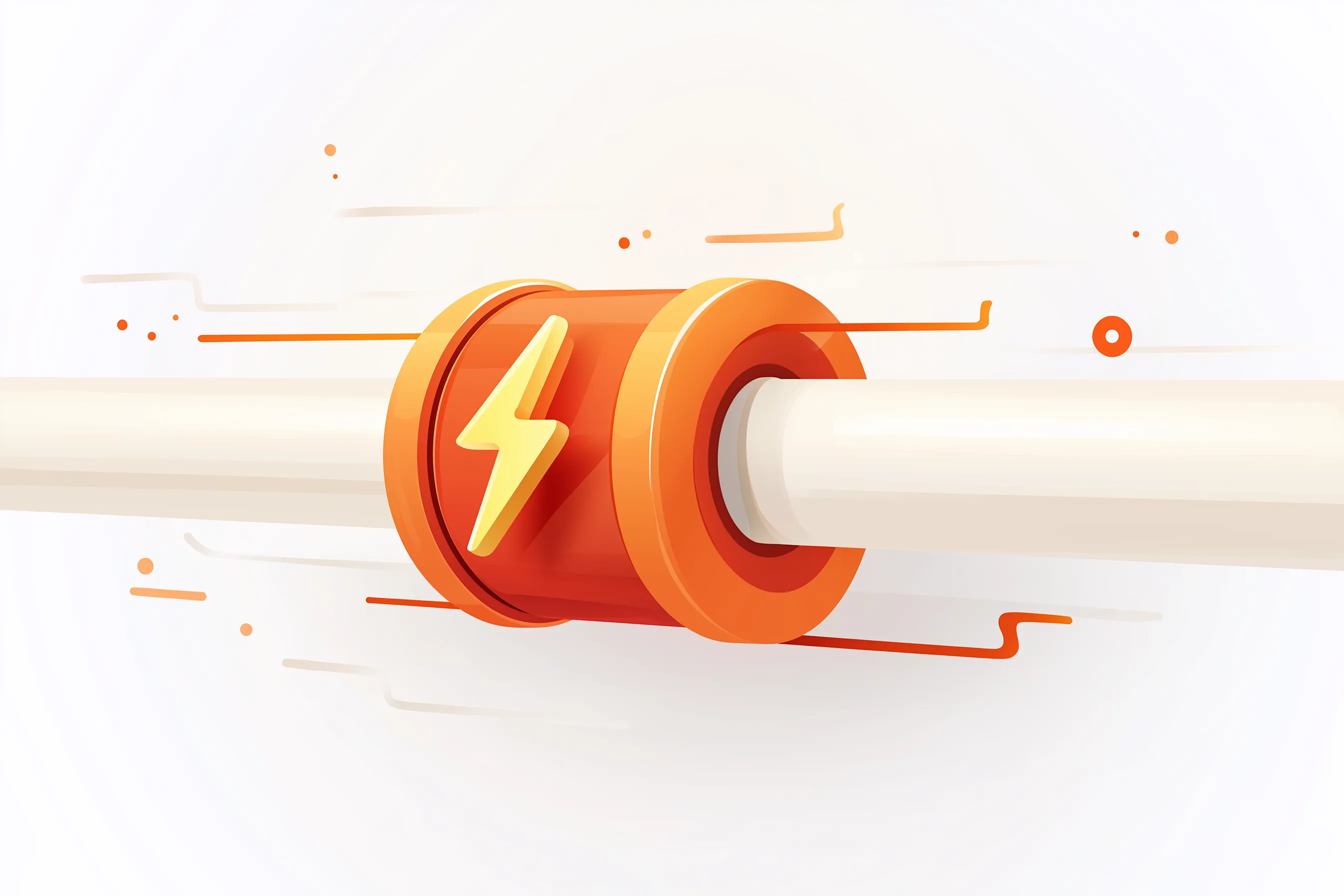
Bitcoin’s meteoric rise in popularity has created an unexpected challenge: the very success of the network has highlighted its scalability limitations. With only seven transactions per second and confirmation times averaging 10 minutes, the bitcoin network struggles to handle the growing demand for fast, affordable digital payments. Enter lightning channels - an innovative solution that promises to transform how we think about bitcoin transactions.
Lightning channels represent a groundbreaking approach to scaling Bitcoin’s payment system without compromising its security or decentralization. By enabling instant, low-cost transactions through off chain payment channels, this technology addresses many of Bitcoin’s current limitations while opening up entirely new use cases for digital money.
In this comprehensive guide, we’ll explore exactly what lightning channels are, how they work, their key benefits, and practical applications. Whether you’re a Bitcoin enthusiast looking to understand the lightning network better or a business considering Bitcoin payments, this article will provide you with the knowledge you need to navigate this exciting technology.
Lightning Channels Explained
A lightning channel is essentially a private payment pathway between two parties on Bitcoin’s Lightning Network. Think of it as a direct tunnel between two bitcoin users that allows them to exchange funds instantly without involving the main blockchain for every single transaction.
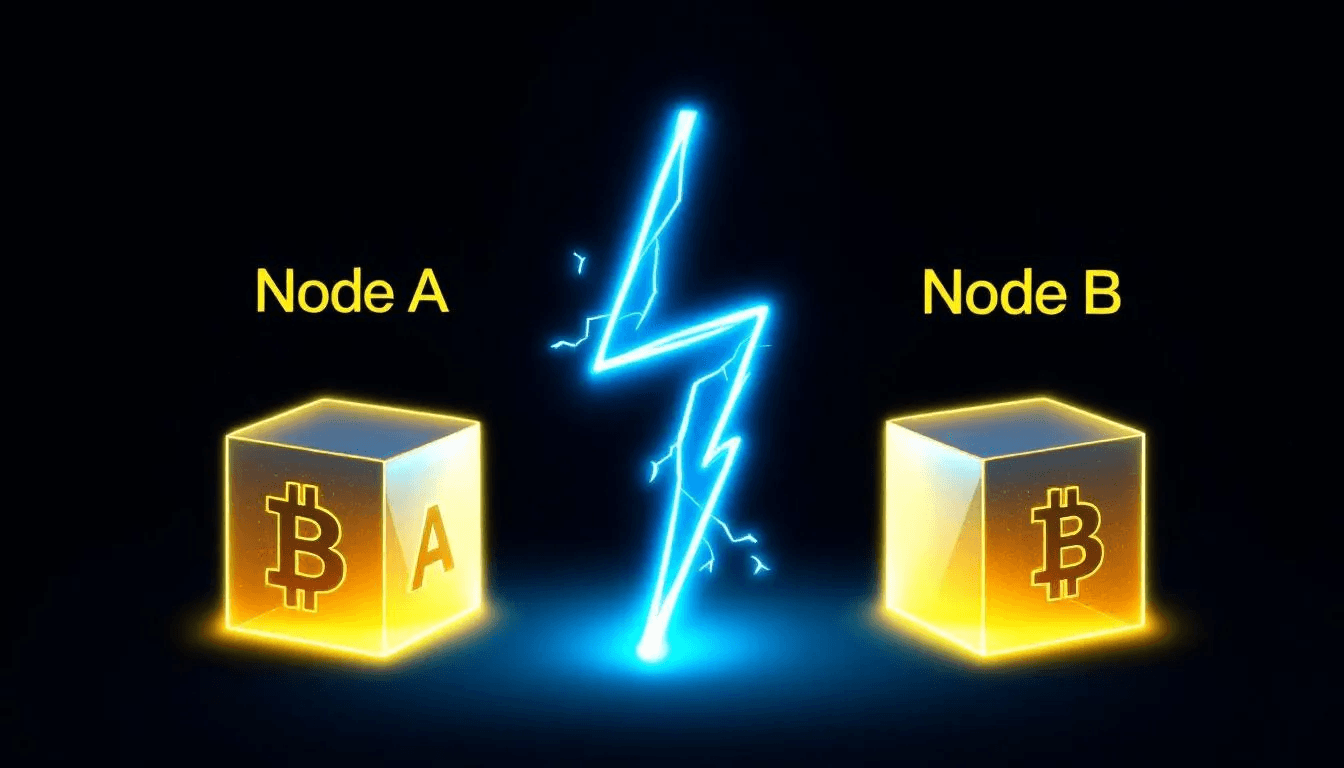
These payment channels enable unlimited off-chain transactions between the connected parties. Once a channel is established, users can send bitcoin back and forth as many times as they want, with only the opening and final closing transaction appearing on the bitcoin blockchain. This approach dramatically reduces the burden on the main network while providing users with instant payment capabilities.
Lightning channels solve Bitcoin’s scalability issues by processing payments instantly at minimal cost. While the bitcoin network can only handle a limited number of transactions per second due to its block size and timing constraints, lightning channels can process thousands of transactions per second between connected parties. Each lightning channel connects two lightning network nodes through a multisignature address, creating a secure environment for rapid bitcoin transfers.
The beauty of this system lies in its simplicity and security. Users maintain full control over their funds throughout the entire process, and the underlying bitcoin blockchain ensures that all transactions remain secure and verifiable. This combination of speed, cost-effectiveness, and security makes lightning channels an attractive solution for both individual users and businesses looking to accept bitcoin payments.
How Lightning Channels Work
Understanding how lightning channels operate requires examining their three-phase lifecycle: opening, conducting transactions, and closing. Each phase involves specific technical processes that ensure security while maintaining the speed and efficiency that makes the lightning network so powerful.
Opening a Lightning Channel
The process begins when two parties decide to create a lightning channel between their respective nodes. They start by creating a multisignature bitcoin transaction that locks a predetermined amount of funds on the blockchain. This opening transaction, also known as the funding transaction, establishes the channel’s maximum capacity - for example, 0.1 BTC.
Both parties must contribute funds to open the channel, though the amounts don’t need to be equal. The total amount determines how much bitcoin can be transacted within the channel throughout its lifetime. Both parties control the locked funds through their private keys, ensuring that neither party can steal funds or manipulate the channel without the other’s consent.
The channel funding determines not only the maximum amount that can be transacted but also the initial balance distribution. If Alice contributes 0.06 BTC and Bob contributes 0.04 BTC to create a 0.1 BTC channel, Alice starts with the ability to send up to 0.06 BTC to Bob, while Bob can send up to 0.04 BTC to Alice.
Conducting Off-Chain Transactions
Once the channel is open and confirmed on the blockchain, parties can begin exchanging lightning invoices to initiate payments within the channel. These off chain transactions happen almost instantaneously, with each payment updating the balance distribution between the two parties without requiring blockchain confirmation.
Every transaction within the channel requires digital signatures from both parties to ensure security. This cryptographic approach prevents fraud while maintaining the speed that makes lightning payments so attractive. The transaction history is maintained locally by both channel participants, creating a complete record of all payments made through the channel.
Multiple transactions can occur rapidly within a single channel. Alice might send Bob 0.01 BTC for a coffee purchase, then Bob might send Alice 0.005 BTC as a tip - all happening within seconds and updating their respective channel balances accordingly. These transactions carry minimal fees compared to on chain transactions, making even micropayments economically viable.
The current state of the channel reflects the most recent balance distribution. This state is continuously updated with each new payment, but only the participants know the exact balance at any given moment. The lightning protocol ensures that both parties always have an accurate, synchronized view of their channel’s current state.
Closing Lightning Channels
When parties decide to close a lightning channel, they broadcast the final balance state to the bitcoin blockchain. This closing transaction distributes the locked funds according to the latest channel state, with each party receiving their bitcoin share based on all the transactions that occurred within the channel.
Cooperative closure represents the ideal scenario, where both parties agree to close the channel and settle quickly and cheaply. In this case, they can create and broadcast a mutual closing transaction that efficiently settles their final balances with minimal fees and immediate confirmation.
However, the lightning network also supports force closure, which enables unilateral channel termination. If one party becomes unresponsive or refuses to cooperate, the other party can close the channel independently. Force closures include time delays for security purposes, giving the other party an opportunity to respond if fraud is attempted.
The closing process ensures that the final balance accurately reflects all legitimate transactions that occurred within the channel. Through clever cryptographic mechanisms, the lightning protocol prevents either party from attempting to broadcast an outdated channel state that would give them an unfair advantage.
Key Benefits of Lightning Channels
Lightning channels offer several compelling advantages that make them an attractive solution for bitcoin payments. These benefits address many of the current limitations of the bitcoin network while opening up new possibilities for digital commerce and micropayments.
Instant Transaction Speed
One of the most significant advantages of lightning channels is their ability to process payments in milliseconds rather than waiting for bitcoin’s traditional 10-minute block confirmations. This instant settlement capability transforms bitcoin from a primarily store-of-value asset into a practical medium of exchange for everyday transactions.
No waiting for blockchain confirmations enables real-time payment experiences that rival traditional payment systems like credit cards or mobile payment apps. This speed makes bitcoin viable for point-of-sale transactions, online purchases, and any scenario where immediate payment confirmation is essential.
The instant nature of lightning payments also opens up entirely new use cases. Streaming payments, where tiny amounts of bitcoin are sent continuously in real-time, become possible when transactions settle instantly. This capability enables innovative business models like pay-per-second content consumption or real-time micropayment streams.
Significantly Lower Fees
Lightning channel transactions cost fractions of a penny compared to traditional bitcoin network fees, which can range from $1 to $50 during periods of high network congestion. Routing fees typically range from 0.01% to 1% of transaction amounts, making even very small payments economically viable.
These reduced fees enable entirely new categories of transactions that would be impossible with traditional bitcoin payments. Micropayments under $1 become practical, opening up opportunities for content monetization, API usage billing, and micro-tipping that weren’t economically feasible before.
The cost savings are particularly significant for businesses that process many small transactions. A coffee shop accepting bitcoin payments through lightning channels can avoid the high fees associated with traditional payment processors while offering customers a fast, secure payment method.
Lower fees also make bitcoin more accessible to users in developing countries or those making frequent small transactions. The economic barriers to using bitcoin are dramatically reduced when transaction costs drop to negligible levels.
Enhanced Scalability
Lightning channels handle thousands of transactions per second versus bitcoin’s current limit of seven transactions per second. This massive improvement in throughput addresses one of the most pressing concerns about bitcoin’s ability to scale as a global payment system.
The network reduces blockchain congestion by moving frequent payments off-chain. Instead of every coffee purchase or tip requiring a blockchain transaction, these payments can occur instantly through lightning channels, leaving the main blockchain free to handle larger, less frequent transactions.
Network capacity grows with each new channel without placing additional burden on the blockchain. As more users open lightning channels, the total capacity of the network increases exponentially, creating a scalable payment system that can theoretically handle millions of transactions per second across the entire network.
This scalability enables bitcoin to compete with traditional payment networks like Visa or Mastercard in terms of transaction throughput, while maintaining bitcoin’s core advantages of decentralization and censorship resistance.
Improved Privacy
Off-chain transactions remain private between channel participants, providing enhanced privacy compared to traditional bitcoin transactions where all amounts and addresses are visible on the public blockchain. Only opening and closing amounts are visible on the public blockchain, while the details of individual payments within the channel remain confidential.
Payment routing through multiple channels further obscures transaction paths. When payments are routed through several intermediate channels to reach their destination, it becomes extremely difficult for outside observers to track the original sender or final recipient of funds.
This enhanced privacy makes lightning channels attractive for users who value financial privacy while still benefiting from bitcoin’s security and decentralization. The privacy improvements are achieved without compromising the underlying security model that makes bitcoin trustworthy.
Technical Considerations
While lightning channels offer significant benefits, they also introduce technical complexities that users must understand to use the system effectively. These considerations are important for anyone planning to use lightning channels regularly or integrate them into business operations.
Channel Capacity and Liquidity
Channel capacity represents the total amount of bitcoin locked in a channel, which limits the maximum single payment amount that can be sent through that channel. If a channel has a capacity of 0.1 BTC, no single payment can exceed that amount, regardless of how much bitcoin each party controls outside the channel.
Outbound liquidity determines how much you can send to your channel partner at any given moment. This depends on your current balance within the channel and decreases with each payment you send. If you start with 0.06 BTC in a shared channel and send 0.03 BTC to your partner, your outbound liquidity drops to 0.03 BTC.
Inbound liquidity affects how much you can receive from others through the lightning network. To receive payments, you need channels where the other party has bitcoin available to send to you. This can be challenging for new users who primarily want to receive payments rather than send them.
Liquidity rebalancing may require additional channels or submarine swaps to maintain the ability to both send and receive payments effectively. Users often need to actively manage their lightning channels to ensure they have appropriate liquidity in both directions.
Payment Routing
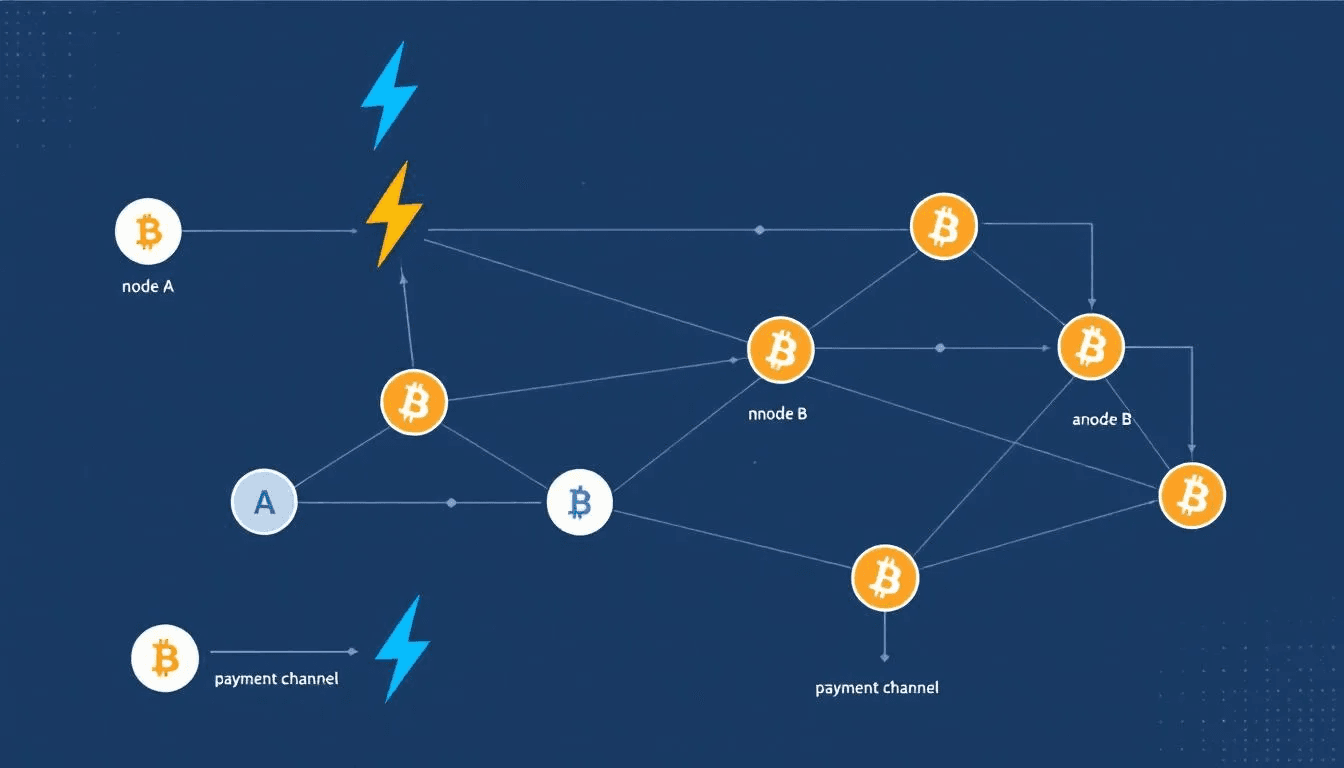
The lightning network routes payments through interconnected channels automatically, enabling transactions between parties who don’t have direct channels with each other. This routing capability is what transforms individual channels into a cohesive payment network.
Multi-hop payments enable transactions without direct channel connections by finding paths through intermediate nodes. For example, if Alice wants to pay Carol but only has a channel with Bob, who has a channel with Carol, the payment can route through Bob’s node to reach Carol.
Routing algorithms find optimal paths considering factors like available liquidity, routing fees, and channel reliability. The network’s ability to find efficient routes depends on having well-connected nodes with sufficient liquidity to facilitate payments.
The network topology significantly affects payment reliability and routing success rates. Payments are more likely to succeed when there are multiple possible routes and when intermediate nodes maintain adequate liquidity. This creates incentives for users to establish multiple channels and for professional node operators to provide routing services.
Common Use Cases
Lightning channels enable a wide variety of practical applications that take advantage of instant, low-cost bitcoin transactions. These use cases demonstrate the real-world potential of the lightning network and provide concrete examples of how the technology benefits users.
Micropayments and Content Monetization
Streaming sats to podcasters represents one of the most innovative applications of lightning channels. Listeners can automatically send tiny amounts of bitcoin - perhaps 1 satoshi per minute listened - directly to content creators in real-time. This creates a new revenue model where creators are paid continuously as their content is consumed.
Content creators can monetize their work by charging 10-100 sats for premium article access or ad-free browsing experiences. These micropayments are small enough that users don’t mind paying them but can add up to meaningful revenue for creators. The instant settlement and low fees make these small transactions economically viable.
Tipping social media content creators with sub-dollar amounts becomes practical through lightning channels. Users can easily send a few cents to reward particularly good content, creating a direct economic relationship between creators and their audiences without relying on advertising or platform-mediated monetization.
Merchant and E-commerce Payments
Coffee shops and other retail businesses can accept bitcoin payments that settle instantly without the high fees associated with traditional credit card processing. Lightning payments enable merchants to receive payments immediately while avoiding the 2-3% fees charged by credit card companies.
Online shopping with bitcoin becomes more practical when payments are processed through lightning channels. Customers can complete purchases instantly without waiting for blockchain confirmations, creating a user experience that rivals traditional payment methods while providing the benefits of bitcoin ownership.
Subscription services can collect recurring payments automatically through lightning channels. Instead of maintaining credit card payment information or dealing with payment processor complexities, businesses can establish lightning channels with customers and collect payments as needed.
Gaming and Digital Services
In-game purchases and rewards using bitcoin micropayments create new possibilities for game monetization and player rewards. Players can earn tiny amounts of bitcoin for achievements or spend small amounts on in-game items, creating a real-money economy within games.
API usage billing at sub-cent rates becomes practical for developers when lightning channels handle the payment processing. Instead of charging minimum amounts or batching usage bills, services can charge users precisely for what they consume, even if it’s just fractions of a cent.
IoT devices can make autonomous payments for bandwidth, storage, or computing resources using lightning channels. This enables machine-to-machine payments that were previously impossible due to high transaction costs and slow settlement times.
Challenges and Limitations
While lightning channels offer significant advantages, the technology also faces important challenges and limitations that users should understand before adopting the system. These issues highlight areas where the lightning network continues to evolve and improve.
Technical Complexity
Channel management requires understanding of capacity, liquidity, and network topology that can be challenging for average users. Unlike simple bitcoin transactions, managing lightning channels effectively requires ongoing attention to ensure adequate liquidity and channel health.
Users must monitor their channels to prevent force closures and potential fund loss. If a channel partner becomes unresponsive or attempts fraud, users need to be prepared to take protective action. This monitoring requirement adds complexity compared to simply holding bitcoin in a wallet.
Backup procedures are critical for recovering lightning wallets, as the loss of channel state information can result in lost funds. Users must understand and implement proper backup strategies that go beyond traditional bitcoin wallet security measures.
The learning curve for effective lightning channel management can be steep for non-technical users. While user interfaces continue to improve, the underlying complexity means that lightning channels may not be suitable for all bitcoin users, at least not without significant simplification.
Liquidity Requirements
Channels require upfront bitcoin investment to establish payment capacity, which can be a barrier for users who want to receive payments but don’t have significant bitcoin holdings. This creates a chicken-and-egg problem where users need bitcoin to use lightning channels effectively.
Liquidity imbalances can prevent successful payment routing through the network. If channels become unbalanced, with most funds concentrated on one side, they become less useful for facilitating payments. Managing these imbalances requires ongoing attention and potentially additional transactions.
Managing multiple channels increases complexity for regular users who want reliable payment capabilities. To ensure good routing and payment reliability, users often need several channels, each requiring its own management and liquidity considerations.
The need for ongoing liquidity management makes lightning channels more complex than traditional bitcoin transactions, where users simply send and receive payments without worrying about channel states or routing capabilities.
Network Effects and Centralization Risks
Large routing nodes could create hub-and-spoke centralization patterns that concentrate control over payment routing. While this wouldn’t compromise bitcoin’s underlying security, it could create single points of failure and reduce the network’s resilience.
Network reliability depends on well-connected, professionally managed nodes that maintain high uptime and adequate liquidity. This creates pressure toward professionalization of lightning node operations, which could reduce the network’s decentralization over time.
Watchtower services are needed to monitor channels for fraud attempts, adding another layer of infrastructure and potential centralization to the system. Users who can’t run their own watchtowers must rely on third-party services, creating additional trust requirements.
The economic incentives of the lightning network may naturally lead to some level of centralization as large, well-funded nodes provide better routing services than smaller, less reliable nodes. Balancing efficiency with decentralization remains an ongoing challenge.
Future Developments
The lightning network continues to evolve with several exciting developments on the horizon. Channel splicing will enable capacity adjustments without closing channels, allowing users to add or remove funds from existing channels without the cost and complexity of opening new ones.
Automated liquidity management tools will simplify channel operations for regular users by automatically rebalancing channels and managing liquidity requirements. These tools will make lightning channels more accessible to users who don’t want to manually manage their payment infrastructure.
Multi-party channels could reduce the number of required connections by allowing several parties to share a single channel. This approach could significantly improve capital efficiency and reduce the complexity of maintaining multiple two-party channels.
Integration with smart contracts will expand lightning network functionality beyond simple payments to include more complex financial arrangements. This could enable features like conditional payments, escrow services, and automated payment streams based on external conditions.
Lightning channels represent a transformative technology that addresses many of bitcoin’s current limitations while preserving its core advantages. By enabling instant, low-cost transactions through off chain payment channels, lightning technology makes bitcoin practical for everyday use cases that were previously impossible or impractical.
The benefits of instant settlement, dramatically reduced fees, enhanced scalability, and improved privacy make lightning channels attractive for both individual users and businesses. From micropayments and content monetization to retail purchases and subscription services, lightning channels enable entirely new categories of bitcoin-based commerce.
However, the technology also introduces technical complexity and liquidity management requirements that may challenge some users. Understanding these limitations is important for making informed decisions about when and how to use lightning channels effectively.
As the lightning network continues to mature and new tools simplify channel management, we can expect to see broader adoption and innovative new use cases. The ongoing development of automated liquidity management, channel splicing, and smart contract integration will make lightning channels more accessible and powerful over time.
For anyone interested in bitcoin’s potential as a payment system, understanding lightning channels is essential. Whether you’re considering accepting bitcoin payments for your business or simply want to participate in the future of digital money, lightning channels represent a crucial piece of bitcoin’s evolving infrastructure.
The lightning network demonstrates that bitcoin can adapt and evolve to meet changing needs while maintaining its core principles of decentralization and security. As this technology continues to develop, lightning channels will likely play an increasingly important role in bitcoin’s transformation from digital gold to a comprehensive payment system for the digital age.