" height="31.469717497114758px" id="eCOXNpv5s" transform="translate(0 8.53)" width="32.43161611406683px"/><path d="M 6.851 1.35 C 6.851 4.361 4.335 6.803 1.23 6.803 L 0 6.803 L 0 5.452 C 0 2.442 2.515 0 5.62 0 L 6.85 0 L 6.85 1.35 Z" fill="rgb(255, 87, 20)" height="6.8031511867128245px" id="yGyYVDzJf" transform="translate(16.216 0)" width="6.851178904096614px"/><path d="M 59.255 11.828 C 59.12 11.828 59.053 11.758 59.053 11.615 L 59.053 0.426 C 59.053 0.285 59.12 0.214 59.255 0.214 L 66.26 0.214 C 66.394 0.214 66.46 0.284 66.46 0.427 L 66.46 1.881 C 66.46 2.022 66.394 2.093 66.26 2.093 L 61.248 2.093 L 61.248 5.054 L 65.821 5.054 C 65.955 5.054 66.022 5.125 66.022 5.268 L 66.022 6.633 C 66.022 6.774 65.955 6.845 65.821 6.845 L 61.248 6.845 L 61.248 9.948 L 66.26 9.948 C 66.394 9.948 66.46 10.019 66.46 10.161 L 66.46 11.616 C 66.46 11.757 66.394 11.828 66.26 11.828 Z M 51.202 12.04 C 50.313 12.04 49.532 11.874 48.861 11.544 C 48.203 11.213 47.662 10.694 47.307 10.054 C 46.942 9.403 46.758 8.606 46.758 7.66 L 46.758 4.38 C 46.758 2.962 47.184 1.88 48.038 1.135 C 48.904 0.378 50.087 0 51.587 0 C 52.661 0 53.563 0.166 54.294 0.497 C 55.037 0.828 55.581 1.289 55.922 1.88 C 56.276 2.459 56.398 3.127 56.287 3.884 C 56.276 4.024 56.202 4.097 56.068 4.097 L 54.295 4.078 C 54.148 4.078 54.081 4.008 54.092 3.866 C 54.117 3.44 54.038 3.079 53.855 2.784 C 53.684 2.477 53.416 2.246 53.05 2.092 C 52.685 1.939 52.215 1.862 51.641 1.862 C 50.751 1.862 50.08 2.074 49.629 2.5 C 49.178 2.914 48.953 3.559 48.953 4.433 L 48.953 7.607 C 48.953 8.494 49.172 9.143 49.612 9.558 C 50.062 9.971 50.727 10.178 51.605 10.178 C 52.459 10.178 53.111 9.989 53.562 9.611 C 54.014 9.22 54.239 8.659 54.239 7.926 L 54.239 7.359 L 51.77 7.359 C 51.623 7.359 51.55 7.288 51.55 7.146 L 51.55 5.958 C 51.55 5.828 51.623 5.762 51.77 5.762 L 56.123 5.762 C 56.257 5.762 56.325 5.828 56.325 5.958 L 56.325 9.22 C 56.325 9.622 56.331 10.031 56.343 10.444 C 56.367 10.858 56.41 11.242 56.471 11.597 C 56.495 11.667 56.483 11.728 56.434 11.774 C 56.395 11.81 56.342 11.829 56.288 11.827 L 54.86 11.827 C 54.809 11.83 54.758 11.817 54.714 11.792 C 54.674 11.751 54.643 11.703 54.623 11.65 C 54.594 11.479 54.569 11.308 54.549 11.136 L 54.512 10.55 L 54.476 10.55 C 54.265 10.862 53.998 11.132 53.69 11.348 C 53.364 11.583 52.998 11.757 52.61 11.863 C 52.151 11.986 51.677 12.046 51.201 12.04 Z M 34.943 11.828 C 34.809 11.828 34.742 11.758 34.742 11.615 L 34.742 0.426 C 34.742 0.285 34.809 0.214 34.943 0.214 L 37.541 0.214 C 37.662 0.214 37.748 0.261 37.797 0.355 L 40.741 6.119 C 40.949 6.508 41.138 6.886 41.309 7.253 C 41.63 7.897 41.923 8.553 42.187 9.222 L 42.241 9.222 C 42.217 8.903 42.199 8.559 42.186 8.193 L 42.15 7.059 L 42.15 0.427 C 42.15 0.285 42.217 0.214 42.352 0.214 L 44.071 0.214 C 44.217 0.214 44.29 0.284 44.29 0.427 L 44.29 11.616 C 44.29 11.757 44.217 11.828 44.071 11.828 L 41.509 11.828 C 41.388 11.828 41.303 11.781 41.254 11.686 L 38.4 6.119 C 38.215 5.759 38.032 5.399 37.852 5.037 C 37.683 4.664 37.513 4.291 37.34 3.92 C 37.189 3.57 37.036 3.222 36.882 2.873 L 36.827 2.873 L 36.864 3.99 C 36.876 4.369 36.882 4.747 36.882 5.125 L 36.882 11.615 C 36.882 11.757 36.809 11.828 36.663 11.828 Z M 22.818 11.828 C 22.659 11.828 22.598 11.752 22.635 11.597 L 26.586 0.373 C 26.622 0.267 26.701 0.213 26.823 0.213 L 29.164 0.213 C 29.299 0.213 29.384 0.267 29.421 0.373 L 33.389 11.597 C 33.439 11.752 33.383 11.828 33.225 11.828 L 31.286 11.828 C 31.165 11.828 31.085 11.775 31.048 11.668 L 28.689 4.381 C 28.567 3.99 28.446 3.607 28.324 3.228 L 27.994 2.057 L 27.957 2.057 C 27.848 2.436 27.732 2.82 27.609 3.21 C 27.5 3.589 27.384 3.967 27.262 4.344 L 24.958 11.65 C 24.921 11.769 24.837 11.828 24.702 11.828 L 22.817 11.828 Z M 25.323 9.399 L 25.744 7.661 L 30.189 7.661 L 30.628 9.399 Z M 12.919 11.828 C 12.784 11.828 12.717 11.758 12.717 11.615 L 12.717 0.426 C 12.717 0.285 12.784 0.214 12.919 0.214 L 16.76 0.214 C 18.333 0.214 19.479 0.509 20.199 1.1 C 20.918 1.68 21.278 2.531 21.278 3.654 C 21.278 4.47 21.083 5.161 20.692 5.728 C 20.314 6.284 19.748 6.668 18.992 6.881 L 18.992 6.917 L 21.936 11.58 C 21.986 11.65 21.992 11.711 21.954 11.757 C 21.93 11.805 21.875 11.828 21.79 11.828 L 19.76 11.828 C 19.655 11.831 19.556 11.777 19.504 11.686 L 16.742 7.201 L 14.912 7.201 L 14.912 11.616 C 14.912 11.757 14.839 11.828 14.694 11.828 Z M 14.912 5.516 L 16.669 5.516 C 17.51 5.516 18.119 5.374 18.497 5.09 C 18.887 4.806 19.083 4.351 19.083 3.725 C 19.083 3.11 18.906 2.672 18.553 2.413 C 18.198 2.152 17.601 2.022 16.759 2.022 L 14.912 2.022 L 14.912 5.515 Z M 5.412 12.04 C 3.804 12.04 2.596 11.668 1.791 10.923 C 0.986 10.166 0.585 9.084 0.585 7.678 L 0.585 4.362 C 0.585 2.943 0.986 1.862 1.791 1.117 C 2.596 0.372 3.804 0 5.413 0 C 7.01 0 8.211 0.372 9.016 1.117 C 9.821 1.862 10.223 2.943 10.223 4.362 L 10.223 7.678 C 10.223 9.084 9.821 10.167 9.017 10.923 C 8.211 11.667 7.01 12.04 5.413 12.04 Z M 5.412 10.178 C 6.279 10.178 6.931 9.959 7.37 9.522 C 7.809 9.073 8.029 8.423 8.029 7.572 L 8.029 4.469 C 8.029 3.618 7.809 2.974 7.37 2.536 C 6.931 2.086 6.279 1.862 5.413 1.862 C 4.546 1.862 3.889 2.086 3.437 2.536 C 2.999 2.974 2.778 3.618 2.778 4.469 L 2.778 7.572 C 2.778 8.423 2.999 9.073 3.437 9.522 C 3.889 9.959 4.548 10.178 5.413 10.178 Z M 59.488 25.96 C 59.38 25.96 59.326 25.905 59.326 25.796 L 59.326 15.351 C 59.326 15.241 59.38 15.187 59.488 15.187 L 61.849 15.187 C 63.197 15.187 64.205 15.565 64.874 16.321 C 65.542 17.068 65.877 18.203 65.877 19.726 L 65.877 21.026 C 65.877 22.682 65.548 23.921 64.891 24.743 C 64.233 25.555 63.235 25.96 61.898 25.96 Z M 60.863 24.545 L 61.8 24.545 C 62.674 24.545 63.316 24.266 63.726 23.707 C 64.136 23.148 64.34 22.27 64.34 21.075 L 64.34 19.677 C 64.34 18.635 64.136 17.862 63.726 17.359 C 63.316 16.854 62.664 16.601 61.768 16.601 L 60.863 16.601 L 60.863 24.546 Z M 50.762 25.96 C 50.664 25.96 50.616 25.905 50.616 25.796 L 50.616 15.351 C 50.616 15.241 50.664 15.187 50.762 15.187 L 53.285 15.187 C 54.396 15.187 55.215 15.439 55.743 15.944 C 56.272 16.447 56.535 17.215 56.535 18.246 C 56.535 19.036 56.396 19.677 56.115 20.171 C 55.858 20.644 55.44 21.011 54.935 21.207 L 54.935 21.223 L 56.972 25.746 C 57.037 25.889 57 25.96 56.86 25.96 L 55.468 25.96 C 55.393 25.96 55.338 25.922 55.306 25.845 L 53.398 21.486 L 52.154 21.486 L 52.154 25.796 C 52.154 25.906 52.105 25.96 52.008 25.96 L 50.763 25.96 Z M 52.153 20.154 L 53.253 20.154 C 53.867 20.154 54.309 20.006 54.578 19.71 C 54.848 19.414 54.984 18.953 54.984 18.328 C 54.984 17.692 54.848 17.242 54.578 16.979 C 54.309 16.716 53.878 16.585 53.285 16.585 L 52.153 16.585 Z M 41.428 25.96 C 41.32 25.96 41.282 25.9 41.315 25.78 L 43.983 15.318 C 44.006 15.231 44.064 15.187 44.162 15.187 L 45.828 15.187 C 45.914 15.187 45.973 15.231 46.005 15.317 L 48.706 25.78 C 48.727 25.9 48.685 25.96 48.577 25.96 L 47.202 25.96 C 47.137 25.96 47.084 25.916 47.04 25.829 L 45.455 18.92 C 45.369 18.56 45.289 18.198 45.213 17.835 C 45.138 17.473 45.062 17.106 44.987 16.732 L 44.954 16.732 C 44.889 17.106 44.819 17.473 44.743 17.835 C 44.668 18.187 44.592 18.548 44.517 18.92 L 42.932 25.829 C 42.911 25.916 42.851 25.96 42.754 25.96 Z M 43.207 23.526 L 43.482 22.178 L 46.458 22.178 L 46.765 23.526 L 43.208 23.526 Z M 33.5 25.96 C 33.391 25.96 33.338 25.905 33.338 25.796 L 33.338 15.351 C 33.338 15.241 33.391 15.187 33.5 15.187 L 35.861 15.187 C 37.209 15.187 38.217 15.565 38.886 16.321 C 39.554 17.068 39.889 18.203 39.889 19.726 L 39.889 21.026 C 39.889 22.682 39.559 23.921 38.902 24.743 C 38.244 25.555 37.247 25.96 35.909 25.96 Z M 34.874 24.545 L 35.813 24.545 C 36.686 24.545 37.328 24.266 37.737 23.707 C 38.147 23.148 38.351 22.27 38.351 21.075 L 38.351 19.677 C 38.351 18.635 38.147 17.862 37.737 17.359 C 37.328 16.854 36.675 16.601 35.78 16.601 L 34.874 16.601 L 34.874 24.546 Z M 24.031 25.96 C 23.934 25.96 23.885 25.905 23.885 25.796 L 23.885 15.351 C 23.885 15.241 23.934 15.187 24.031 15.187 L 25.858 15.187 C 25.955 15.187 26.015 15.225 26.036 15.301 L 28.091 21.059 C 28.209 21.366 28.322 21.695 28.43 22.045 C 28.549 22.397 28.656 22.737 28.755 23.066 C 28.862 23.383 28.947 23.679 29.012 23.953 L 29.061 23.953 C 29.037 23.619 29.015 23.284 28.996 22.949 L 28.964 21.832 L 28.964 15.351 C 28.964 15.241 29.012 15.187 29.109 15.187 L 30.306 15.187 C 30.404 15.187 30.452 15.241 30.452 15.351 L 30.452 25.796 C 30.452 25.906 30.404 25.96 30.306 25.96 L 28.495 25.96 C 28.419 25.96 28.36 25.922 28.317 25.845 L 26.311 20.253 C 26.121 19.736 25.943 19.215 25.778 18.69 C 25.638 18.201 25.492 17.713 25.341 17.226 L 25.309 17.226 C 25.319 17.544 25.325 17.901 25.325 18.296 L 25.357 19.447 C 25.368 19.83 25.374 20.193 25.374 20.532 L 25.374 25.796 C 25.374 25.906 25.325 25.96 25.228 25.96 Z M 14.698 25.96 C 14.589 25.96 14.552 25.9 14.584 25.78 L 17.253 15.318 C 17.274 15.231 17.334 15.187 17.431 15.187 L 19.097 15.187 C 19.183 15.187 19.242 15.231 19.275 15.317 L 21.975 25.78 C 21.998 25.9 21.954 25.96 21.847 25.96 L 20.471 25.96 C 20.407 25.96 20.353 25.916 20.309 25.829 L 18.724 18.92 C 18.639 18.56 18.558 18.198 18.482 17.835 C 18.407 17.473 18.331 17.106 18.256 16.732 L 18.224 16.732 C 18.159 17.106 18.089 17.473 18.013 17.835 C 17.938 18.187 17.862 18.548 17.787 18.92 L 16.202 25.829 C 16.18 25.916 16.121 25.96 16.023 25.96 Z M 16.476 23.526 L 16.752 22.178 L 19.728 22.178 L 20.035 23.526 L 16.477 23.526 Z M 10.267 25.96 C 10.17 25.96 10.122 25.905 10.122 25.796 L 10.122 16.619 L 7.97 16.619 C 7.874 16.619 7.825 16.559 7.825 16.438 L 7.825 15.353 C 7.825 15.242 7.874 15.188 7.97 15.188 L 13.81 15.188 C 13.906 15.188 13.955 15.242 13.955 15.353 L 13.955 16.437 C 13.955 16.558 13.906 16.618 13.81 16.618 L 11.658 16.618 L 11.658 25.797 C 11.658 25.907 11.609 25.961 11.512 25.961 L 10.267 25.961 Z M 2.948 26.093 C 1.848 26.093 1.061 25.807 0.587 25.237 C 0.123 24.667 -0.066 23.91 0.02 22.967 C 0.03 22.814 0.085 22.737 0.182 22.737 L 1.378 22.737 C 1.487 22.737 1.54 22.814 1.54 22.968 C 1.498 23.548 1.6 23.987 1.848 24.282 C 2.107 24.568 2.495 24.711 3.013 24.711 C 3.52 24.711 3.892 24.595 4.128 24.365 C 4.366 24.135 4.485 23.773 4.485 23.28 C 4.485 23.027 4.452 22.802 4.387 22.605 C 4.32 22.403 4.209 22.218 4.063 22.062 C 3.897 21.877 3.7 21.721 3.481 21.602 L 1.751 20.566 C 1.169 20.204 0.743 19.803 0.473 19.365 C 0.215 18.915 0.09 18.367 0.101 17.72 C 0.111 16.854 0.355 16.195 0.829 15.746 C 1.314 15.285 2.015 15.055 2.932 15.055 C 3.946 15.055 4.706 15.324 5.212 15.861 C 5.729 16.387 5.945 17.134 5.859 18.099 C 5.838 18.263 5.784 18.345 5.697 18.345 L 4.469 18.345 C 4.361 18.345 4.317 18.263 4.34 18.098 C 4.383 17.582 4.281 17.183 4.033 16.898 C 3.796 16.602 3.44 16.453 2.965 16.453 C 2.545 16.453 2.222 16.558 1.995 16.766 C 1.769 16.963 1.655 17.27 1.655 17.687 C 1.645 18.071 1.72 18.389 1.881 18.64 C 2.043 18.882 2.313 19.112 2.69 19.333 L 4.372 20.351 C 4.782 20.592 5.105 20.851 5.343 21.124 C 5.59 21.388 5.769 21.695 5.876 22.046 C 5.985 22.385 6.038 22.797 6.038 23.28 C 6.038 24.168 5.79 24.858 5.294 25.352 C 4.798 25.846 4.016 26.092 2.949 26.092 Z" fill="rgb(23, 23, 23)" height="26.09262957451628px" id="G_jsIAzLG" transform="translate(40.54 11.039)" width="66.46047841033874px"/></g></svg>)
" height="31.469717497114758px" id="nxleYtm6x" transform="translate(1 8.53)" width="32.43161611406683px"/><path d="M 6.851 1.35 C 6.851 4.361 4.335 6.803 1.23 6.803 L 0 6.803 L 0 5.452 C 0 2.442 2.515 0 5.62 0 L 6.85 0 L 6.85 1.35 Z" fill="rgb(255, 87, 20)" height="6.8031511867128245px" id="ZZ56pTyUM" transform="translate(17.216 0)" width="6.851178904096614px"/></svg>)
If you’ve spent any time researching Bitcoin, you’ve probably encountered the term “satoshis” or “sats.” Understanding satoshis is fundamental to grasping how Bitcoin actually works—and why it’s designed for a global economy where billions of people might need to transact in tiny fractions of a coin.
This guide breaks down everything you need to know about satoshis, from the basic definition to practical applications in everyday transactions.
Introduction to Bitcoin Satoshis
Bitcoin satoshis, often referred to as SATs, are the smallest unit of the Bitcoin currency and form the foundation of how value is measured and transferred on the bitcoin blockchain. Just as a dollar is divided into 100 cents, one bitcoin is divisible into 100 million satoshis, allowing users to conduct transactions with even the tiniest amounts of bitcoin.
This level of divisibility was introduced by Satoshi Nakamoto, Bitcoin’s pseudonymous creator, to ensure that the bitcoin currency could support precise transactions and microtransactions, regardless of how high the price of one bitcoin might climb.
Understanding satoshis is essential for anyone navigating bitcoin transactions, as it enables you to send, receive, and account for small amounts of currency on the blockchain. Whether you’re making a large purchase or sending a few sats as a tip, the ability to transact in these tiny units makes Bitcoin practical for everyday use.
With 100 million satoshis in a single bitcoin, users can participate in the Bitcoin economy without needing to own a whole coin, making the currency accessible to everyone. As the adoption of bitcoin continues to grow, understanding satoshis and their role in the network is key to making the most of this innovative digital money.
Quick Answer: What Are Satoshis?
A satoshi (often abbreviated as “sat”) is the smallest unit of Bitcoin, much like a cent is to a dollar—but far, far smaller. While one dollar contains 100 cents, one bitcoin contains 100,000,000 satoshis, making each sat equal to 0.00000001 BTC.
This extreme divisibility is what makes Bitcoin practical for small payments and microtransactions, even as the price of one bitcoin climbs into the tens of thousands of dollars.
Here’s what you need to know at a glance:
1 BTC = 100,000,000 satoshis (one hundred million sats)
1 satoshi = 0.00000001 BTC (eight decimal places)
Sats make it possible to send, price, and own very small amounts of Bitcoin
At a BTC price of approximately $60,000, 1 sat is worth about $0.0006, meaning you could get roughly 1,666 sats for $1
The value of a satoshi fluctuates with bitcoin's market price, so as bitcoin's market price rises or falls, the value of each satoshi changes accordingly.
The term satoshis honors Bitcoin’s pseudonymous creator, Satoshi Nakamoto, who embedded this level of divisibility into the protocol from day one.
What Is a Satoshi?
A satoshi is the smallest possible unit recorded on the Bitcoin blockchain. Think of it as Bitcoin’s atomic unit—you cannot subdivide it any further within the current protocol.
The relationship between satoshis and Bitcoin is fixed by the source code itself. This isn’t a convention or preference; it’s hardcoded into how the bitcoin network operates.
Here’s how the terminology breaks down:
Satoshi – The full name for the smallest denomination
Sat – Common singular abbreviation
Sats – Plural abbreviation (as in “I earned 5,000 sats today”)
BTC – The ticker symbol for one whole bitcoin
When you check your wallet balance, the software might display it in BTC (like 0.00150000) or in sats (like 150,000). Both represent the same value—the underlying accounting on the blockchain always uses satoshis for absolute precision.
Compared to traditional currencies like the dollar, Bitcoin offers dramatically more divisibility. A dollar divides into just 100 cents, giving you two decimal places. Bitcoin divides into 100 million satoshis, giving you eight decimal places. This makes precise transactions possible at virtually any scale.
A satoshi represents the smallest denomination of Bitcoin, making it possible to send and receive very small amounts and allowing Bitcoin to be accessible and practical for microtransactions.
History and Origin of the Term “Satoshi”
The name “satoshi” comes from Satoshi Nakamoto, Bitcoin’s mysterious creator who remains anonymous to this day. In October 2008, Nakamoto published the Bitcoin whitepaper, outlining a peer-to-peer electronic cash system that could operate without banks or central authorities.
Key historical milestones:
October 31, 2008 – Satoshi Nakamoto publishes “Bitcoin: A Peer-to-Peer Electronic Cash System”
January 3, 2009 – The Bitcoin network launches with the first block (genesis block)
Early 2010s – The Bitcoin community adopts “satoshi” as the official name for the smallest unit
Present day – Satoshi Nakamoto’s true identity remains unknown, though their work fundamentally changed finance
The creator of Bitcoin built the 100 million satoshi structure into the protocol from the beginning. They anticipated that if Bitcoin succeeded, one bitcoin could become extremely valuable—and users would need a way to conduct transactions in much smaller amounts.
Why Do Satoshis Exist? (Divisibility and Scarcity)
Bitcoin has a hard cap of 21 million coins. No more will ever be created. This scarcity is fundamental to how much bitcoin holds its value proposition as a deflationary currency.
But here’s the challenge: if only 21 million bitcoins exist and billions of people want to use the network, how does everyone get a piece?
The answer is satoshis.
By splitting each single bitcoin into 100 million sats, the protocol creates:
2.1 quadrillion total satoshis (21,000,000 × 100,000,000)
Enough granularity for the entire global population to own and transact
The ability to price items as small as a fraction of a cent in Bitcoin terms
Practical examples of satoshi-level transactions:
Buying a coffee might cost 5,000–10,000 sats depending on bitcoin’s market price
Tipping a content creator 500 sats for an article you enjoyed
Paying 2,000 sats in transaction fees during normal network conditions
Making a small donation of 10,000 sats to a charity
This divisibility was part of Bitcoin’s original design. The protocol can scale to serve everyday transactions globally without ever changing the 21 million BTC cap. Whether you’re buying a car or a candy bar, satoshis make it possible.
How Much Is 1 Satoshi Worth?
The fiat value of one satoshi changes constantly because it’s directly tied to the market price of Bitcoin. As BTC rises or falls against the dollar, euro, or other fiat currencies, so does the value of each sat.
Here’s the simple formula:
Value of 1 sat in USD = Current BTC price ÷ 100,000,000
Let’s walk through a concrete example:
BTC Price | Value of 1 Sat | Sats per $1 |
$30,000 | $0.0003 | ~3,333 sats |
$60,000 | $0.0006 | ~1,666 sats |
$100,000 | $0.001 | 1,000 sats |
So if Bitcoin trades at $60,000:
1 satoshi ≈ $0.0006 (six hundredths of a cent)
$1 buys approximately 1,666 sats
$100 buys approximately 166,600 sats
Many cryptocurrency exchanges and wallet apps offer real-time satoshi converters. These tools pull live market data so you can instantly see how many sats your dollars (or other currency) can buy at any moment.
As Bitcoin continues to appreciate, some analysts predict 1 sat could eventually equal $0.01 if BTC reaches $1 million—making sats feel much more like the penny of the Bitcoin currency.
Understanding the Bitcoin Network
The Bitcoin network is designed to make everyday transactions efficient and accessible, thanks in large part to the use of satoshis. Every transaction on the bitcoin blockchain is denominated in satoshis, which allows for highly precise calculations and helps keep transaction fees low. This precision is especially important for users who want to make small payments or microtransactions, as it ensures that even the smallest amounts can be sent and received without waste.
One of the major advantages of the bitcoin network is its ability to process these small payments at a fraction of the cost associated with traditional currencies. As more users turn to cryptocurrency exchanges to buy, sell, and trade bitcoin, it’s easier than ever to acquire and use satoshis for a wide range of payments. The introduction of the Lightning Network—a second-layer protocol built on top of the bitcoin blockchain—has further enhanced the network’s capabilities. With Lightning, users can make instant, low-fee transactions in satoshis, opening up new possibilities for microtransactions and everyday spending. This combination of precision, low transaction fees, and accessibility makes the bitcoin network a powerful alternative to traditional financial systems.
How Satoshis Work in Bitcoin Transactions
Every balance and transfer on the Bitcoin blockchain is tracked internally in satoshis. This isn’t just a display preference—it’s how the protocol maintains precision and avoids rounding errors that could occur with decimal calculations.
Here’s how it works in practice:
When you send 0.001 BTC, the network actually processes 100,000 satoshis
When you receive 0.00005 BTC, your wallet credits you 5,000 satoshis
Your total balance is always a whole number of sats, never a fraction
Transaction fees also operate in satoshis:
Fees are measured in satoshis per virtual byte (sat/vB)
During low congestion, fees might be 10-50 sat/vB
During high congestion (bull markets), fees can spike to 100-500+ sat/vB
Miners prioritize transactions offering higher fees per byte
The sat is the smallest denomination the network can process—you cannot send half a satoshi on the base layer. This makes satoshis the “atomic unit” of the entire system.
One technical detail worth knowing: “dust” transactions (typically under 546 satoshis) are often rejected by nodes because the fees to process them would exceed their value. This keeps the blockchain efficient.
Calculating Bitcoin Transactions
Calculating the value of a bitcoin transaction in satoshis is straightforward once you know the current market price of one bitcoin. Since one bitcoin is made up of 100 million satoshis, you simply divide the price of one bitcoin by 100 million to find out how much a single satoshi is worth. For example, if one bitcoin is trading at $50,000, then one satoshi would be valued at $0.0005. This calculation is essential for users who want to conduct transactions on the bitcoin network, as it allows them to send and receive small amounts of bitcoin with ease.
The satoshi, as the smallest unit of bitcoin (0.00000001 BTC), makes it possible to handle microtransactions and small payments that would be impractical with whole bitcoins. Whether you’re buying a coffee, tipping a creator, or using a micropayment platform, understanding how to calculate and use satoshis ensures you can participate fully in the Bitcoin economy.
With 100 million satoshis in every bitcoin, users have the flexibility to transact in any amount, making bitcoin a versatile and inclusive digital currency for all types of payments.
Practical Uses of Satoshis in Everyday Life
Pricing things in sats is often more intuitive than using long decimal strings of BTC. Compare these two ways of expressing the same amount:
Format | Example |
BTC | 0.00005000 BTC |
Sats | 5,000 sats |
The second option is clearly easier to read, compare, and remember.
Real-world uses for satoshis include:
Online tipping – Sending 1,000-5,000 sats to a creator whose content you appreciate
Pay-per-article – Some platforms charge 500-2,000 sats to read premium content
Gaming rewards – Earning small amounts of sats for completing in-game tasks
Streaming payments – Paying by the second or minute using micropayments
Small donations – Contributing any amount, even just a few hundred sats
Example scenario: You discover a podcast you love. Instead of committing to a $10/month subscription, you send the host 10,000 sats (roughly $6 at $60,000/BTC) as a one-time tip using a Lightning-enabled app. The whole process takes seconds.
Most modern Bitcoin and Lightning wallets let users toggle between BTC and sats display. If you’re dealing with smaller transactions regularly, switching to sats view makes the numbers much more manageable.
How to Get and Store Satoshis
Getting your hands on satoshis is straightforward. You don’t need to buy a whole bitcoin—in fact, most people start with just a small fraction.
Here’s the basic process:
Buy on an exchange – Create an account on a cryptocurrency exchange, deposit fiat currency (USD, EUR, etc.), and purchase any amount of BTC. Even $20 gets you satoshis.
Receive as payment – If you sell goods or services, you can accept Bitcoin payments. The sats arrive directly in your wallet.
Earn through rewards – Some apps and platforms offer sat-back rewards, similar to cashback programs but paid in Bitcoin.
Stack sats regularly – Many Bitcoin advocates practice “stacking sats”—buying small amounts consistently over time, regardless of price.
For storage, you have several options:
Hardware wallets – Physical devices offering maximum security for long-term holdings
Mobile wallets – Apps on your phone for everyday spending and receiving
Desktop wallets – Software on your computer with varying security features
Exchange accounts – Convenient but you don’t control the private keys
Remember: while your wallet interface may show BTC or sats, your private keys control the underlying satoshis recorded on the blockchain. Not your keys, not your coins.
Satoshis, Fees, and the Lightning Network
On the main Bitcoin blockchain, transaction fees are paid in satoshis and can vary significantly based on network congestion. During busy periods, moving money on-chain might cost several thousand sats—fine for larger transactions but prohibitive for buying a coffee.
This is where the Lightning Network comes in.
Lightning is a second-layer solution built on top of Bitcoin that enables:
Instant payments – Transactions settle in milliseconds, not minutes
Extremely low transaction fees – Often less than 1 sat (fractions of a cent)
Microtransactions – Send just a few hundred sats economically
Scalability – Millions of off chain transactions without congesting the main blockchain
Practical example: You want to pay 3,000 sats (about $1.80 at $60,000/BTC) for a digital article. On the main chain, the fee might exceed the payment itself. On Lightning, the fee is typically 1-10 sats—essentially free.
How Lightning relates to satoshis:
Payment channels are denominated in sats
You can send smaller transactions that would be “dust” on-chain
When channels eventually close, the final balances settle back to the main blockchain in satoshis
Lightning has enabled use cases like El Salvador’s BTC remittances and apps like Strike that process global transfers with minimal fees.
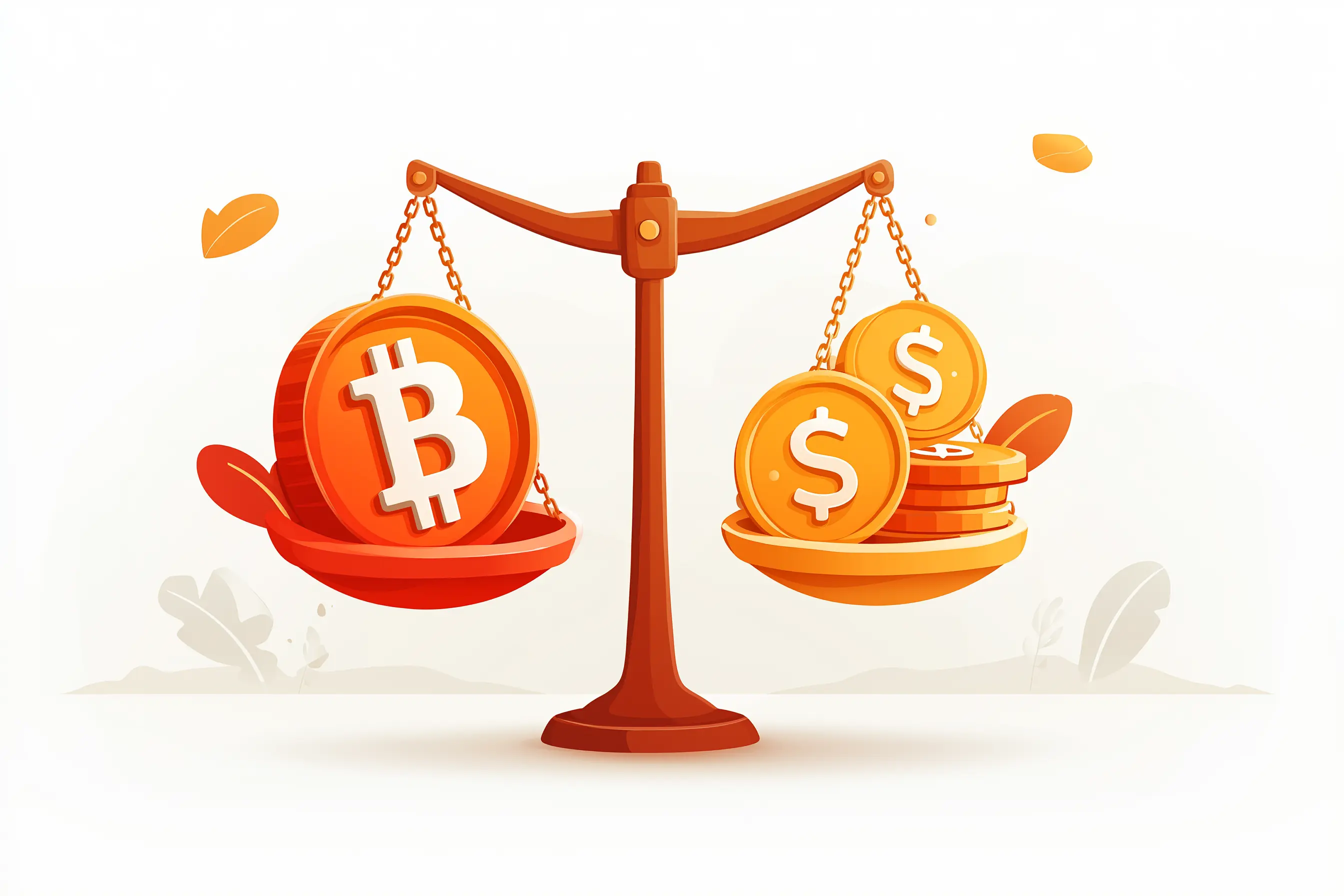
Comparing Satoshis to Other Currency Units
Understanding satoshis becomes easier when you compare them to familiar money concepts.
Currency | Smallest Unit | Units per Base | Decimal Places |
US Dollar | Cent | 100 | 2 |
Euro | Euro cent | 100 | 2 |
British Pound | Penny | 100 | 2 |
Bitcoin | Satoshi | 100,000,000 | 8 |
Key differences from fiat:
A cent is 1/100th of a dollar; a sat is 1/100,000,000th of a bitcoin
A penny represents multiple cents in purchasing power compared to a sat
Sats offer far greater precision for smaller transactions
No central bank controls satoshi issuance or supply
Compared to other cryptocurrencies:
Ethereum uses “wei” as its smallest unit (10^18 per ETH)—even more granular than sats
However, Bitcoin satoshis benefit from the network’s superior security and adoption
Most other denominations in crypto serve similar purposes: enabling fractional ownership and precise transfers
The crucial difference from all fiat currencies: satoshis exist only as entries on a decentralized ledger secured by cryptography and global consensus, not by government decree or bank databases.
As Bitcoin’s price rises, quoting amounts in sats rather than BTC becomes increasingly practical. Saying “that costs 50,000 sats” is clearer than “that costs 0.0005 BTC.”
Other Bitcoin Denominations (Beyond Satoshis)
While satoshis are the base unit, the Bitcoin community uses several informal denominations to make different scales of value easier to discuss.
Common Bitcoin denominations:
Name | Abbreviation | BTC Value | Satoshi Value |
Bitcoin | BTC | 1 | 100,000,000 |
Centi-bitcoin | cBTC | 0.01 | 1,000,000 |
Milli-bitcoin | mBTC | 0.001 | 100,000 |
Micro-bitcoin | μBTC/bits | 0.000001 | 100 |
Satoshi | sat | 0.00000001 | 1 |
Quick conversion examples:
1,000,000 sats = 0.01 BTC (one centi-bitcoin)
100,000 sats = 0.001 BTC (one milli-bitcoin or one millionth of a bitcoin in common parlance)
10,000 sats = 0.0001 BTC
1,000 sats = 0.00001 BTC
These other denominations help people reason about different value scales—“I’ll send you a milli” sounds more natural than “I’ll send you 0.001 BTC.”
However, the protocol itself only counts in satoshis. All other denominations are human conventions for convenience. A sat is the smallest indivisible unit the Bitcoin network recognizes.
Frequently Asked Questions About Satoshis
How many satoshis are in 1 BTC? Exactly 100,000,000 satoshis equal one bitcoin. This ratio is fixed in the protocol and cannot change without a fundamental alteration to Bitcoin’s code.
Can I send half a satoshi? No. On the base layer, 1 satoshi is the smallest possible unit you can send or own. Some Lightning implementations may track fractional sats internally for routing purposes, but you cannot settle less than 1 sat.
Will the number of sats per BTC ever change? It’s theoretically possible through a soft fork to add more decimal places, but there’s currently no serious proposal to do so. The 100 million sats per BTC structure has remained unchanged since Bitcoin’s launch.
What are Satoshi Nakamoto’s holdings worth in sats? Estimates suggest Satoshi Nakamoto mined approximately 1 million BTC in Bitcoin’s early days. That would equal 100,000,000,000,000 sats (100 trillion satoshis). These coins have never moved, adding to the mystery of Bitcoin’s creator.
Why do people say “stacking sats”? “Stacking sats” refers to accumulating satoshis over time through regular purchases or earnings. The phrase emphasizes that you don’t need to buy a whole bitcoin—consistently acquiring small amounts builds meaningful holdings over time.
Summary: Why Satoshis Matter
Understanding satoshis is essential for anyone using or investing in Bitcoin. Here’s what we’ve covered:
A satoshi is the smallest unit of Bitcoin, with exactly 100 million sats making up each BTC
The name honors Satoshi Nakamoto, Bitcoin’s pseudonymous creator who designed this divisibility from the start
Sats enable practical use for everyday transactions, micropayments, and global adoption
The Lightning Network makes sat-denominated microtransactions fast and nearly free
As Bitcoin’s value grows, thinking in sats becomes increasingly natural and useful
Key takeaways:
1 BTC = 100,000,000 sats (one hundred millionth of a bitcoin per sat)
Satoshis offer more divisibility than any fiat currency
You don’t need a whole bitcoin to participate—any amount of sats gets you started
Modern wallets make switching between BTC and sat display seamless
As Bitcoin continues to mature and potentially appreciate, satoshis will likely become the standard way people think about and transact in Bitcoin. Just as you don’t typically say “0.01 dollars” when you mean “one cent,” future Bitcoin users may default to sat-denominated thinking.
If you’re planning to use Bitcoin regularly—whether for saving, spending, or building applications—getting comfortable with satoshis now puts you ahead of the curve. Start stacking sats, explore Lightning wallets for micropayments, and watch as this small fraction of a bitcoin becomes the language of a new financial system.